The short answer
It is built on chiso, a word that originally meant running about: before convenience, hosts literally ran to gather food for a guest, and the phrase became thanks for that unseen effort. Paired with “itadakimasu” it closes the meal — one thanks the life received, the other the labor spent.
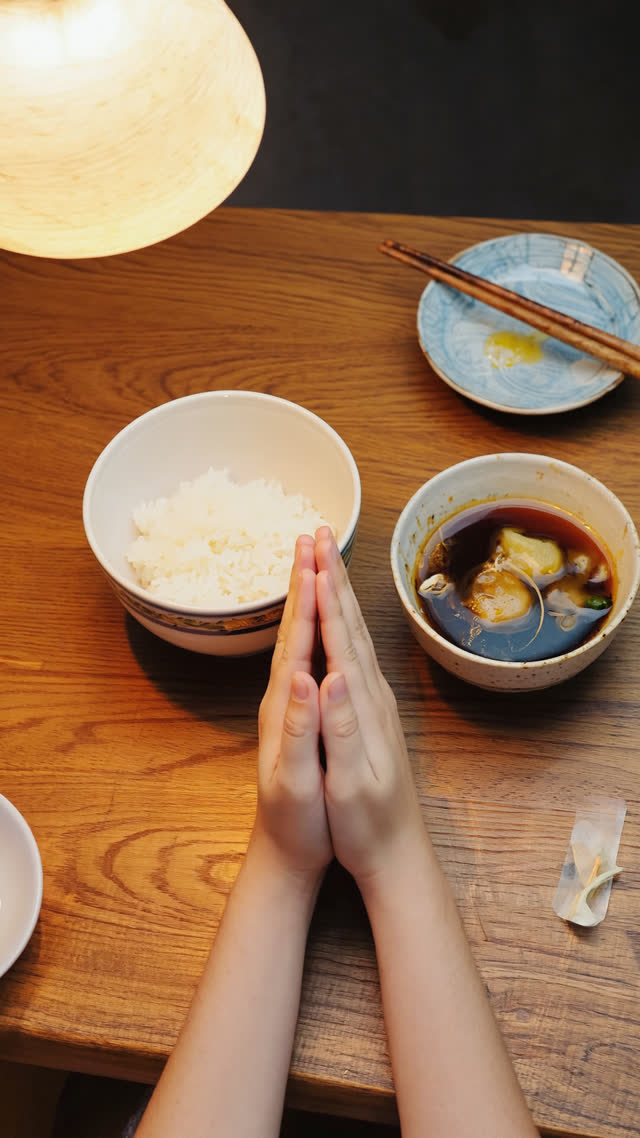
Gochisosama Means 'They Ran'
Japan's after-meal phrase contains a hidden sprint.
'Gochisosama' is built on chiso, a word that originally meant running about. Before convenience, hosts literally ran to gather food for a guest, and the phrase became thanks for that unseen effort. Paired with 'itadakimasu', it closes the meal: one thanks the life received, the other the labor spent.
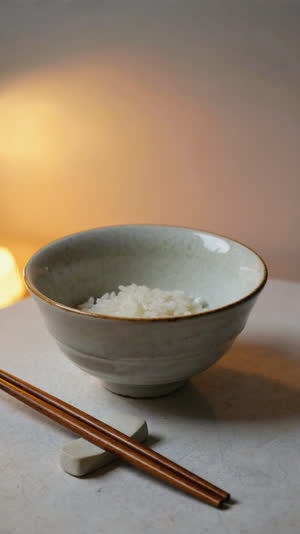
The word that thanks a runner
Japan ends meals thanking a runner.
Nobody in the room has run anywhere. The phrase preserves a situation that has not applied for a long time, which is what makes its literal sense worth digging out.
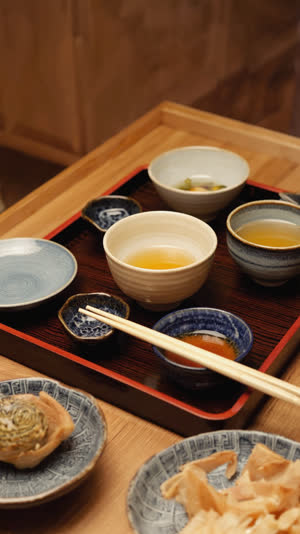
Gochisosama deshita
Finish eating, and you say it: gochisosama deshita.
It closes the meal the way the opening word begins it, and it is said to whoever fed you — a host, a cook, the counter staff. Said walking out of a shop, it still lands.
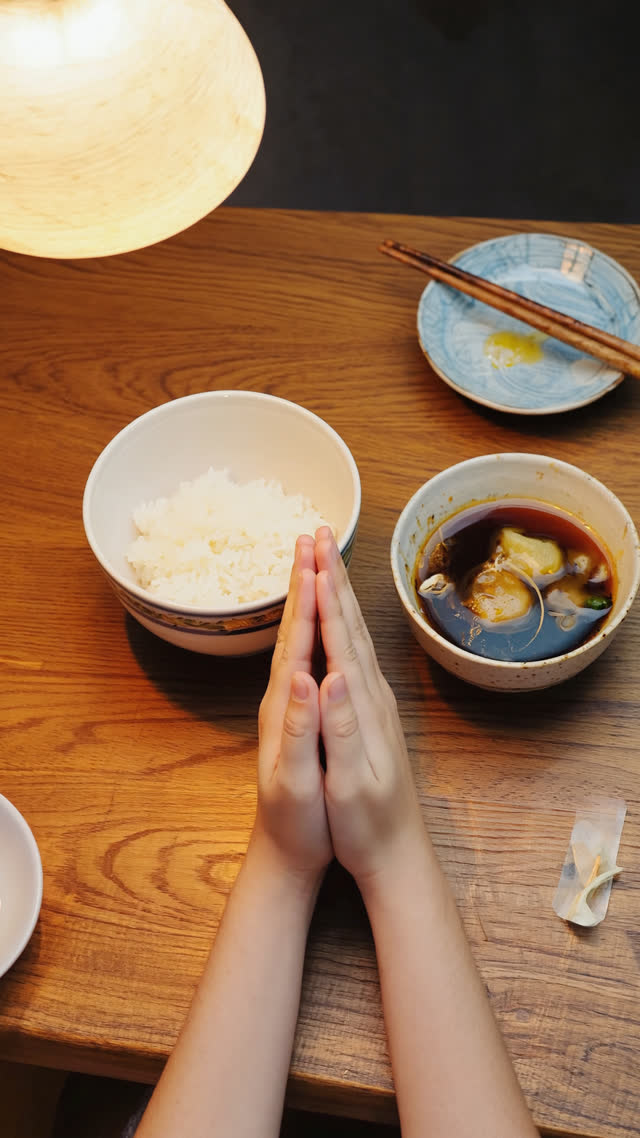
Palms together, small bow
Palms together, a small bow — the meal closes.
The same gesture as the opening, in reverse. Between them the two phrases bracket the meal, which is why they are usually learned as a pair rather than separately.
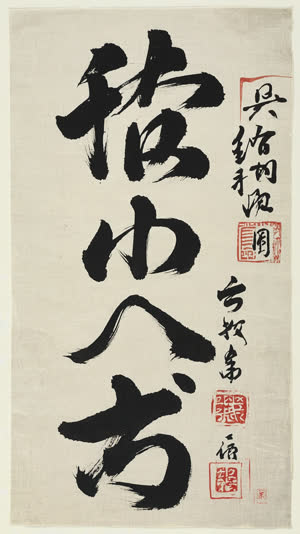
Chiso: 'running about'
Inside the word is chiso — literally, 'running about.'
Chiso is written with characters meaning to gallop and to run. The polite prefix and ending wrap around that core, so the whole phrase is built on the image of someone hurrying on your behalf.
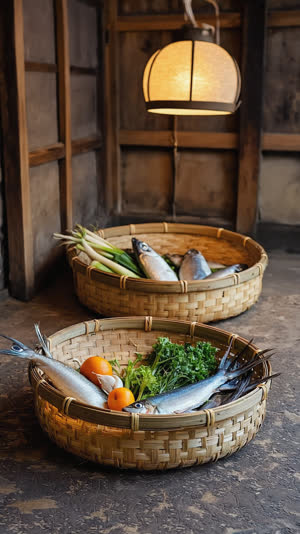
Hosts ran for guests
Japan's farm ministry traces it: hosts literally ran for guests.
Before shops and refrigeration, feeding a guest properly meant going out to obtain the food. The running was the cost of hospitality, and it was invisible by the time anything reached the table.
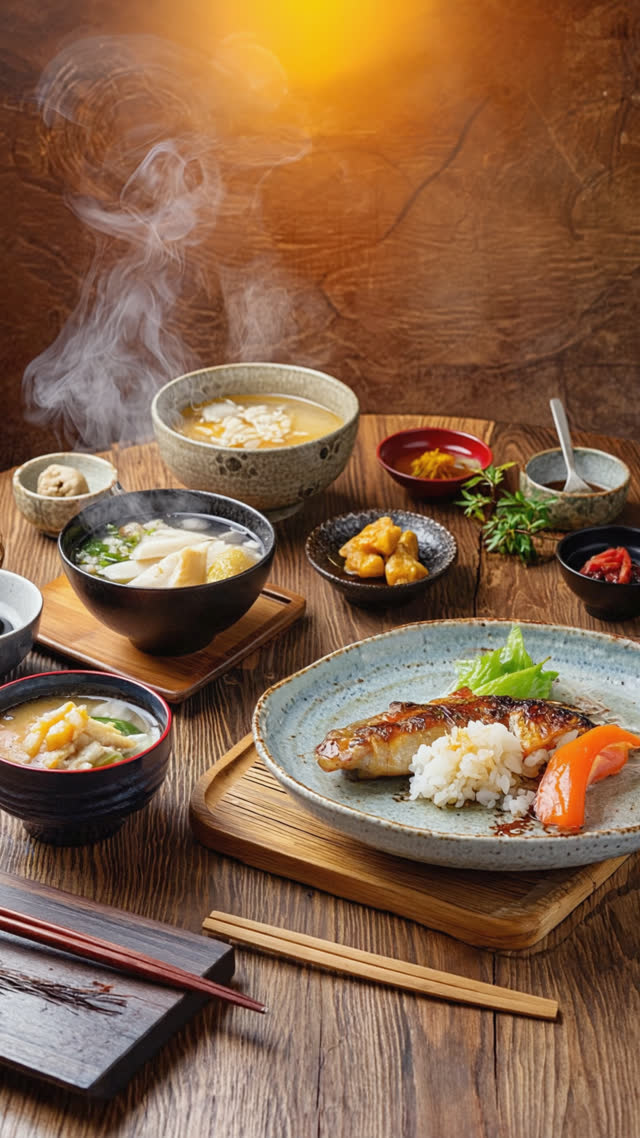
Thanks for the running
Gochisosama means: thank you for all that running.
So the phrase does not thank anyone for the taste. It thanks them for effort that took place before the meal existed, which is a different thing to be grateful for.

Gratitude, made audible
This whole series, in one word — gratitude, made audible.
Every manner in this series has been gratitude given a physical form: a position on the tray, a way of holding a bowl, a gesture avoided. This one is the version you can hear.
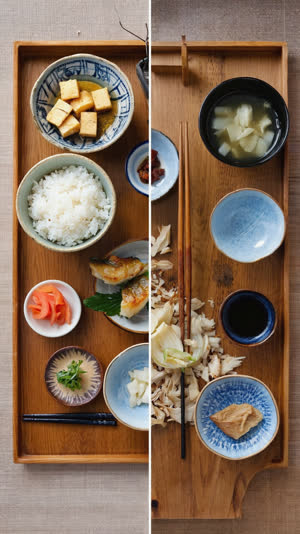
One thanks life, one thanks labor
It bookends itadakimasu: one thanks life, one thanks labor.
Together the two phrases cover both halves of what a meal costs. The opening word addresses what died or was grown; the closing one addresses who went and got it.
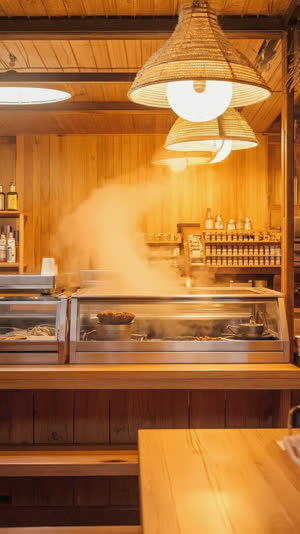
The kitchen answers back
Say it leaving any restaurant in Japan — kitchens answer back.
It works at a counter, a canteen or a family restaurant. Nothing about the phrase depends on the place being expensive, because what it thanks is the going and the getting.
The thread through Washoku
Japanese table manners are not etiquette. They are gratitude, made physical.
None of it was rules — only gratitude, made visible. Come to Japan and live it, oshibori to gochisosama.
Japanese terms in this story
Sources — primary only
Original Japanese source note
「馳走」は本来走り回る意・客のため食材調達に奔走した労への感謝が由来(農林水産省・国会図書館レファレンス事例)