Series · Everyday Life · 8 of 8
Japan's public bathhouses, and what they were really for
Japan built its neighborhoods in the bath.
A room where strangers undress and share hot water sounds like the least sociable place imaginable. In Japan it was the center of the neighborhood.
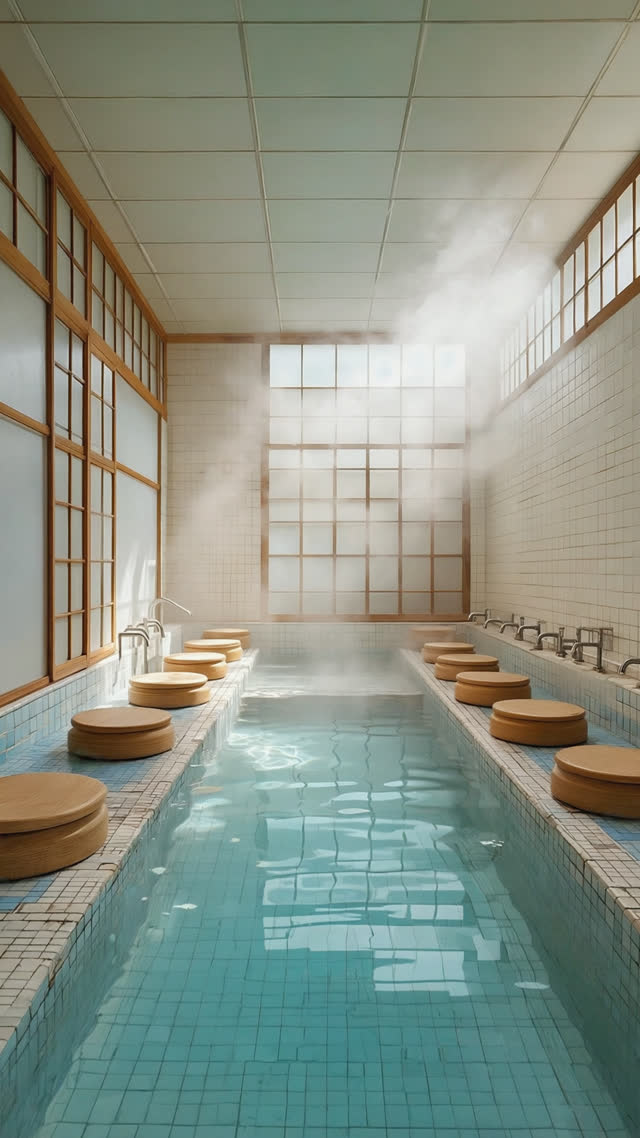
The sento made sense because most homes in Edo, and well into the twentieth century, had no bath of their own. The bathhouse was where the town met, and everything inside it — the painted wall, the attendant's high seat, the yellow bucket, the bottle of milk on the way out — grew out of daily use rather than out of design.
Across eight parts we read the room: why Mount Fuji is on the wall and who it was painted for, what the raised booth by the door was doing, why the most famous bath bucket in Japan is an advertisement for a painkiller, how the curtain at the entrance tells you whether the bath is open, the two rules you follow before getting in, and why there is a fridge full of milk.
The numbers frame the story: 17,999 bathhouses at the 1968 peak, about 2,847 facilities today. The last part is about the people trying to stop that number falling.
-
01
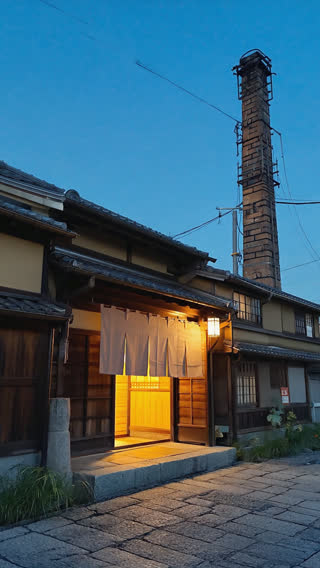 What is a sento, and why did it matter so much?
17,999 to 2,847: Sento Story
Read →
What is a sento, and why did it matter so much?
17,999 to 2,847: Sento Story
Read →
-
02
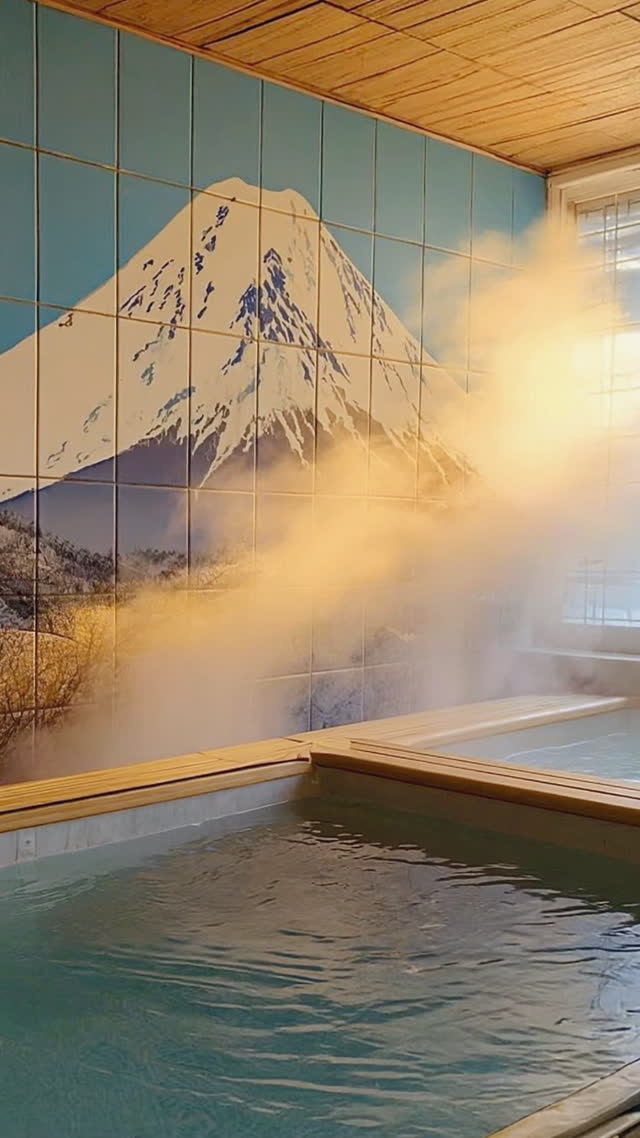
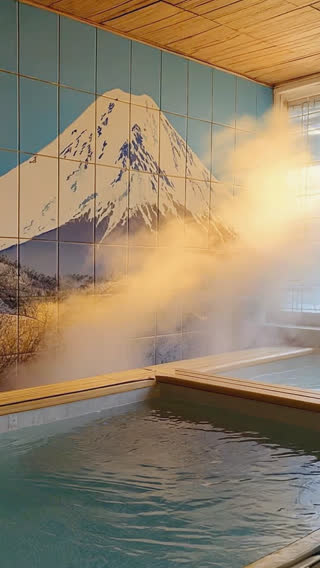 Why is Mount Fuji painted on Japanese bathhouse walls?
Why Mt. Fuji Is on the Wall
Read →
Why is Mount Fuji painted on Japanese bathhouse walls?
Why Mt. Fuji Is on the Wall
Read →
-
03
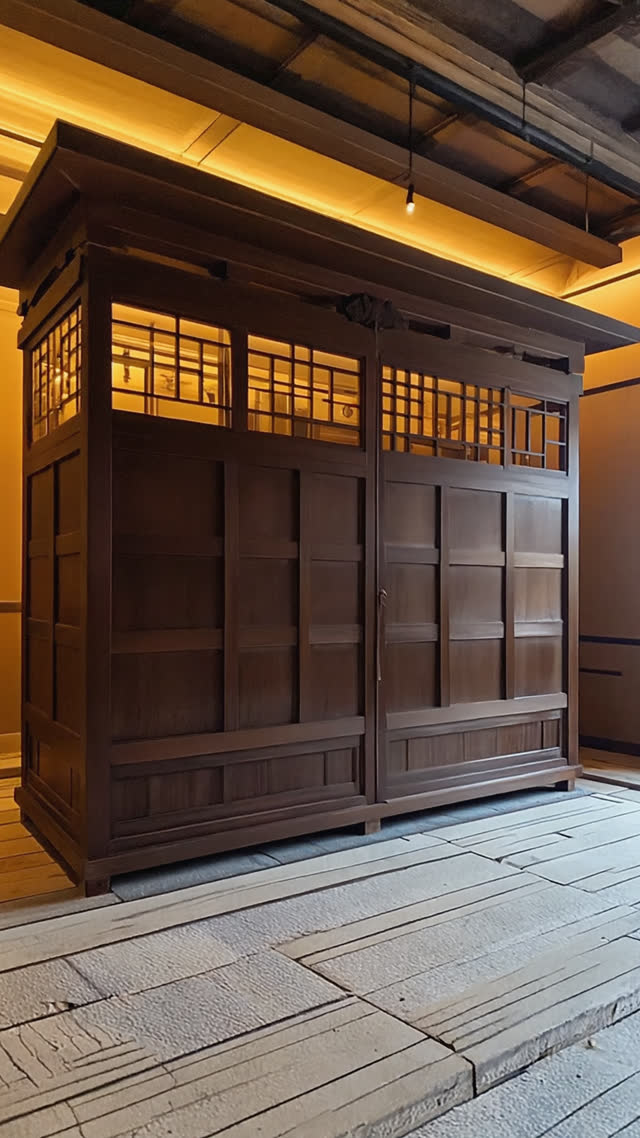
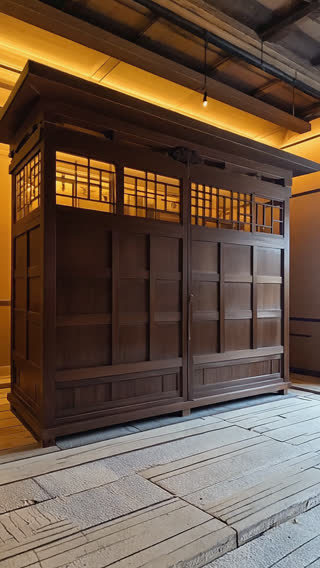 What is the bandai in a Japanese bathhouse?
The Seat That Watches It All
Read →
What is the bandai in a Japanese bathhouse?
The Seat That Watches It All
Read →
-
04
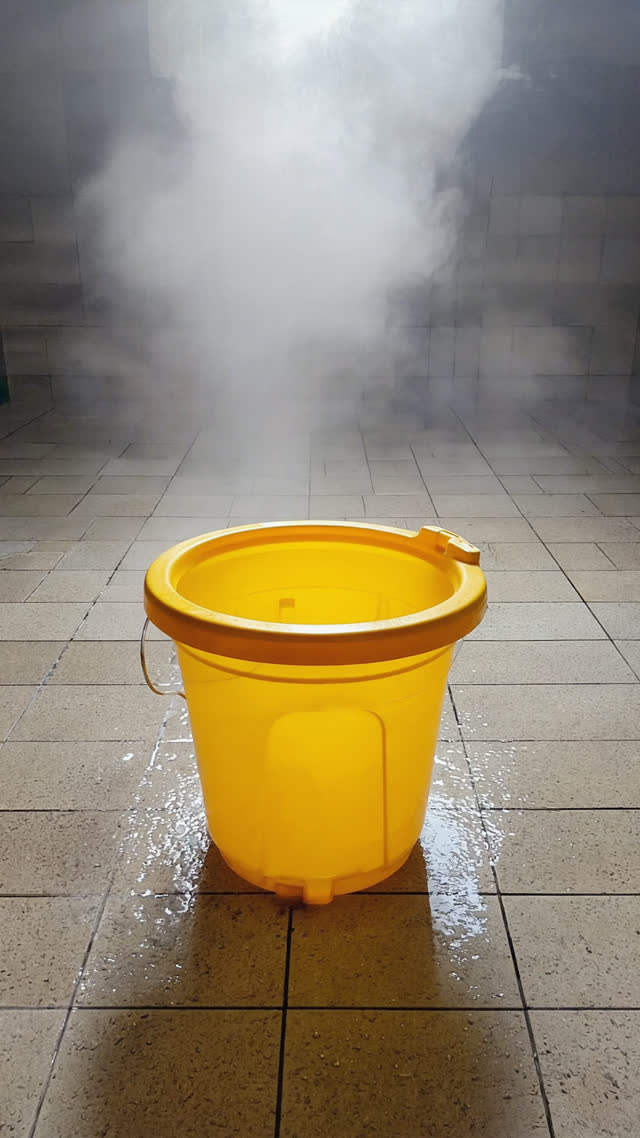
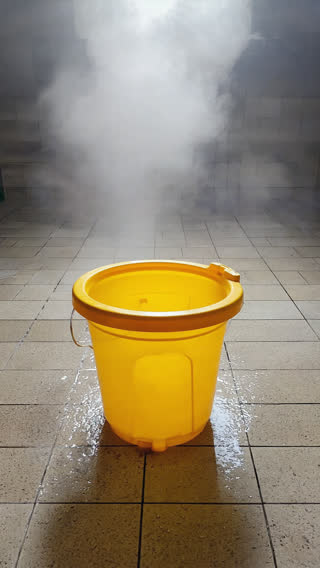 Why is Japan's yellow bath bucket called Kerorin?
The Yellow Bucket Was an Ad
Read →
Why is Japan's yellow bath bucket called Kerorin?
The Yellow Bucket Was an Ad
Read →
-
05
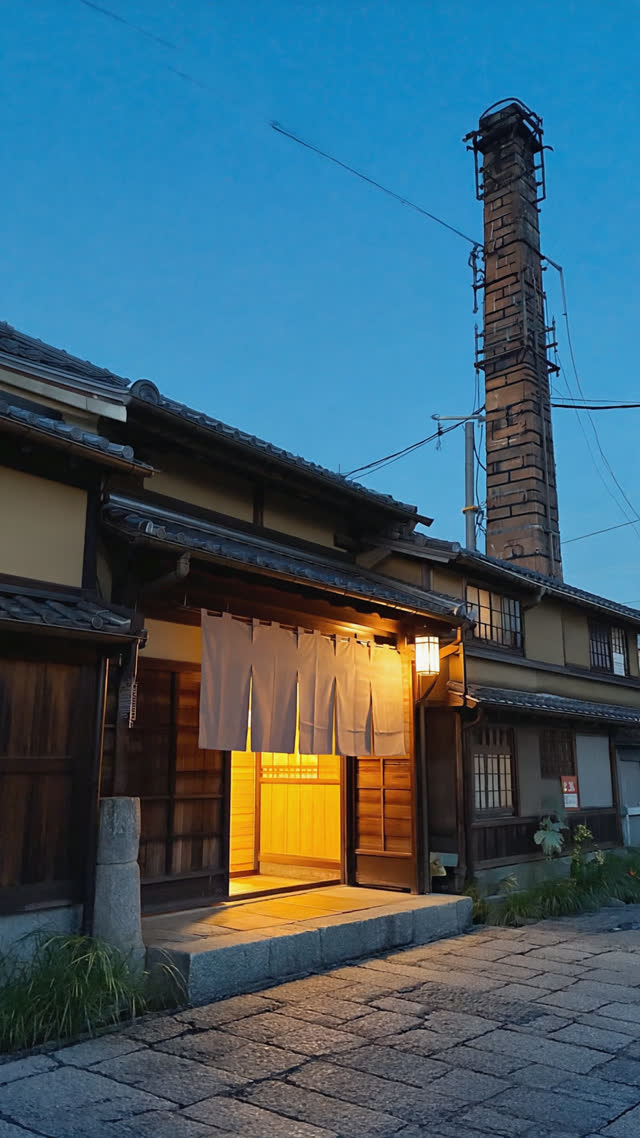
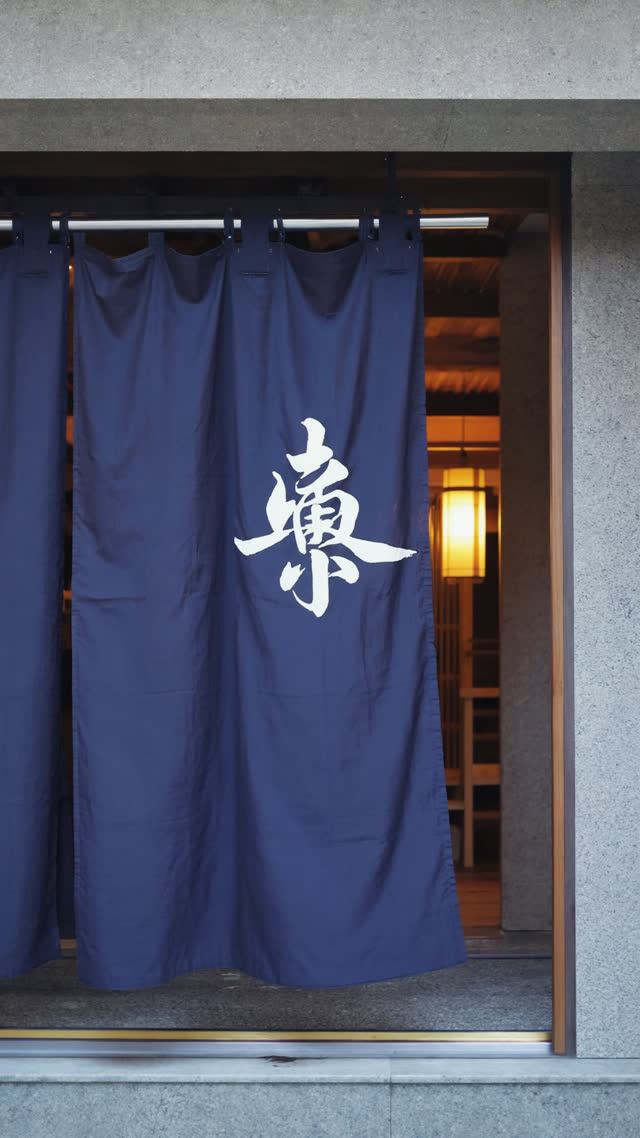
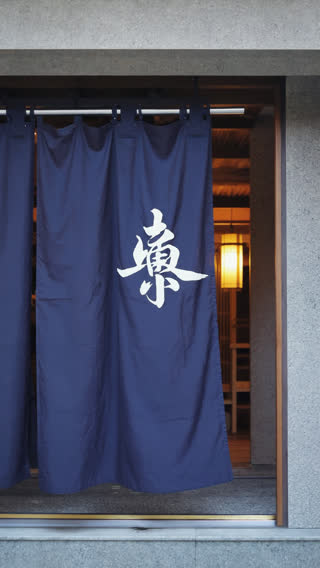 How do you know if a Japanese bathhouse is open?
One Curtain Says It All
Read →
How do you know if a Japanese bathhouse is open?
One Curtain Says It All
Read →
-
06
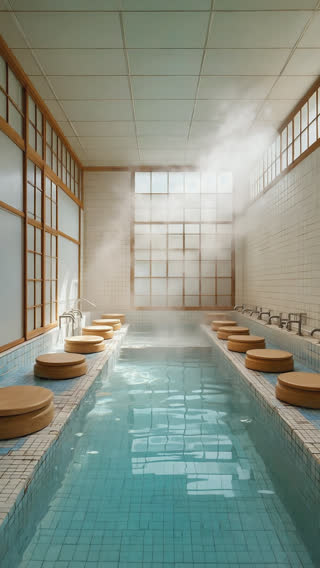 What are the rules before you get into a Japanese public bath?
Two Rules Before You Soak
Read →
What are the rules before you get into a Japanese public bath?
Two Rules Before You Soak
Read →
-
07
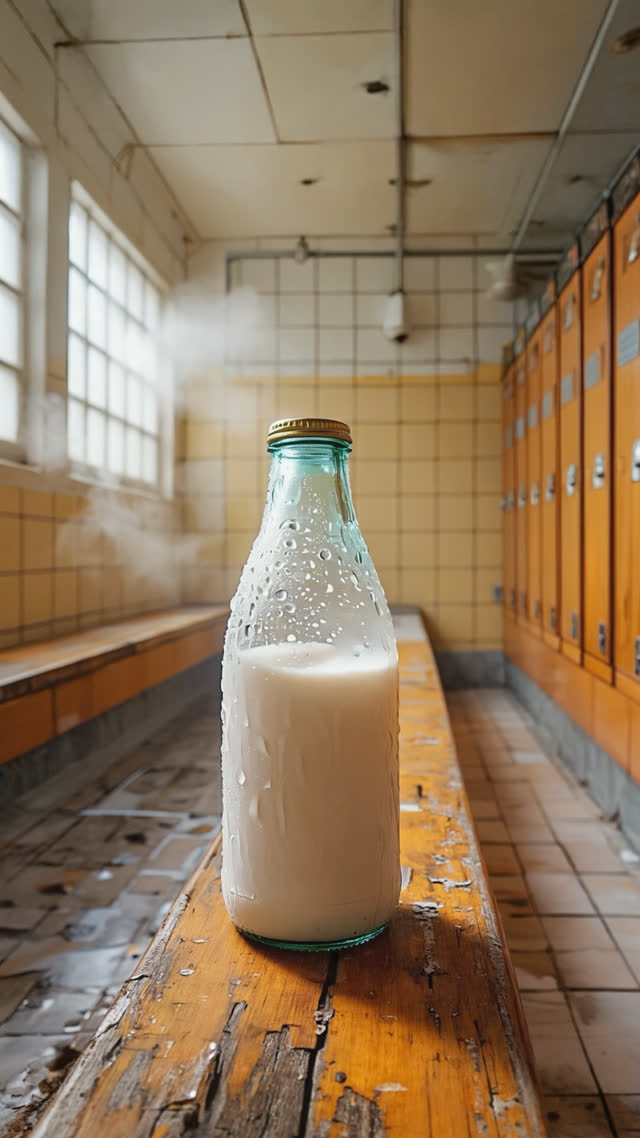
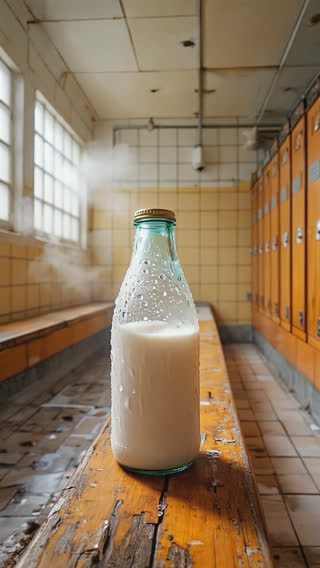 Why do people drink milk after a bath in Japan?
Why Milk After the Bath?
Read →
Why do people drink milk after a bath in Japan?
Why Milk After the Bath?
Read →
-
08
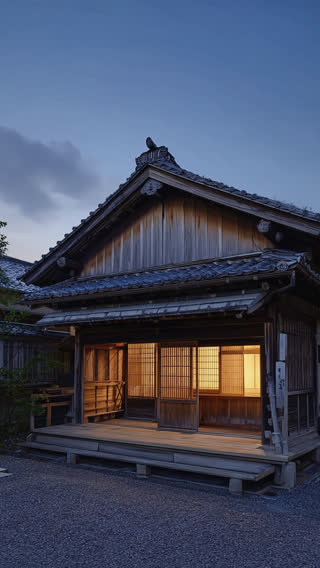 Are Japan's sento disappearing?
2,847 Left — Who Saves Them?
Read →
Are Japan's sento disappearing?
2,847 Left — Who Saves Them?
Read →
8 questions, each answered in one short and one article, and each traced to a primary source you can check yourself.
- What is a sento, and why did it matter so much?
- A sento is Japan's public bathhouse, and in Edo, when most homes had no bath of their own, it doubled as the town's living room. Read →
- Why is Mount Fuji painted on Japanese bathhouse walls?
- It began as a gift for children. Read →
- What is the bandai in a Japanese bathhouse?
- The bandai is the raised attendant's booth by the entrance, where fees are collected and the changing room is kept safe. Read →
- Why is Japan's yellow bath bucket called Kerorin?
- Because it was an advertisement. Read →
- How do you know if a Japanese bathhouse is open?
- The noren tells you. Read →
- What are the rules before you get into a Japanese public bath?
- Two, straight from the Tokyo Sento Association's official etiquette guide: rinse your body with kakeyu before entering the tub, and never let your towel touch the shared bathwater. Read →
- Why do people drink milk after a bath in Japan?
- Because the bathhouse had the refrigerator. Read →
- Are Japan's sento disappearing?
- Numbers keep falling — about 2,847 facilities remain — and aging buildings struggle. Read →
Every part of this series ends somewhere you can actually stand. Here they are together.
- When you visit Japan, duck under the noren and feel that neighborhood warmth for yourself.What is a sento, and why did it matter so much?
- On your Japan trip, find a sento with a painted Fuji and soak beneath the mountain.Why is Mount Fuji painted on Japanese bathhouse walls?
- When you visit a sento in Japan, look for the old wooden seat by the door.What is the bandai in a Japanese bathhouse?
- Next time you bathe in Japan, pick up the yellow bucket — you are holding sixty years of history.Why is Japan's yellow bath bucket called Kerorin?
- In Japan, spot a "yu" noren down the street, duck under it, and walk straight into bath time. Note: we cover only the custom itself — popular origin stories remain unverified.How do you know if a Japanese bathhouse is open?
- Master these two moves, and every bathhouse in Japan will feel like it was waiting for you.What are the rules before you get into a Japanese public bath?
- After your first sento in Japan, do it properly: one cold bottle, straight from the lobby fridge.Why do people drink milk after a bath in Japan?
- Now you know the story. Visit a real sento in Japan — every wall, bucket and bottle will mean something.Are Japan's sento disappearing?
Japanese terms in this collection
Each term is defined on the glossary from the story that uses it.
Sources behind these stories