The short answer
A sento is Japan's public bathhouse, and in Edo, when most homes had no bath of their own, it doubled as the town's living room. The numbers trace its arc: 17,999 bathhouses at the 1968 peak, and about 2,847 facilities remaining today.
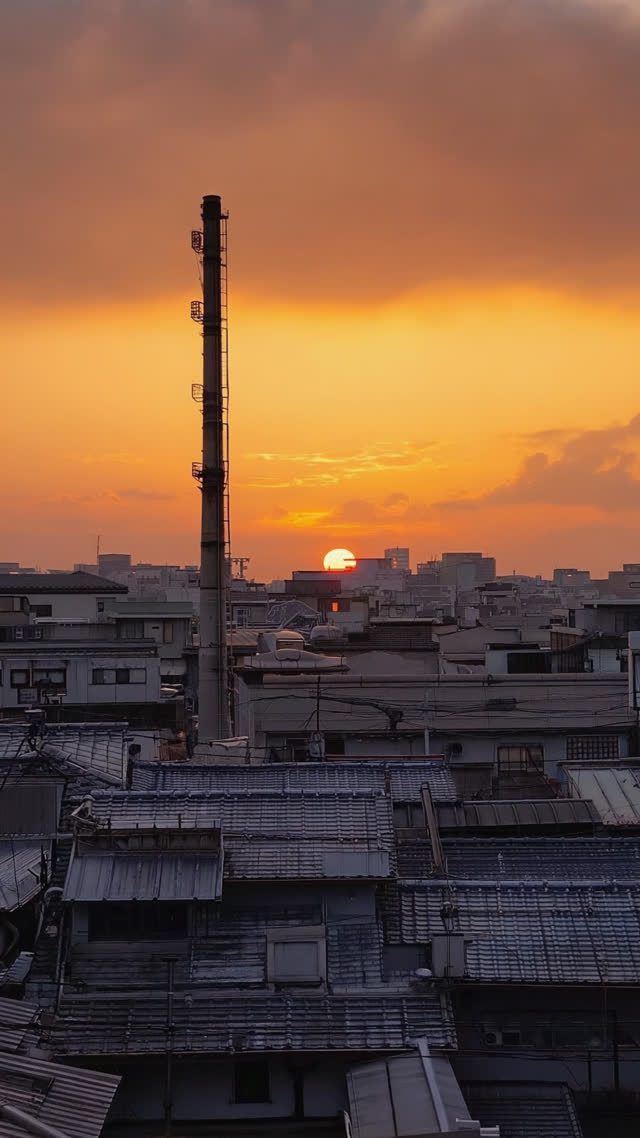
17,999 to 2,847: Sento Story
Why did a place where strangers bathe together become the heart of Japanese neighborhoods?
This short traces the sento, Japan's public bathhouse, back to Edo, when most homes had no bath of their own and the bathhouse doubled as the town's living room. It also follows the numbers: 17,999 bathhouses at the 1968 peak, and about 2,847 facilities remaining today.
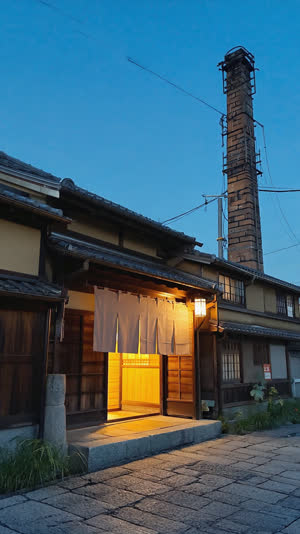
Japan's naked social club
Japan once had a place where the whole town undressed together.
The phrase sounds like a curiosity, but it describes infrastructure. For most of Japanese urban history the bath was a public utility rather than a private fixture.
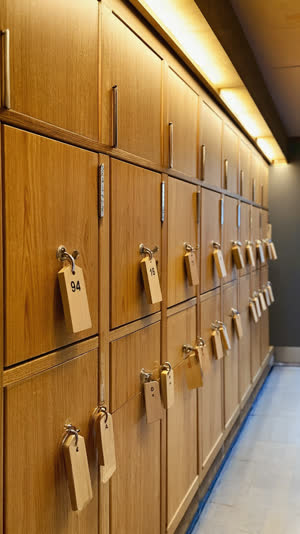
This is the sento
This is the sento — the public bathhouse of Japan.
Sento means a bath you pay for, which is what distinguishes it from a hot spring. The water is ordinary water, heated — the appeal was never the source but that somebody else had already boiled it.
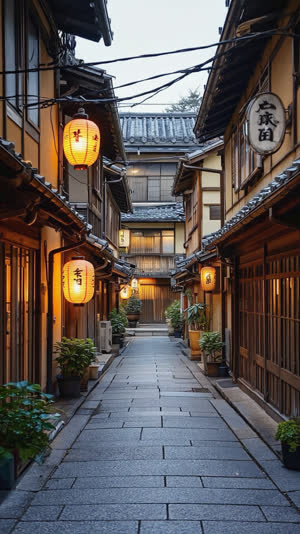
Homes had no bath
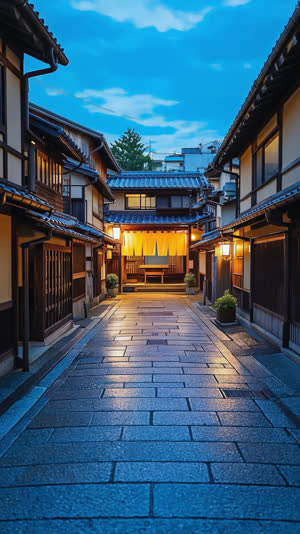
In Edo times, most homes had no bath at all.
A private bath needed space, fuel and a water supply, none of which a row house in Edo had. The bathhouse existed because the alternative was not bathing.
Everyone went daily
So everyone walked to the bathhouse — daily, and together.
Daily is the part that made it social. A place you visit every evening with the same neighbors becomes something other than a facility, whatever it was built as.
The town's living room
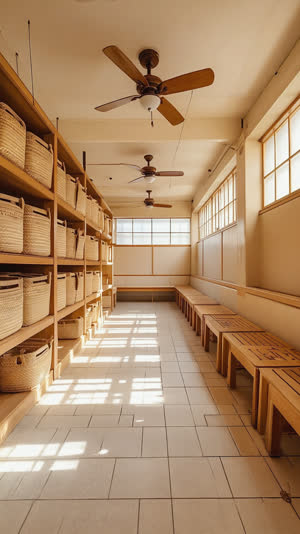
It became the town's living room — news, gossip, friendship.
The Tokyo Sento Association describes the Edo bathhouse in those terms. That framing is the thesis of this series: the room was a social institution first and a place to wash second.
1968 peak: 17,999 baths
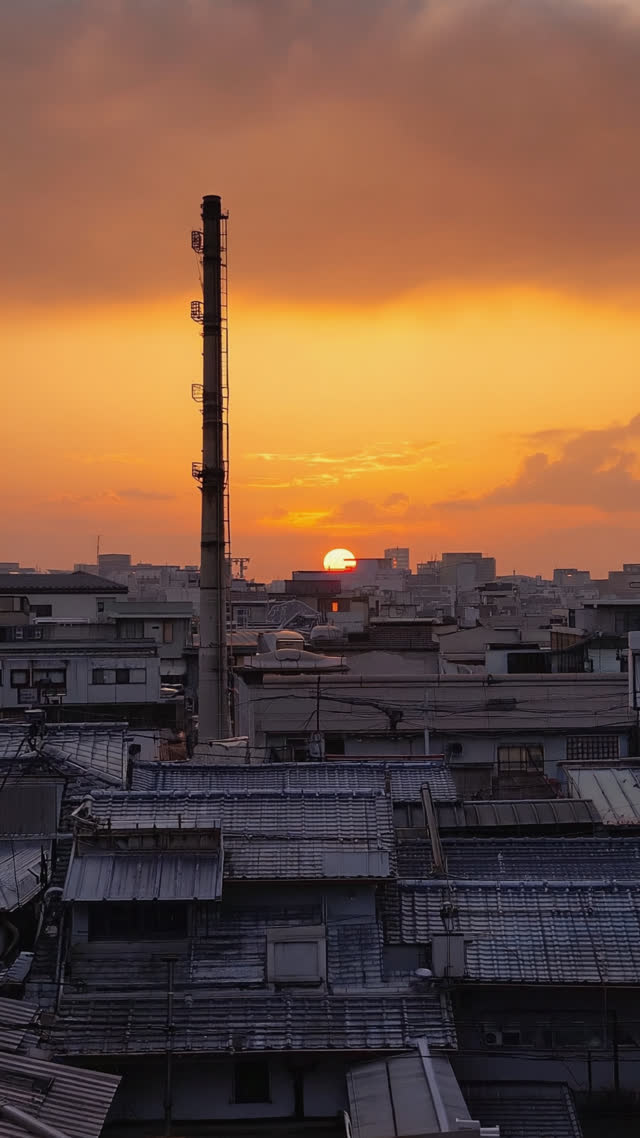
At the 1968 peak, Japan counted seventeen thousand nine hundred ninety-nine sento.
The peak arrives late, which is the surprise in the figure. Bathhouse numbers were still climbing through the post-war decades, which suggests private baths were not yet the norm at that point.
Today only 2,847 remain
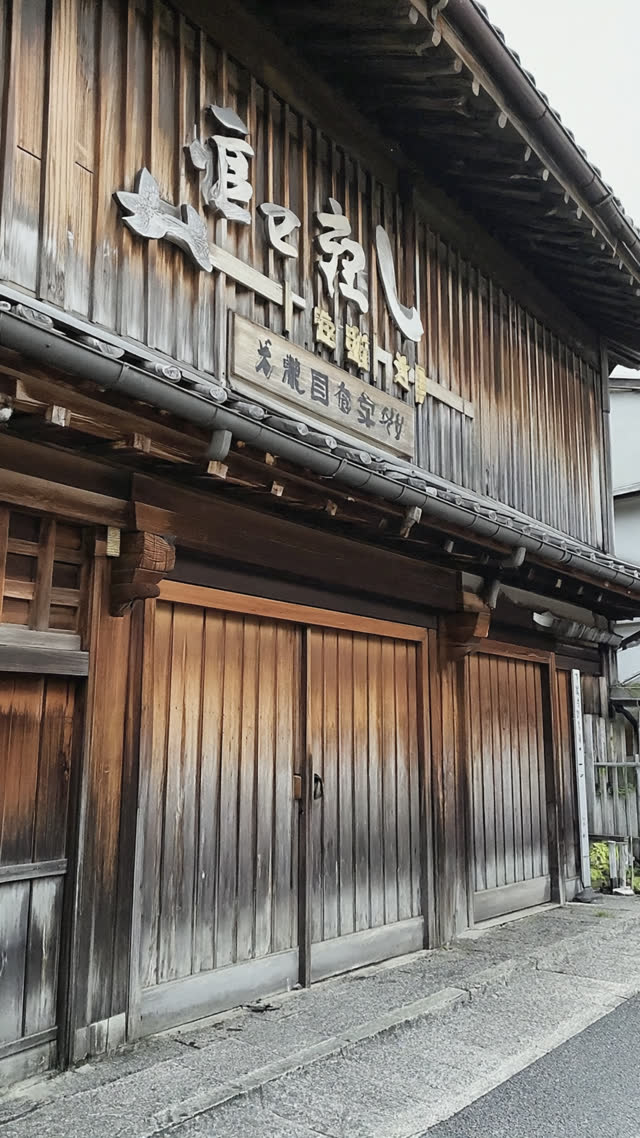
Today, only about two thousand eight hundred forty-seven remain nationwide.
The fall tracks the arrival of the home bath rather than a loss of interest. Once the utility was solved privately, the social function had to justify the building on its own.
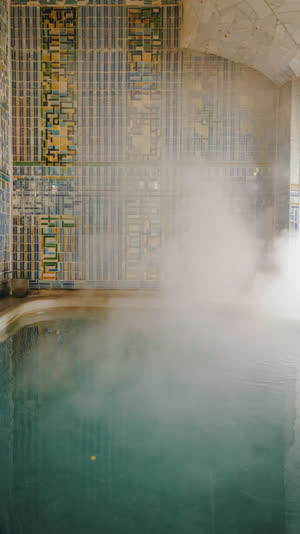
Still the town's gathering
Yet stepping inside still feels like joining the neighborhood.
What remains is the part that was never the point on paper. The surviving bathhouses are used by people who have a bath at home, which means they are going for the room.
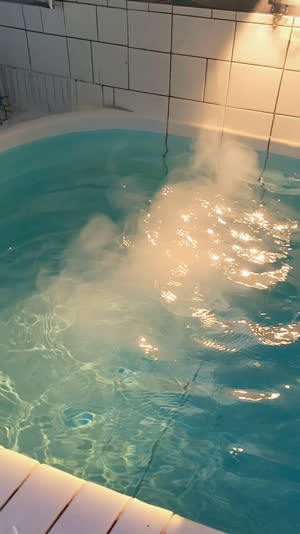
One bath, shared by all
One coin, one bath, and the whole town for company.
Entry is a single small fee, so cost is not what stops a visitor. What stops them is not knowing what to do, and the rest of this series takes that apart.
The thread through Sento
Japan built its neighborhoods in the bath.
But why is Mount Fuji painted on the wall? Next time.
Japanese terms in this story
Sources — primary only
Original Japanese source note
東京都浴場組合の歴史解説で江戸の銭湯は庶民の社交場と確認・ピーク1968年1万7999軒→令和5年度末2847施設(東京都浴場組合・厚生労働省・全浴連)