Series · Craft · 8 of 8
How a katana is made — and why Japan still makes them
Japan stopped needing swords. It never stopped perfecting them.
Japan has not needed a sword for anything but ceremony in well over a century. It still licenses the people who make them, still fires the one furnace that produces their steel, and still counts the days a single blade takes.
That is the strange fact this series follows. A katana today is not a weapon in the eyes of Japanese law — it is a registered work of art, and the person allowed to forge one has served years of apprenticeship and passed a program approved by the Agency for Cultural Affairs. The pace is set by the work, not by demand.
Across eight parts we go from the ore to the polish: where the steel comes from and why only one place still makes it, what folding actually does to metal, why the wavy line along the edge is a border between two different steels rather than a pattern, and who finishes the blade after the smith puts down the hammer. Then we follow the same skill into a kitchen knife, and into places where you can stand and watch it happen.
Read them in order and the sequence builds an argument. Read any one and it stands alone.
-
01
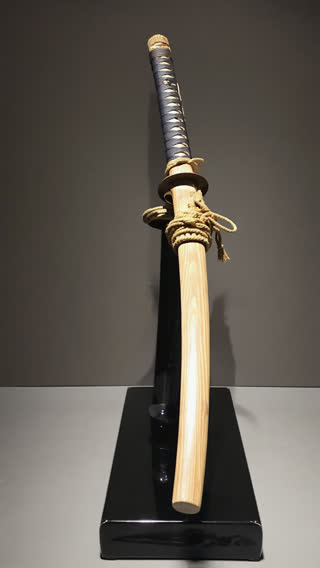 Why does Japan still make katana?
Why Japan Still Makes Swords
Read →
Why does Japan still make katana?
Why Japan Still Makes Swords
Read →
-
02
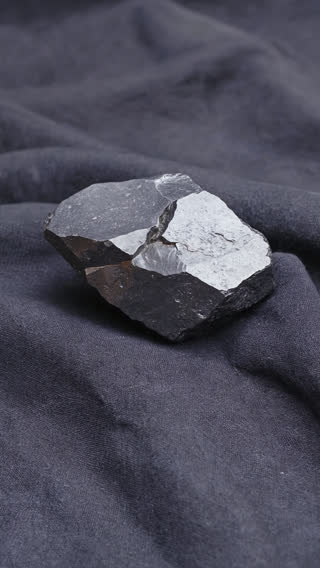 Where does katana steel come from?
Katana Steel: One Place Only
Read →
Where does katana steel come from?
Katana Steel: One Place Only
Read →
-
03
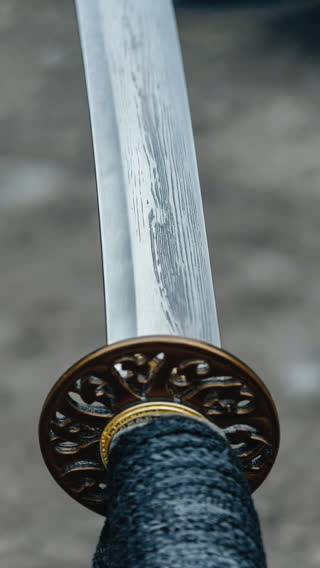 How many layers of steel are in a katana?
Fold 15 Times: 33,000 Layers
Read →
How many layers of steel are in a katana?
Fold 15 Times: 33,000 Layers
Read →
-
04
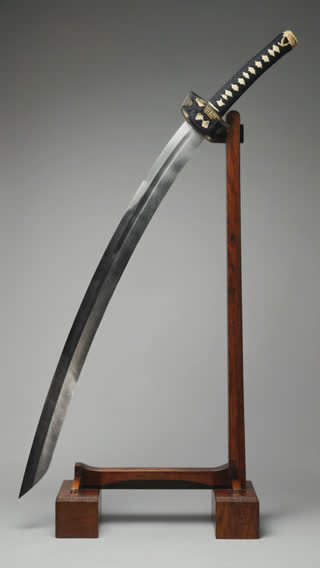 What is the hamon on a katana?
Born at 800°C: The Hamon
Read →
What is the hamon on a katana?
Born at 800°C: The Hamon
Read →
-
05
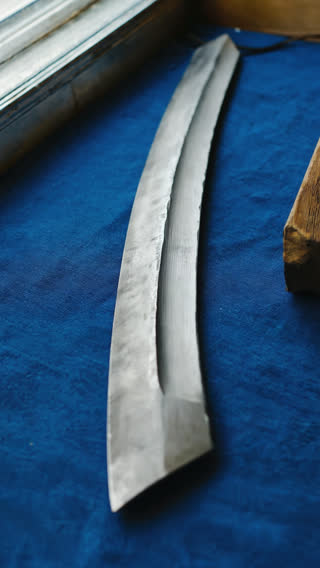 Who finishes a katana?
Who Really Finishes a Katana
Read →
Who finishes a katana?
Who Really Finishes a Katana
Read →
-
06
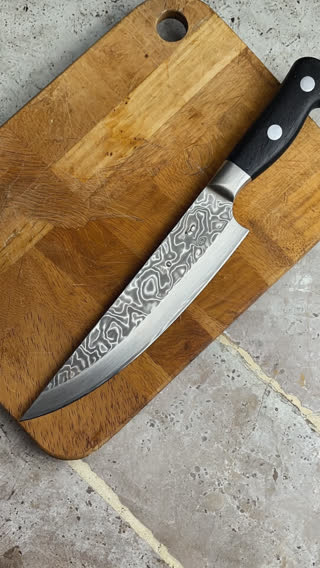 Why is Seki in Gifu the knife capital of Japan?
Sword Town, Knife Capital
Read →
Why is Seki in Gifu the knife capital of Japan?
Sword Town, Knife Capital
Read →
-
07
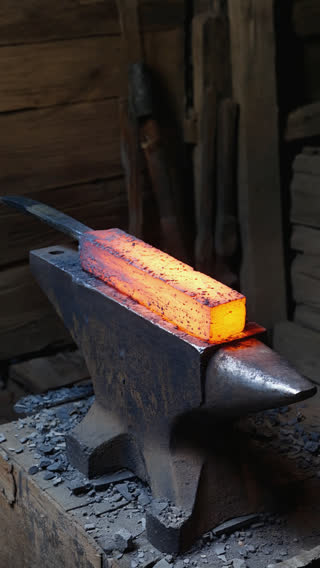 Where can you watch a katana being forged?
Swords Are Still Born Here
Read →
Where can you watch a katana being forged?
Swords Are Still Born Here
Read →
-
08
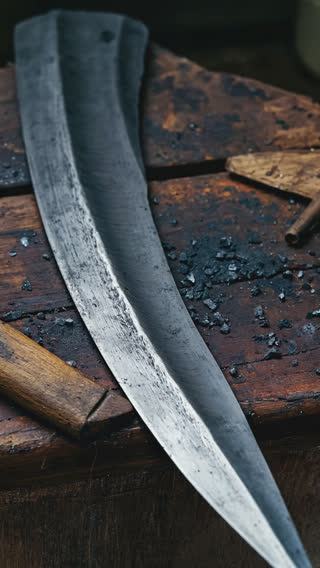 How many crafts does it take to finish a katana?
One Katana, Seven Masters
Read →
How many crafts does it take to finish a katana?
One Katana, Seven Masters
Read →
8 questions, each answered in one short and one article, and each traced to a primary source you can check yourself.
- Why does Japan still make katana?
- Because the blade is now legally a work of art: under Japanese law each new sword is registered through education boards as art. Read →
- Where does katana steel come from?
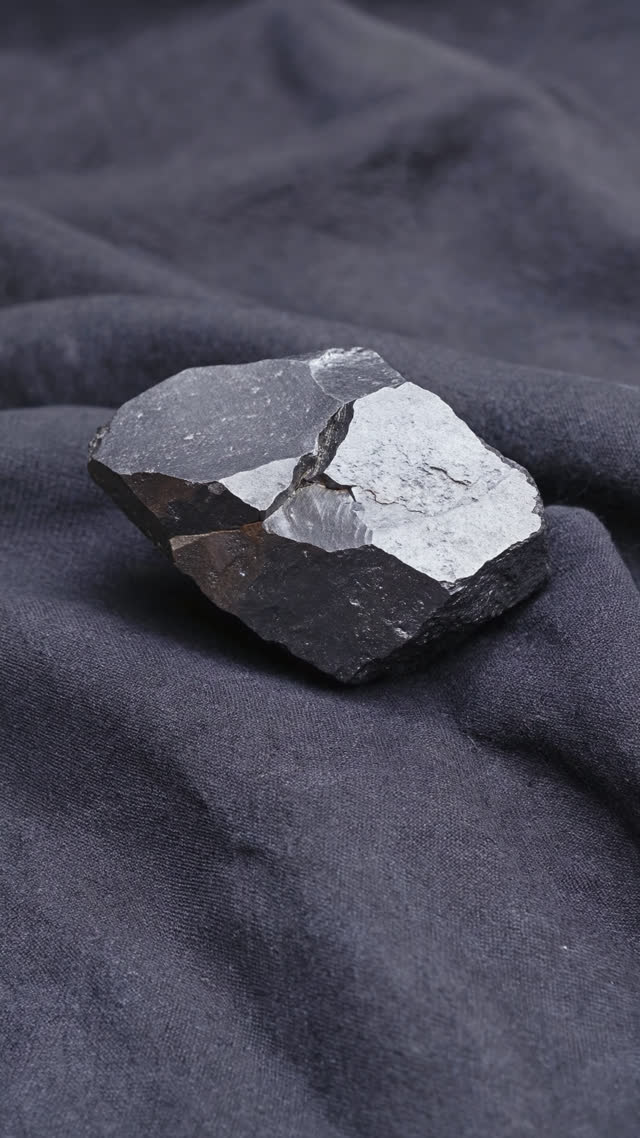
- Tamahagane, “jewel steel”, is born only from tatara smelting, and the last such furnace is the Nittoho Tatara in Okuizumo, Shimane, revived in 1977 by the NBTHK. Read →
- How many layers of steel are in a katana?
- About 33,000. Read →
- What is the hamon on a katana?
- The wavy line is a border between two natures, not a decoration. Read →
- Who finishes a katana?
- Not the smith, but the togishi — the polisher. Read →
- Why is Seki in Gifu the knife capital of Japan?
- Seki has forged blades for over 700 years, and when swords were no longer worn its smiths turned the same skill to kitchen knives. Read →
- Where can you watch a katana being forged?
- In Osafune, Setouchi City, Okayama — a home of Bizen swordsmithing for centuries where the forge never went quiet. Read →
Every part of this series ends somewhere you can actually stand. Here they are together.
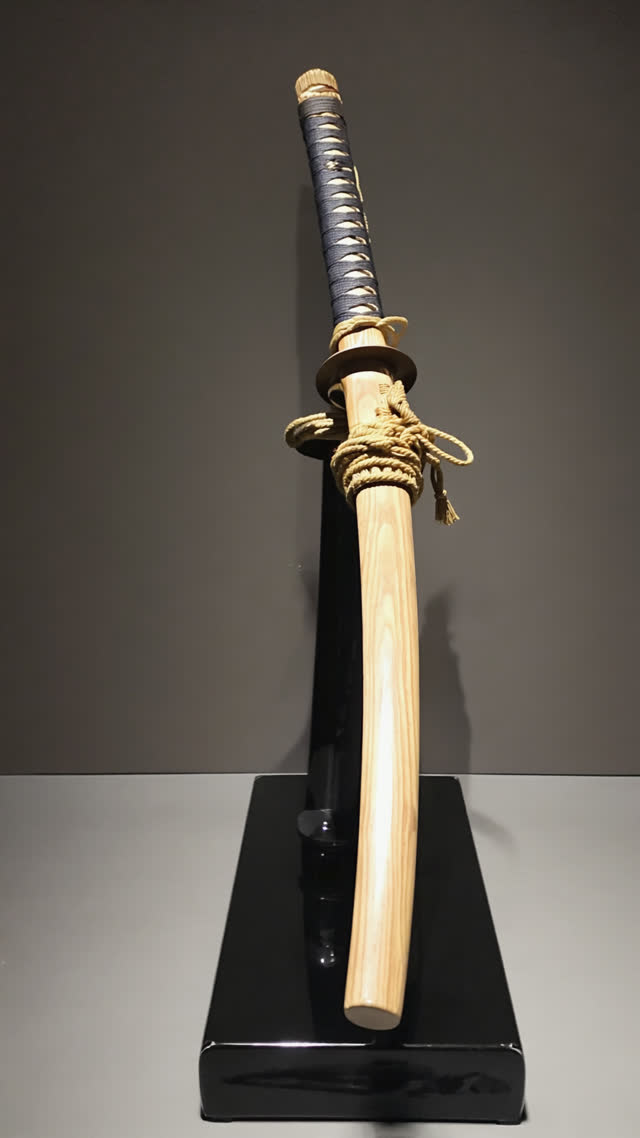
- In Japan, museums let you stand face to face with these legal works of art.Why does Japan still make katana?
- Travelers can see real tamahagane and nationally designated tatara tools at the Wako Museum in Yasugi, Shimane.Where does katana steel come from?
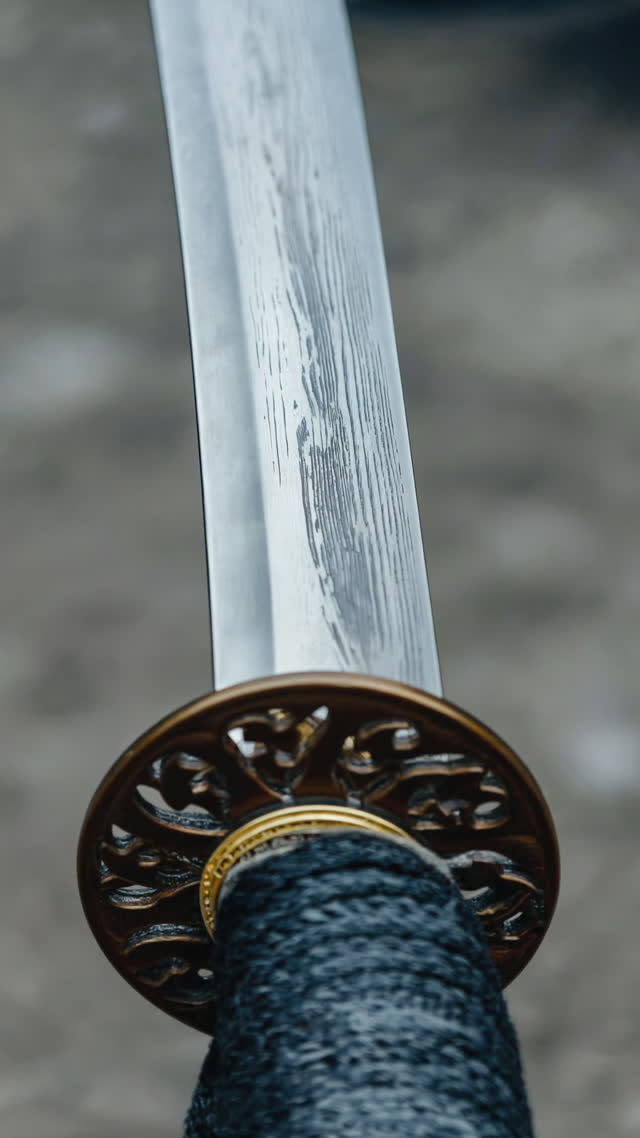
- At the Japanese Sword Museum in Tokyo, you can stand close enough to see the grain those layers leave in polished steel.How many layers of steel are in a katana?
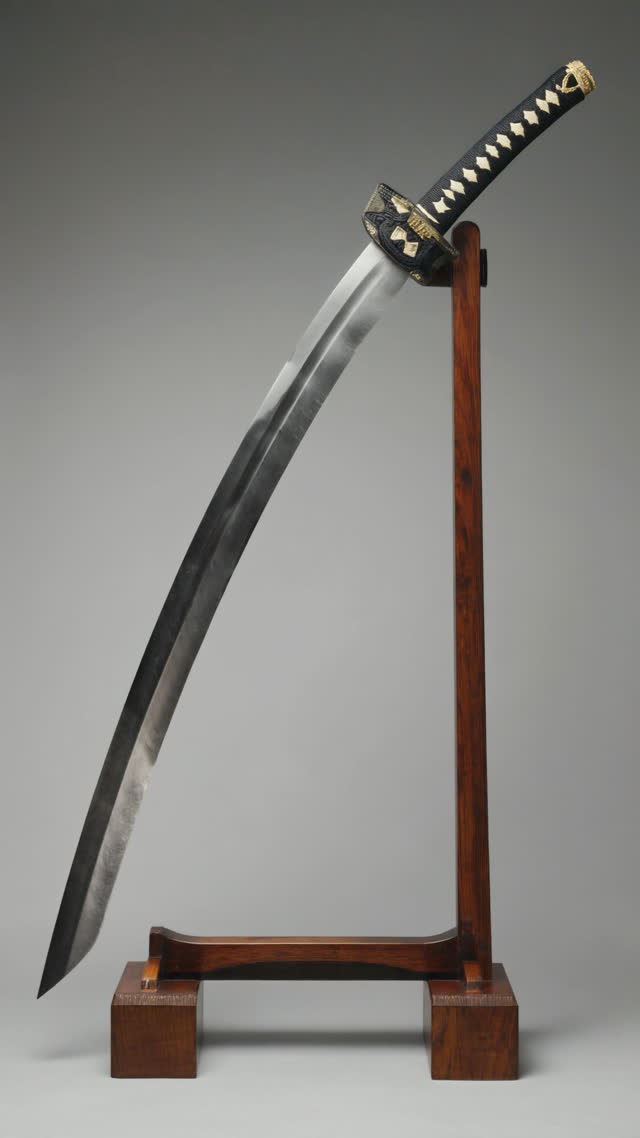
- At the Nagoya Token Museum, compare hamon up close — no two blades carry the same line.What is the hamon on a katana?
- At the Nagoya Token Museum, you can stand before finished blades and read that polish yourself.Who finishes a katana?
- At the Seki Traditional Swordsmith Museum, public sword-forging demonstrations are held on the first Sunday of each month from February to September (10:30 / 13:00, adults 300 yen).Why is Seki in Gifu the knife capital of Japan?
- Visit the Bizen Osafune Sword Museum — some sessions require reservation, so check the schedule before you go.Where can you watch a katana being forged?
- See them work: at the Bizen Osafune Token Village (Okayama, ¥500), resident craftsmen work in open studios, with sword forging demonstrations on the second Sunday of every month. In Tokyo, the Japanese Sword Museum in Ryogoku (¥1,000) holds National Treasure blades.How many crafts does it take to finish a katana?
Japanese terms in this collection
Each term is defined on the glossary from the story that uses it.
Sources behind these stories
- Agency for Cultural Affairs
- All Japan Swordsmith Association
- NBTHK — Society for Preservation of Japanese Art Swords
- Wako Museum
- Nagoya Token Museum
- City of Seki
- City of Setouchi