Where can you watch a katana being forged?
The village where swords are still born
The short answer
In Osafune, Setouchi City, Okayama — a home of Bizen swordsmithing for centuries where the forge never went quiet. On the second Sunday of each month smiths hold a public old-style forging, heating tamahagane steel to 1,200–1,300°C, and craftsman workshops such as polishing can also be viewed.
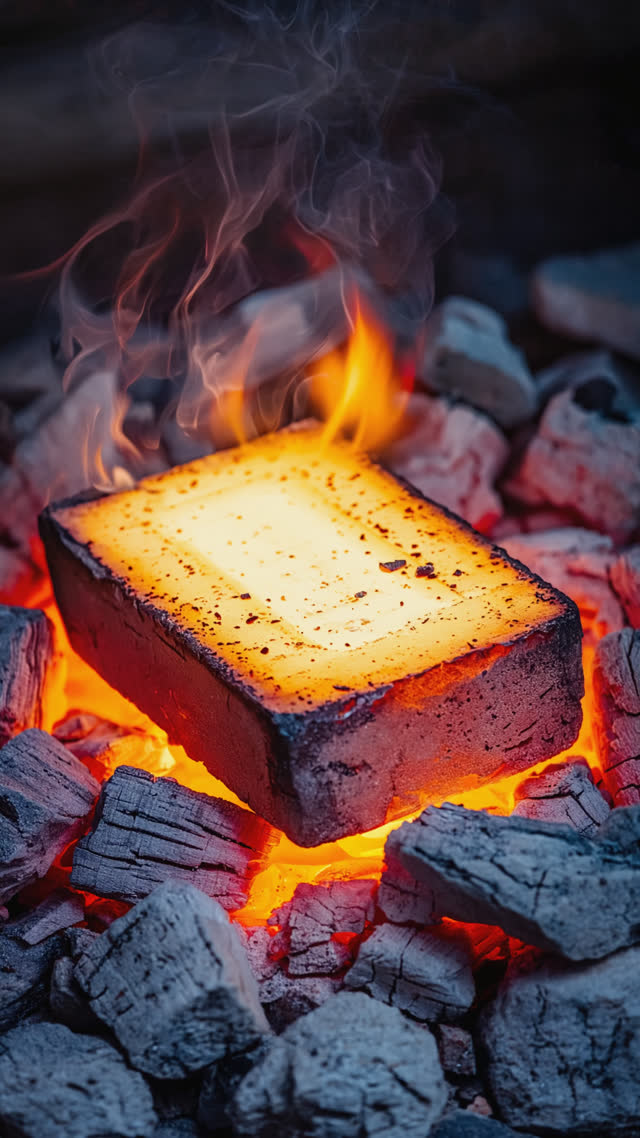
Swords Are Still Born Here
In one quiet Okayama village, a sword is still born every month.
Osafune, in Setouchi City, has been a home of Bizen swordsmithing for centuries — and the forge never went quiet. On the second Sunday of each month, smiths hold a public old-style forging, heating tamahagane steel to 1,200-1,300°C, while craftsman workshops such as polishing can also be viewed.
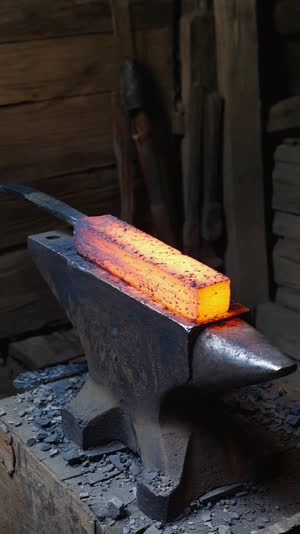
A sword is born monthly
Every month, a sword is born here.
Monthly is the significant part. This is not an annual festival or an occasional demonstration but a working rhythm, which means the forge is in use rather than on display.
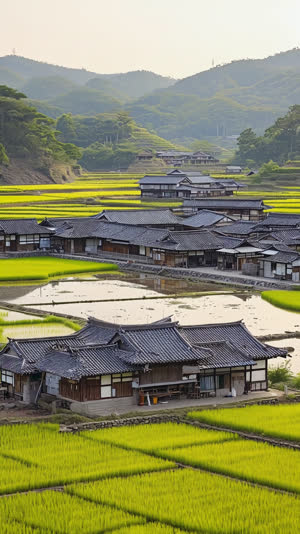
Osafune, Okayama
This is Osafune, Okayama — Bizen's village of swordsmiths.
Bizen is the old provincial name for this part of Okayama, and it functions like a maker's mark. A Bizen blade means a blade from here, which is why the village name still carries weight.
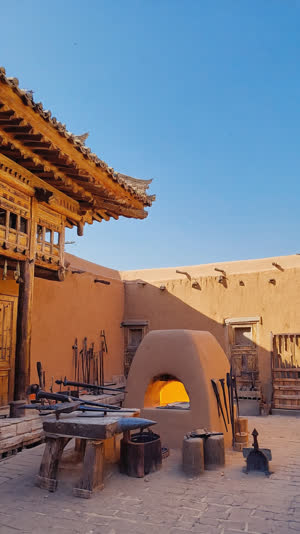
Second Sunday, open forge
On the second Sunday, the forge opens to the public.
A fixed date rather than a booking window makes this plannable. Some sessions do require a reservation, so the schedule is worth checking before traveling for it.
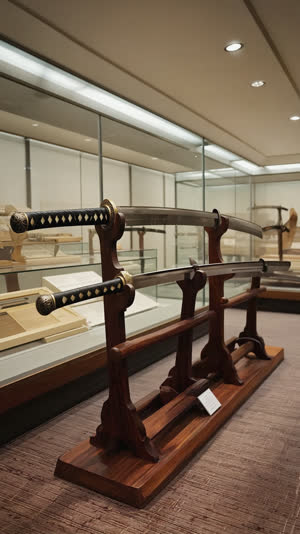
Centuries of Bizen blades
For centuries, Osafune smiths made Bizen blades famous nationwide.
A reputation like that is built over generations rather than by individuals, which is why the place name outlasted every smith who worked under it.
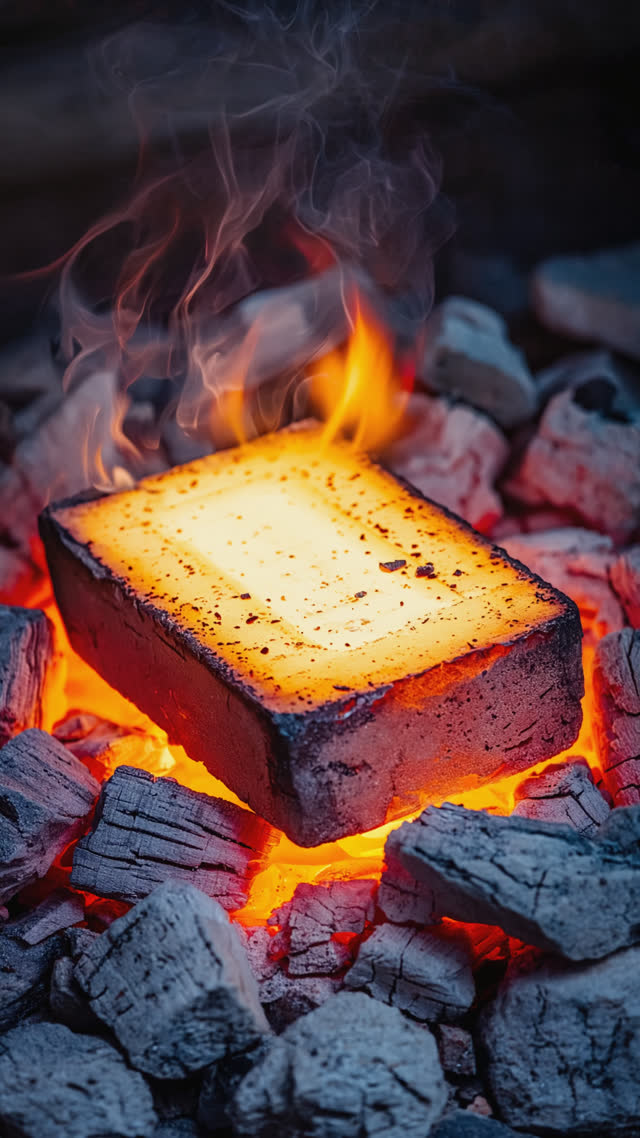
Tamahagane at 1,300°C
Tamahagane steel glows at 1,200 to 1,300 degrees Celsius.
That is several hundred degrees above the temperature used for hardening later in the process. Forging and quenching happen at different heats, and the difference is what the whole sequence is organized around.
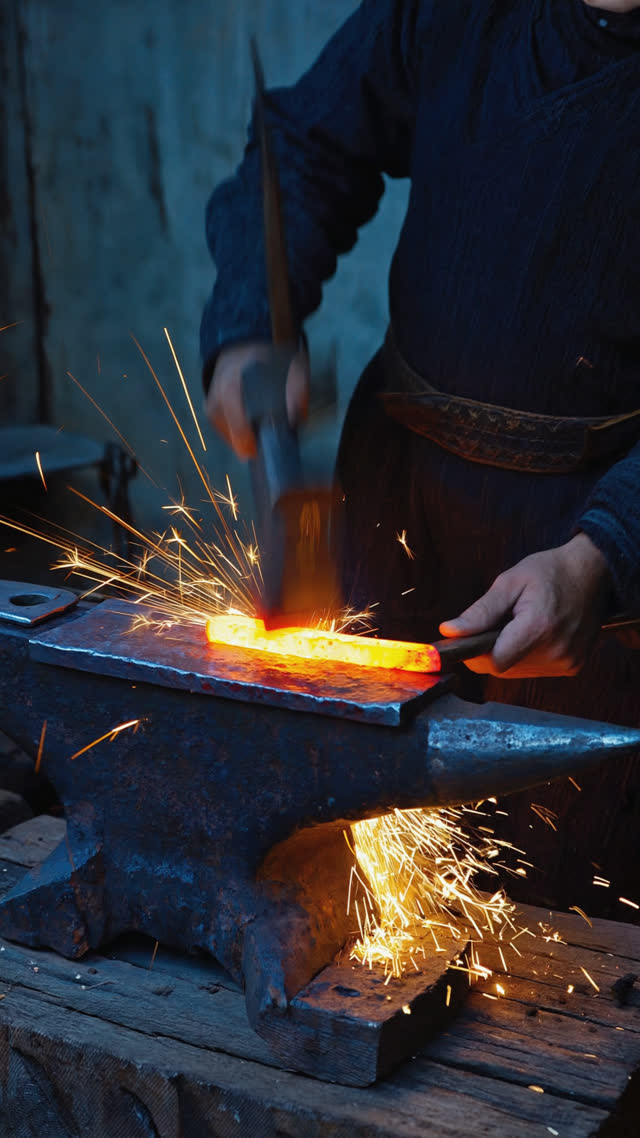
Hammer, sparks, folding steel
Hammers fall, sparks rise, and the steel folds like dough.
The sparks are the same impurities leaving the steel that an earlier part described. Seeing it happen is different from reading it: the shower is large, bright and constant.
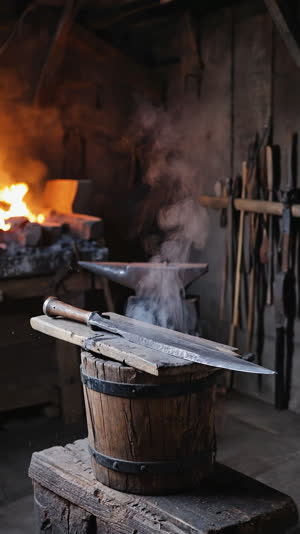
They forge anyway
Nobody needs a new sword. Japan forges them anyway.
The series thesis, said out loud at the anvil. The forging happens because a technique that is not performed does not survive being written down.
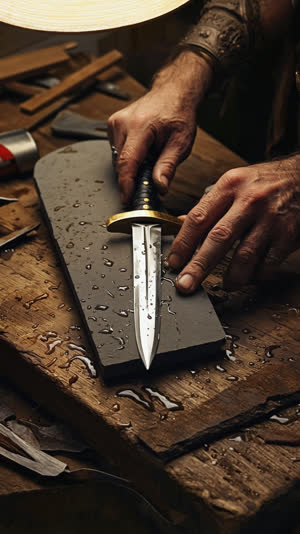
Watch the craftsmen work
In the workshops, watch polishers and craftsmen at their benches.
This is where the earlier parts become visible in one place. Polishers and fittings makers work on site, which is the arrangement the final part of this series explains.
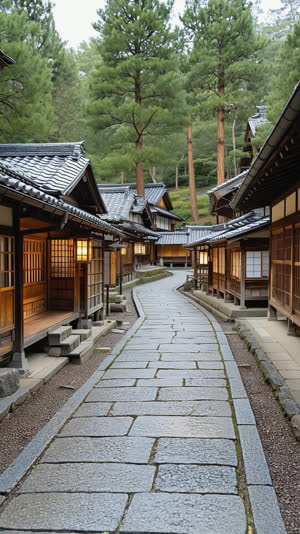
Bizen Osafune Sword Museum
All at the Bizen Osafune Sword Museum — check the schedule first.
The forging is monthly and some sessions need booking, so the trip has to be planned around the calendar rather than the other way round. Everything else on site is open on ordinary days.
The thread through Katana
Japan stopped needing swords. It never stopped perfecting them.
Next: come face to face with a National Treasure in Tokyo.
Japanese terms in this story
Sources — primary only
Original Japanese source note
備前おさふね刀剣の里・備前長船刀剣博物館(岡山県瀬戸内市)で毎月第2日曜に公開古式鍛錬(玉鋼を1200〜1300度で鍛錬)・工房で研ぎ等の職人仕事も見学可・回により予約制(瀬戸内市公式)