Why is Seki in Gifu the knife capital of Japan?
The sword town inside your kitchen knife
The short answer
Seki has forged blades for over 700 years, and when swords were no longer worn its smiths turned the same skill to kitchen knives. Today Seki ships 45.6 billion yen in blades (2020), the highest of any municipality in Japan.
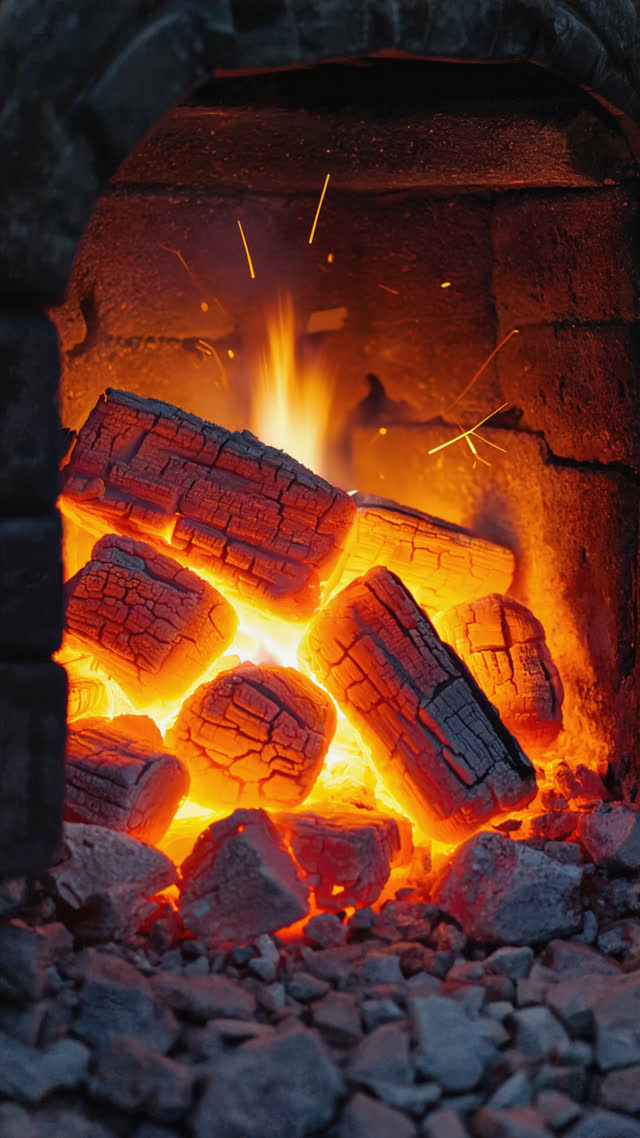
Sword Town, Knife Capital
Your kitchen knife may carry seven hundred years of swordsmithing.
Seki in Gifu has forged blades for over 700 years. When swords were no longer worn, its smiths turned the same skill to kitchen knives — and today Seki ships 45.6 billion yen in blades (2020), the highest of any municipality in Japan.
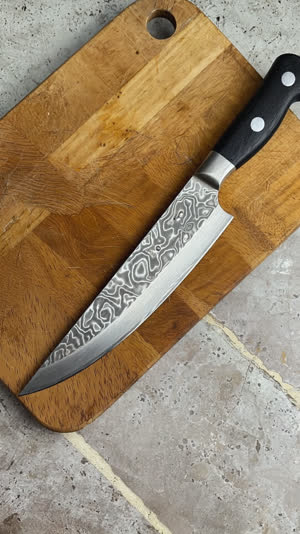
This knife remembers the sword
This kitchen knife remembers the katana.
The connection is not metaphorical: the same town made both, and what changed was the product rather than the place.
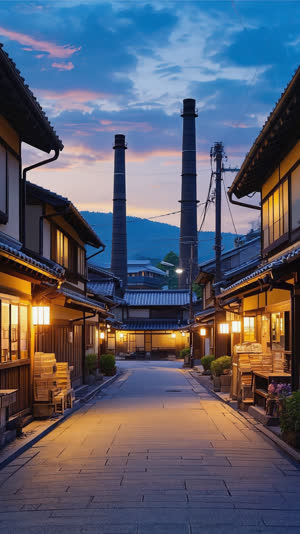
Seki, Gifu: blade capital
It was made in Seki, Gifu — Japan's blade capital.
Gifu is inland central Japan and Seki is a small city, not an industrial hub. What it has instead is seven hundred years of doing this in one place.
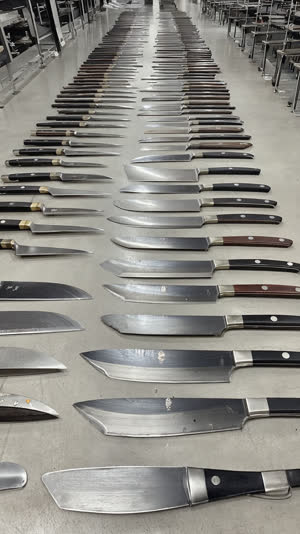
45.6 billion yen in blades
Seki ships 45.6 billion yen in blades — first in Japan.
First among all municipalities, not first in its prefecture. A town of this size holding the national top position in a category is the measure of how completely the trade concentrated here.
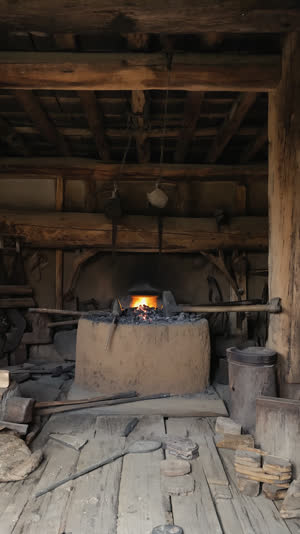
700 years of swordsmiths
Seven hundred years ago, swordsmiths set up their forges here.
That is longer than most of the history usually attached to swords. The trade was here before the periods it is remembered for, and it stayed after them.
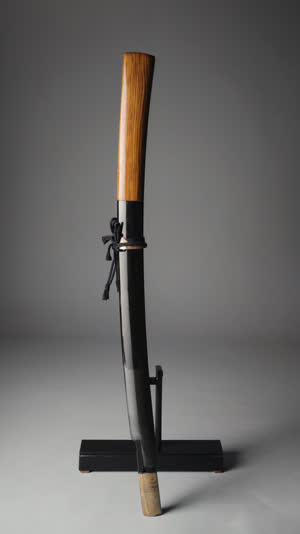
Once, swords for samurai
For centuries, a Seki blade meant a samurai's sword.
A named production center matters because a blade carries where it was made. Seki became a mark of origin, and that is a form of value which survives a change of product.
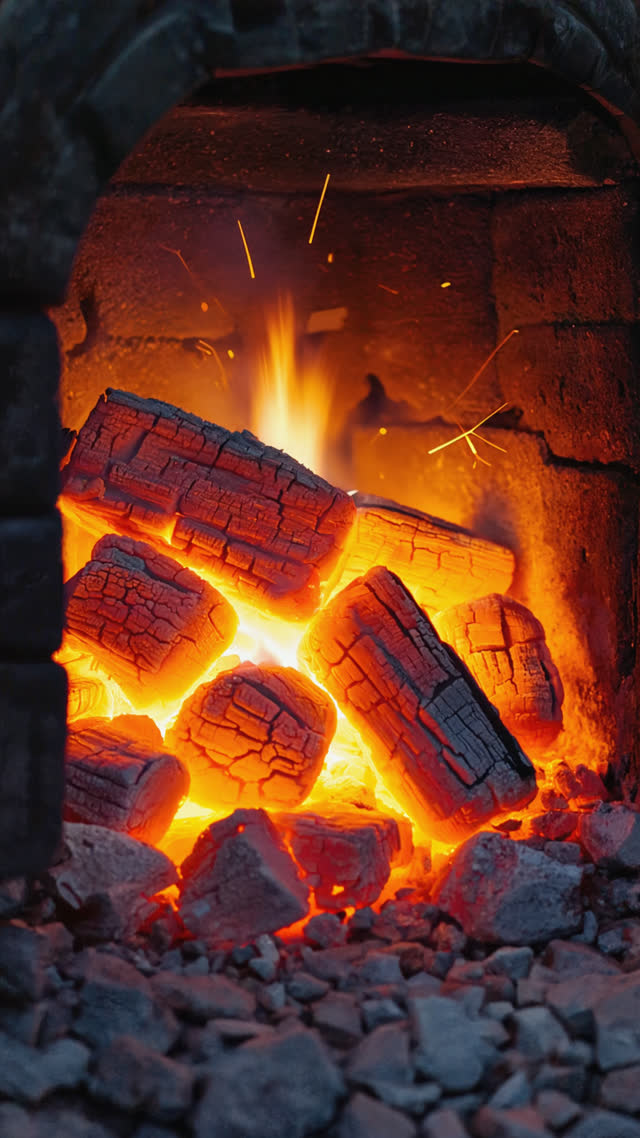
The forges never went cold
Then Japan stopped wearing swords. Seki's fires never went out.
This is the moment the rest of the series has been circling. Demand for the object disappeared and the capability did not, because the capability sat in a town rather than in a market.
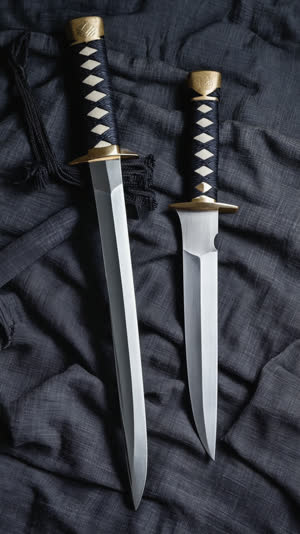
The skill remained
The town let go of the sword — never of the skill.
The series thesis, as an economic fact. What transferred was the handling of steel and edges; only the shape of the finished object changed.
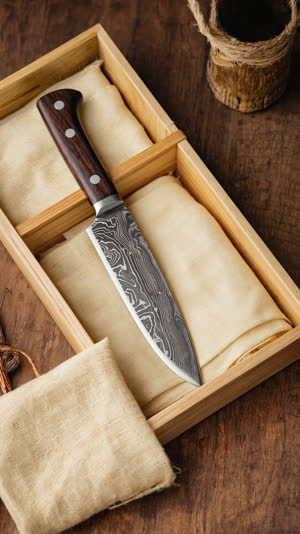
Take the lineage home
Buy a Seki knife, and the lineage goes home with you.
This is the one part of the series with a takeaway you can pack, and it needs no specialist shop. The lineage is available at ordinary prices.
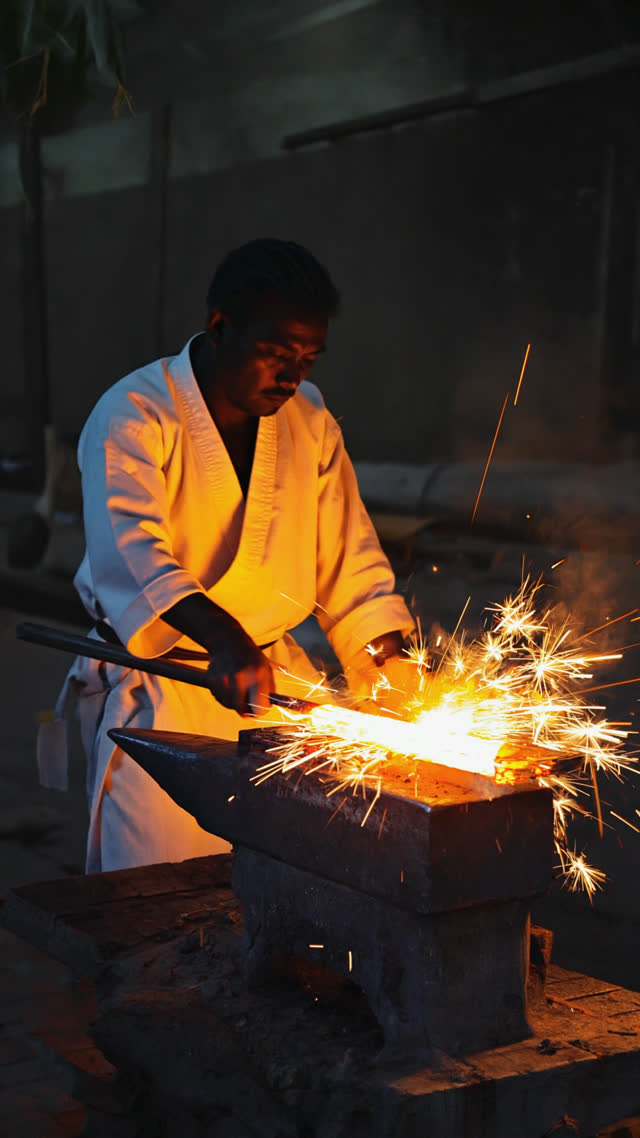
Seki Swordsmith Museum
At Seki's Swordsmith Museum, smiths still forge swords in public.
The demonstrations run to a monthly schedule for a small admission. Watching a sword being made in the town that stopped making swords is the clearest version of the argument available.
The thread through Katana
Japan stopped needing swords. It never stopped perfecting them.
Next: the village where a sword is born every month.
Japanese terms in this story
Sources — primary only
Original Japanese source note
関市は700年余の刀鍛冶の歴史・刃物出荷額456億円(2020年)で全国自治体1位・体験:関鍛冶伝承館で古式日本刀鍛錬の一般公開=2〜9月の毎月第1日曜(10:30/13:00)・大人300円(関市公式)