Experience · the second fold, Touching
Knowing why makes the trip land differently.
Every story ends in a place you can actually stand in — a museum, a brewery, a bathhouse, a queue on a platform. Here they all are, in one list.
Katana
Japan stopped needing swords. It never stopped perfecting them.
-
01
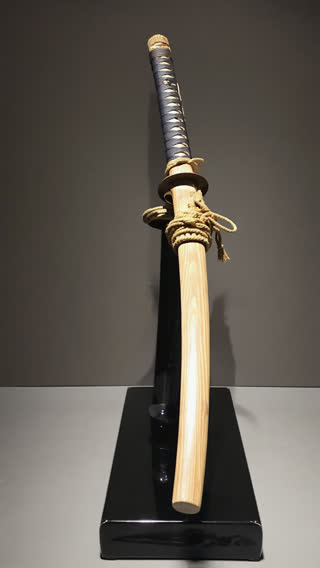 In Japan, museums let you stand face to face with these legal works of art.
Why does Japan still make katana?
Read →
In Japan, museums let you stand face to face with these legal works of art.
Why does Japan still make katana?
Read → -
02
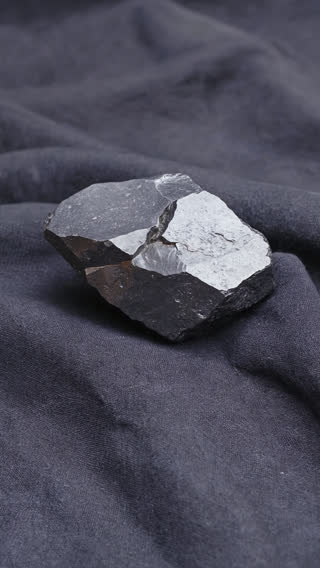 Travelers can see real tamahagane and nationally designated tatara tools at the Wako Museum in Yasugi, Shimane.
Where does katana steel come from?
Read →
Travelers can see real tamahagane and nationally designated tatara tools at the Wako Museum in Yasugi, Shimane.
Where does katana steel come from?
Read → -
03
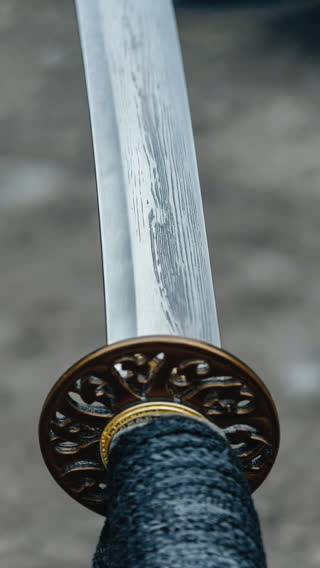 At the Japanese Sword Museum in Tokyo, you can stand close enough to see the grain those layers leave in polished steel.
How many layers of steel are in a katana?
Read →
At the Japanese Sword Museum in Tokyo, you can stand close enough to see the grain those layers leave in polished steel.
How many layers of steel are in a katana?
Read → -
04
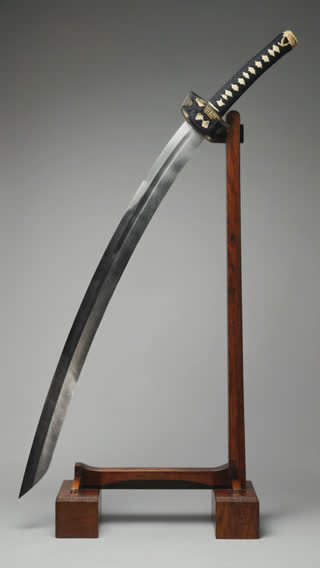 At the Nagoya Token Museum, compare hamon up close — no two blades carry the same line.
What is the hamon on a katana?
Read →
At the Nagoya Token Museum, compare hamon up close — no two blades carry the same line.
What is the hamon on a katana?
Read → -
05
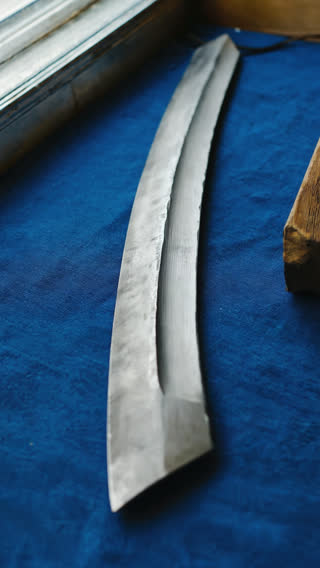 At the Nagoya Token Museum, you can stand before finished blades and read that polish yourself.
Who finishes a katana?
Read →
At the Nagoya Token Museum, you can stand before finished blades and read that polish yourself.
Who finishes a katana?
Read → -
06
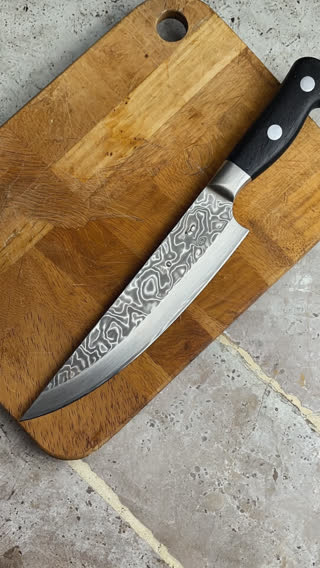 At the Seki Traditional Swordsmith Museum, public sword-forging demonstrations are held on the first Sunday of each month from February to September (10:30 / 13:00, adults 300 yen).
Why is Seki in Gifu the knife capital of Japan?
Read →
At the Seki Traditional Swordsmith Museum, public sword-forging demonstrations are held on the first Sunday of each month from February to September (10:30 / 13:00, adults 300 yen).
Why is Seki in Gifu the knife capital of Japan?
Read → -
07
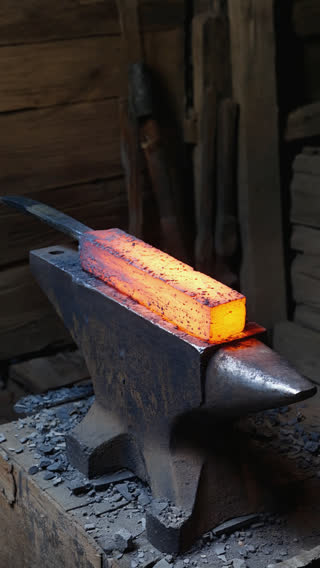 Visit the Bizen Osafune Sword Museum — some sessions require reservation, so check the schedule before you go.
Where can you watch a katana being forged?
Read →
Visit the Bizen Osafune Sword Museum — some sessions require reservation, so check the schedule before you go.
Where can you watch a katana being forged?
Read → -
08
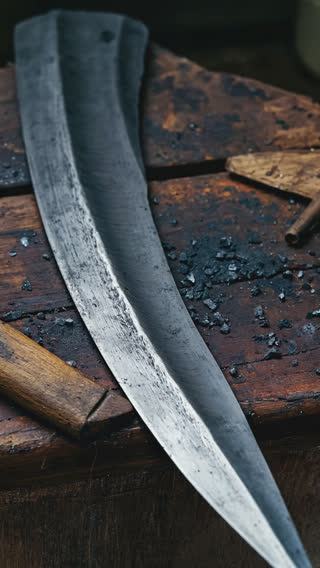 See them work: at the Bizen Osafune Token Village (Okayama, ¥500), resident craftsmen work in open studios, with sword forging demonstrations on the second Sunday of every month. In Tokyo, the Japanese Sword Museum in Ryogoku (¥1,000) holds National Treasure blades.
How many crafts does it take to finish a katana?
Read →
See them work: at the Bizen Osafune Token Village (Okayama, ¥500), resident craftsmen work in open studios, with sword forging demonstrations on the second Sunday of every month. In Tokyo, the Japanese Sword Museum in Ryogoku (¥1,000) holds National Treasure blades.
How many crafts does it take to finish a katana?
Read →
Fermentation
Japan never fought the mold. It hired it.
-
01
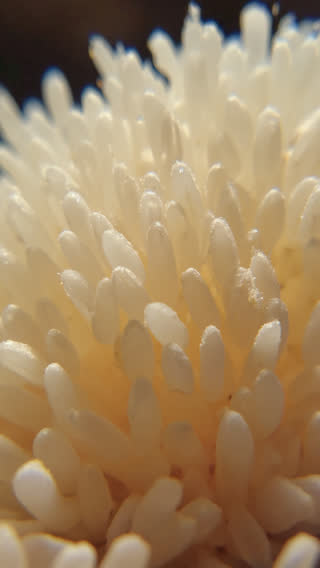 In Japan, one bowl of miso soup is all it takes to taste it.
Why does Japan have a national fungus?
Read →
In Japan, one bowl of miso soup is all it takes to taste it.
Why does Japan have a national fungus?
Read → -
02
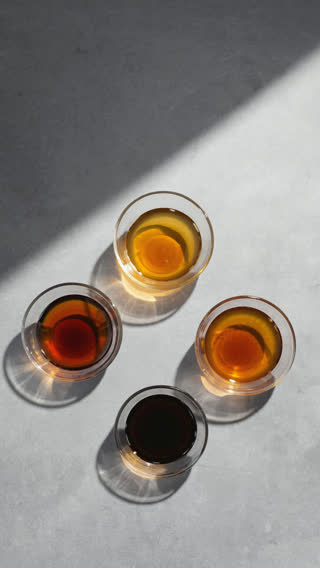 In Japan, order amazake — that sweetness comes from koji, not sugar.
How does koji create so many Japanese flavors?
Read →
In Japan, order amazake — that sweetness comes from koji, not sugar.
How does koji create so many Japanese flavors?
Read → -
03
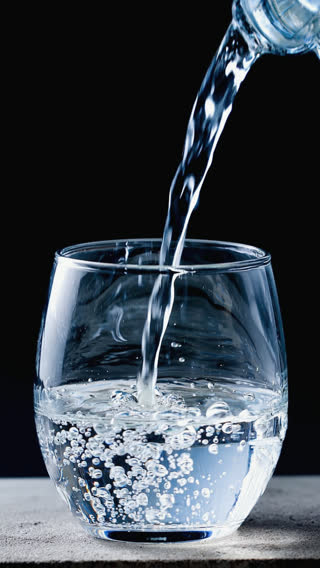 See it at the Gekkeikan Okura Sake Museum in Fushimi, Kyoto (600 yen, three tastings), or free in Nada, Kobe.
What can sake do that wine and beer cannot?
Read →
See it at the Gekkeikan Okura Sake Museum in Fushimi, Kyoto (600 yen, three tastings), or free in Nada, Kobe.
What can sake do that wine and beer cannot?
Read → -
04
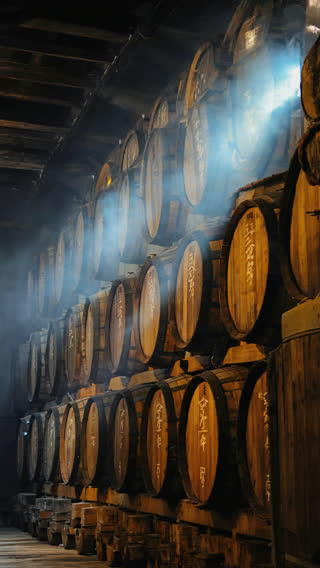 On Shodoshima, Kagawa, the Marukin Soy Sauce Museum offers tours and moromi pressing.
Who still makes the wooden barrels for Japanese soy sauce?
Read →
On Shodoshima, Kagawa, the Marukin Soy Sauce Museum offers tours and moromi pressing.
Who still makes the wooden barrels for Japanese soy sauce?
Read → -
05
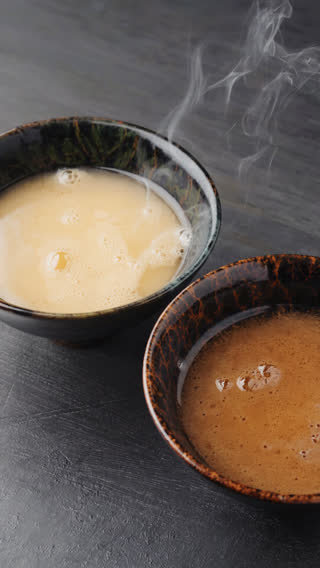 In Okazaki, Aichi, Kakukyu opens its miso cellars for a free tour, hourly from 10:00 to 16:00, no reservation needed.
Why is miso sometimes pale gold and sometimes almost black?
Read →
In Okazaki, Aichi, Kakukyu opens its miso cellars for a free tour, hourly from 10:00 to 16:00, no reservation needed.
Why is miso sometimes pale gold and sometimes almost black?
Read → -
06
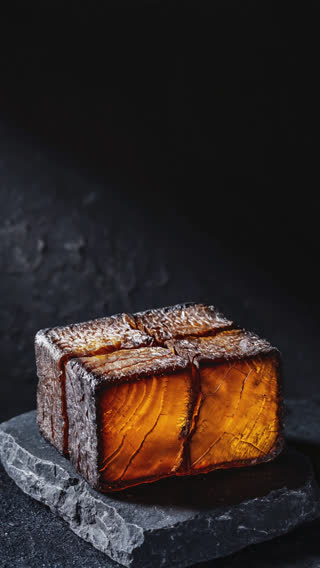 In Yaizu, Shizuoka, Yamaju runs a shaving experience for 1,750 yen by reservation.
Why is mold grown on katsuobushi on purpose?
Read →
In Yaizu, Shizuoka, Yamaju runs a shaving experience for 1,750 yen by reservation.
Why is mold grown on katsuobushi on purpose?
Read → -
07
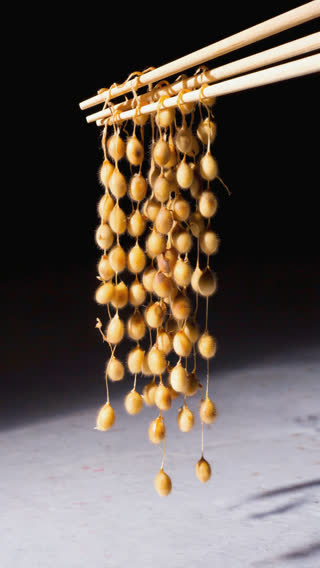 In Mito, Ibaraki, the Natto Nandemo Exhibition Hall at Mito Tengu Natto is free to enter, about ten minutes on foot from Mito Station.
Where did natto come from?
Read →
In Mito, Ibaraki, the Natto Nandemo Exhibition Hall at Mito Tengu Natto is free to enter, about ten minutes on foot from Mito Station.
Where did natto come from?
Read → -
08
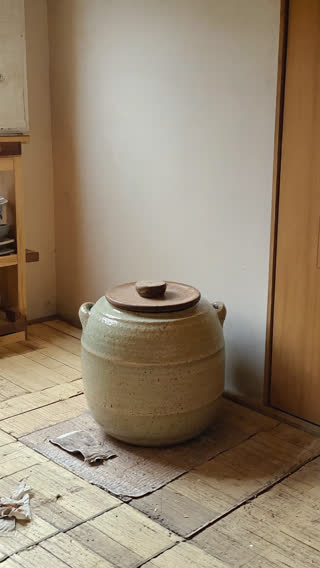 Make your own at Kyo-tsukemono Mori's Sanjo branch in Kyoto: about 45 minutes, 2,750 yen, reservation required.
Why does a nukadoko pickle bed need a human hand?
Read →
Make your own at Kyo-tsukemono Mori's Sanjo branch in Kyoto: about 45 minutes, 2,750 yen, reservation required.
Why does a nukadoko pickle bed need a human hand?
Read →
Washoku
Japanese table manners are not etiquette. They are gratitude, made physical.
-
01
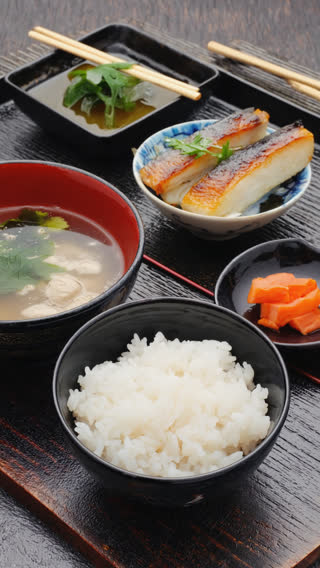 At your next meal in Japan, pause, say it, and mean it.
What does itadakimasu actually mean?
Read →
At your next meal in Japan, pause, say it, and mean it.
What does itadakimasu actually mean?
Read → -
02
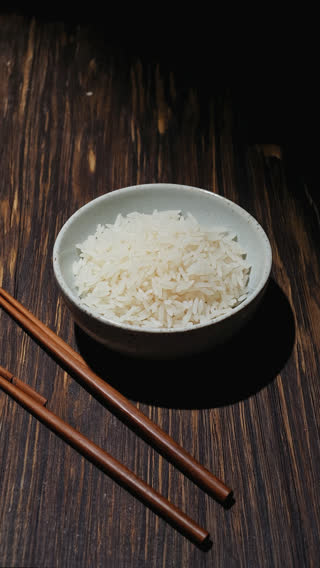 At your next meal in Japan, rest your chopsticks on the hashioki and feel the difference.
What should you never do with chopsticks in Japan?
Read →
At your next meal in Japan, rest your chopsticks on the hashioki and feel the difference.
What should you never do with chopsticks in Japan?
Read → -
03
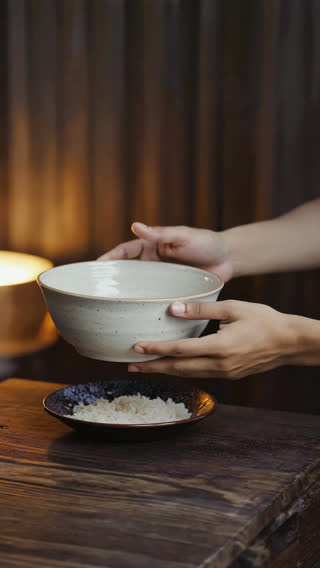 Tonight in Japan, lift the bowl with confidence — you're doing it right.
Is it rude to lift your bowl in Japan?
Read →
Tonight in Japan, lift the bowl with confidence — you're doing it right.
Is it rude to lift your bowl in Japan?
Read → -
04
 Next time you split a cedar pair in Japan, smell it — that scent is Yoshino.
Where did disposable chopsticks come from?
Read →
Next time you split a cedar pair in Japan, smell it — that scent is Yoshino.
Where did disposable chopsticks come from?
Read → -
05
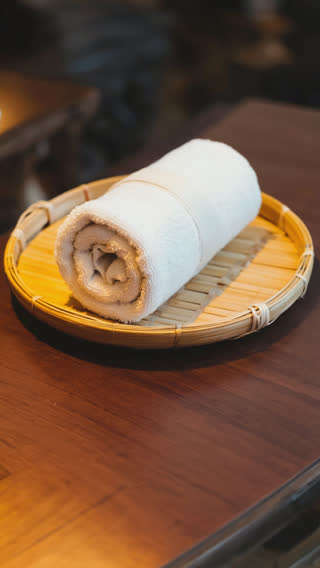 At your next meal in Japan, receive it with both hands and feel the welcome before the food.
Why is the oshibori towel free in Japan?
Read →
At your next meal in Japan, receive it with both hands and feel the welcome before the food.
Why is the oshibori towel free in Japan?
Read → -
06
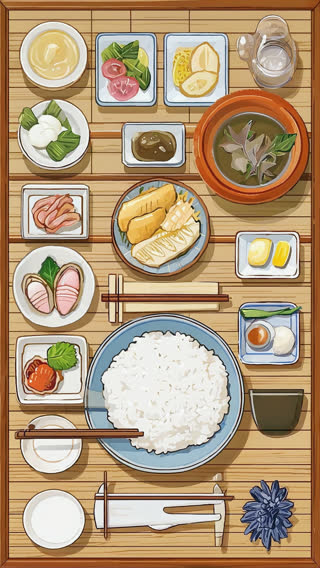 Order any teishoku set in Japan and read the map before you lift your chopsticks.
Why does rice sit on the left in a Japanese meal?
Read →
Order any teishoku set in Japan and read the map before you lift your chopsticks.
Why does rice sit on the left in a Japanese meal?
Read → -
07
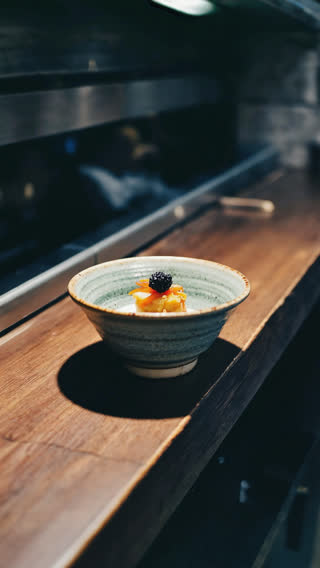 At your next izakaya in Japan, greet that little dish as your ticket in.
What is the otoshi dish you never ordered at an izakaya?
Read →
At your next izakaya in Japan, greet that little dish as your ticket in.
What is the otoshi dish you never ordered at an izakaya?
Read → -
08
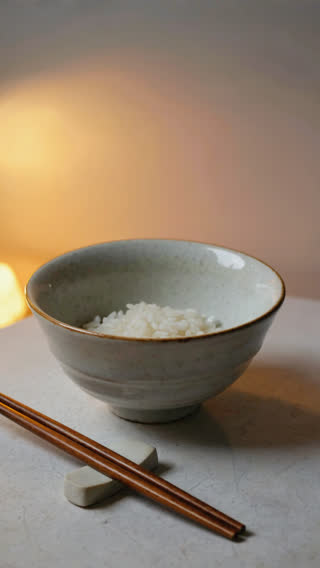 Say it after your next meal in Japan — then listen for the kitchen answering back.
What does gochisosama mean?
Read →
Say it after your next meal in Japan — then listen for the kitchen answering back.
What does gochisosama mean?
Read →
Manners
Japan's rules are not enforced. They are agreed.
-
01
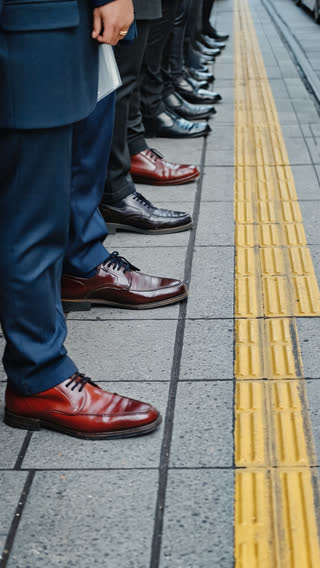 On your first day, join a station queue and feel how naturally the system welcomes you.
Why is Japan so quiet and clean?
Read →
On your first day, join a station queue and feel how naturally the system welcomes you.
Why is Japan so quiet and clean?
Read → -
02
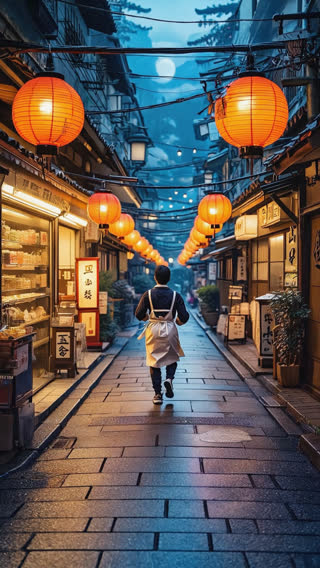 On your first bill in Japan, pay the exact amount with a smile — that is perfect manners.
Should you tip in Japan?
Read →
On your first bill in Japan, pay the exact amount with a smile — that is perfect manners.
Should you tip in Japan?
Read → -
03
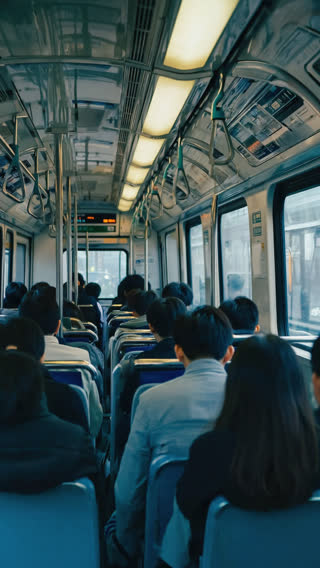 On day one, ride one stop in silence and feel the whole car relax.
Why does nobody talk on Japanese trains?
Read →
On day one, ride one stop in silence and feel the whole car relax.
Why does nobody talk on Japanese trains?
Read → -
04
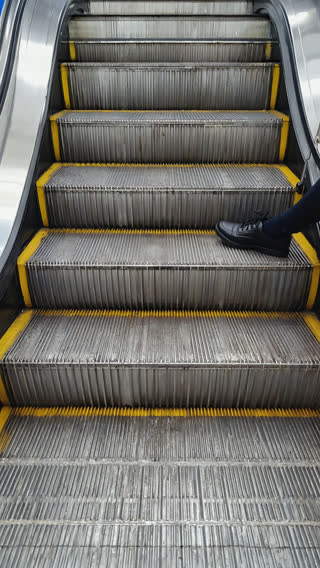 On day one, plant your feet, hold the rail, and ride like a local.
Which side do you stand on an escalator in Japan?
Read →
On day one, plant your feet, hold the rail, and ride like a local.
Which side do you stand on an escalator in Japan?
Read → -
05
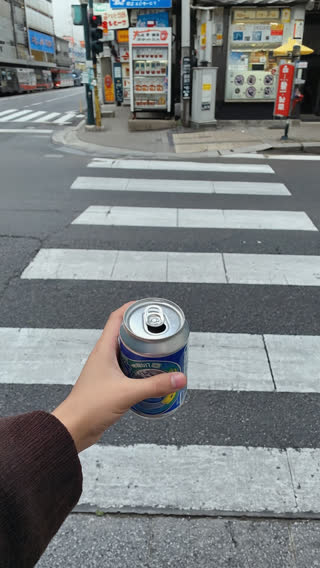 On day one, pocket a small bag for your wrappers and enjoy the freedom.
Why are there no trash cans in Japan, and no litter either?
Read →
On day one, pocket a small bag for your wrappers and enjoy the freedom.
Why are there no trash cans in Japan, and no litter either?
Read → -
06
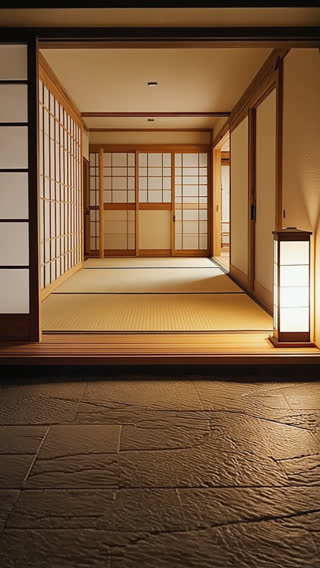 On your first day in Japan, pause at the step and slip your shoes off smoothly — you'll feel the house begin.
Where do you take your shoes off in Japan?
Read →
On your first day in Japan, pause at the step and slip your shoes off smoothly — you'll feel the house begin.
Where do you take your shoes off in Japan?
Read → -
07
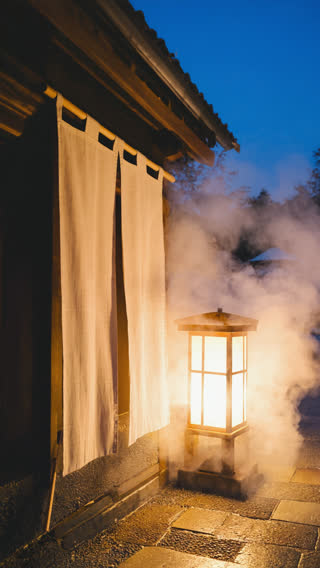 Check the policy before you go, or pack a cover sticker — the water is worth it.
Can you enter an onsen with a tattoo?
Read →
Check the policy before you go, or pack a cover sticker — the water is worth it.
Can you enter an onsen with a tattoo?
Read → -
08
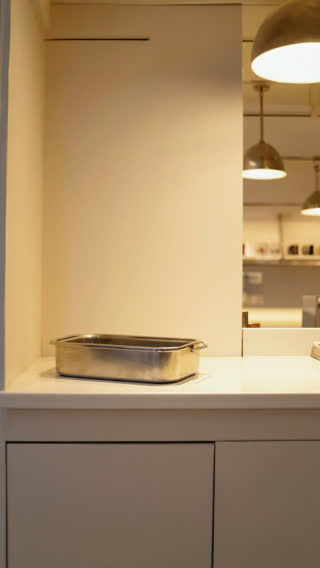 On your first purchase in Japan, lay your coins flat on the tray like a local.
Why do you put money on a tray in Japan?
Read →
On your first purchase in Japan, lay your coins flat on the tray like a local.
Why do you put money on a tray in Japan?
Read → -
09
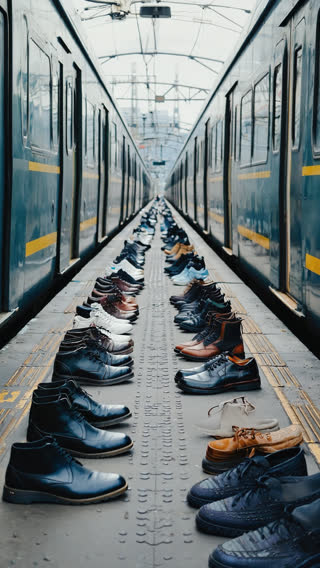 Now you know the why behind each manner — come practice them in Japan, where rules feel like rituals.
Why do people in Japan queue without being told?
Read →
Now you know the why behind each manner — come practice them in Japan, where rules feel like rituals.
Why do people in Japan queue without being told?
Read →
Sento
Japan built its neighborhoods in the bath.
-
01
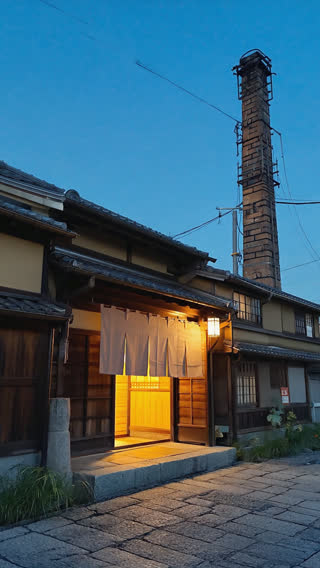 When you visit Japan, duck under the noren and feel that neighborhood warmth for yourself.
What is a sento, and why did it matter so much?
Read →
When you visit Japan, duck under the noren and feel that neighborhood warmth for yourself.
What is a sento, and why did it matter so much?
Read → -
02
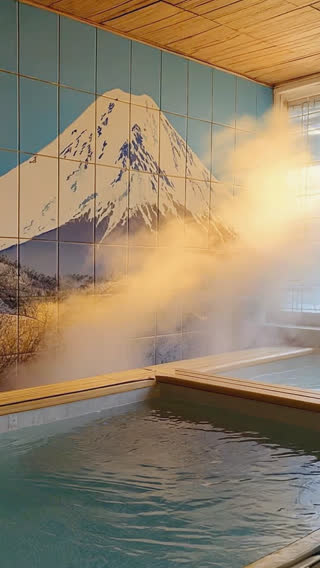 On your Japan trip, find a sento with a painted Fuji and soak beneath the mountain.
Why is Mount Fuji painted on Japanese bathhouse walls?
Read →
On your Japan trip, find a sento with a painted Fuji and soak beneath the mountain.
Why is Mount Fuji painted on Japanese bathhouse walls?
Read → -
03
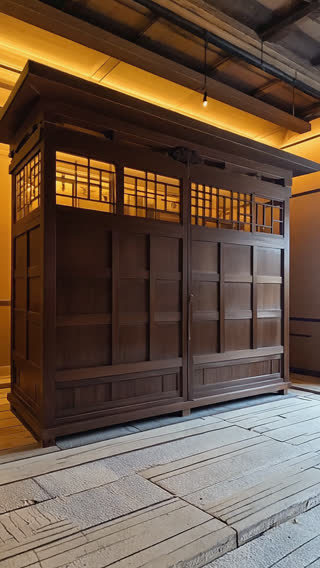 When you visit a sento in Japan, look for the old wooden seat by the door.
What is the bandai in a Japanese bathhouse?
Read →
When you visit a sento in Japan, look for the old wooden seat by the door.
What is the bandai in a Japanese bathhouse?
Read → -
04
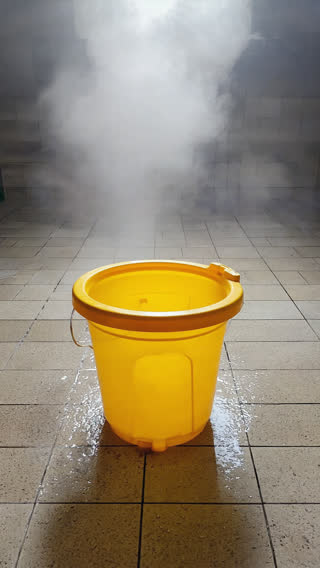 Next time you bathe in Japan, pick up the yellow bucket — you are holding sixty years of history.
Why is Japan's yellow bath bucket called Kerorin?
Read →
Next time you bathe in Japan, pick up the yellow bucket — you are holding sixty years of history.
Why is Japan's yellow bath bucket called Kerorin?
Read → -
05
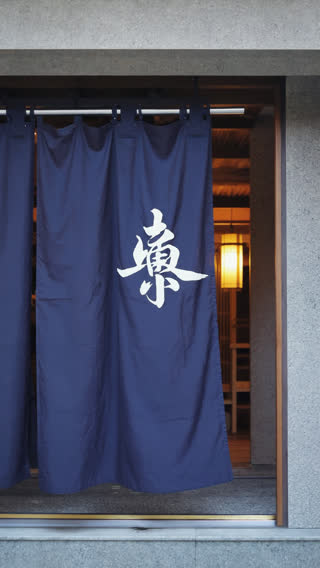 In Japan, spot a "yu" noren down the street, duck under it, and walk straight into bath time. Note: we cover only the custom itself — popular origin stories remain unverified.
How do you know if a Japanese bathhouse is open?
Read →
In Japan, spot a "yu" noren down the street, duck under it, and walk straight into bath time. Note: we cover only the custom itself — popular origin stories remain unverified.
How do you know if a Japanese bathhouse is open?
Read → -
06
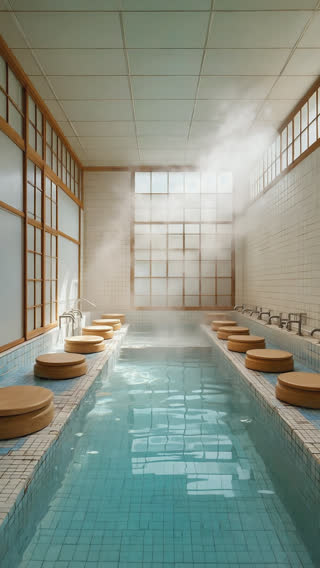 Master these two moves, and every bathhouse in Japan will feel like it was waiting for you.
What are the rules before you get into a Japanese public bath?
Read →
Master these two moves, and every bathhouse in Japan will feel like it was waiting for you.
What are the rules before you get into a Japanese public bath?
Read → -
07
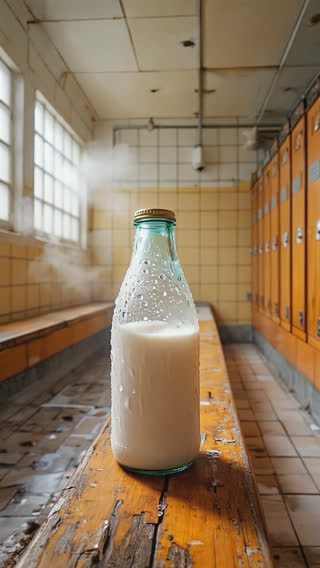 After your first sento in Japan, do it properly: one cold bottle, straight from the lobby fridge.
Why do people drink milk after a bath in Japan?
Read →
After your first sento in Japan, do it properly: one cold bottle, straight from the lobby fridge.
Why do people drink milk after a bath in Japan?
Read → -
08
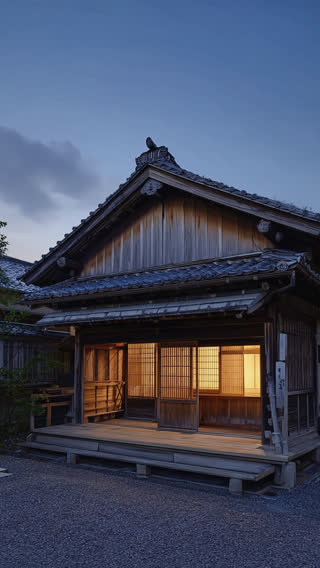 Now you know the story. Visit a real sento in Japan — every wall, bucket and bottle will mean something.
Are Japan's sento disappearing?
Read →
Now you know the story. Visit a real sento in Japan — every wall, bucket and bottle will mean something.
Are Japan's sento disappearing?
Read →
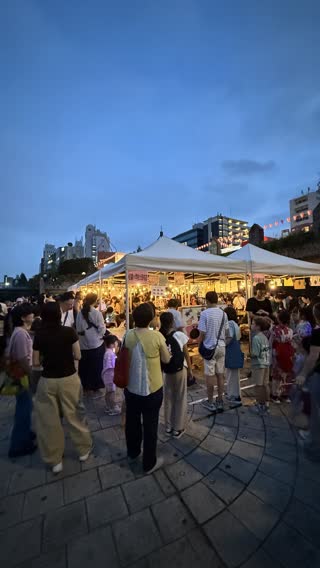
Bon Odori
A festival with no audience. Step into the circle and you are the festival.
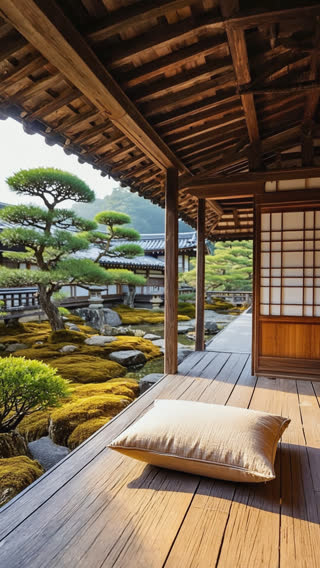
Gardens
Japan does not impose a garden on nature. It compresses nature until you can read it.
Temple Carpentry
Japan does not fasten wood. It joins it — and lets the building move.
-
01
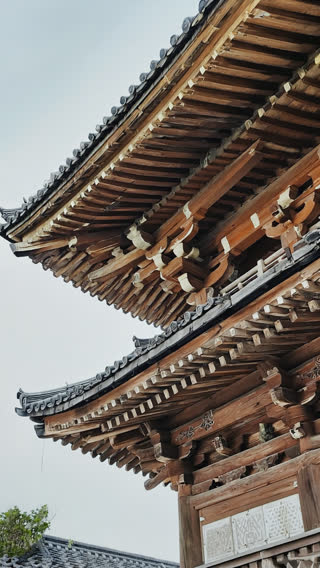 You can stand in front of this work in Nara and Kobe, and once you know what to look for you never see a wooden building the same way.
How do Japanese temples stand without nails?
Read →
You can stand in front of this work in Nara and Kobe, and once you know what to look for you never see a wooden building the same way.
How do Japanese temples stand without nails?
Read → -
02
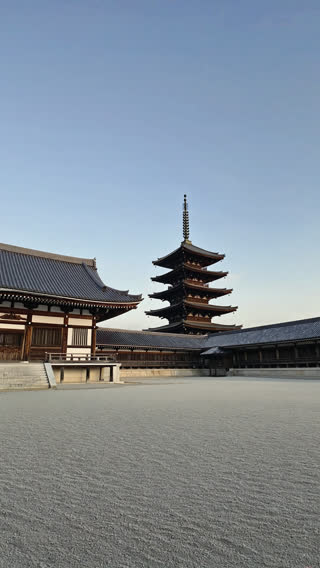 Admission is around 1,500 to 2,000 yen and the site is about forty minutes from Nara by train and bus.
What is the oldest wooden building in the world?
Read →
Admission is around 1,500 to 2,000 yen and the site is about forty minutes from Nara by train and bus.
What is the oldest wooden building in the world?
Read →