Where can you drink tea inside a Japanese garden?
Drink tea inside a masterpiece garden
The short answer
Japanese gardens are built to be entered, not just viewed, and the veranda is the reading chair. At Murin-an in Kyoto, a modern classic by the master gardener Ogawa Jihei VII, entry starts from 600 yen and you can sip matcha facing the garden; in Kanazawa, Kenrokuen's Shigure-tei teahouse serves matcha for 1,000 yen with a seasonal sweet.
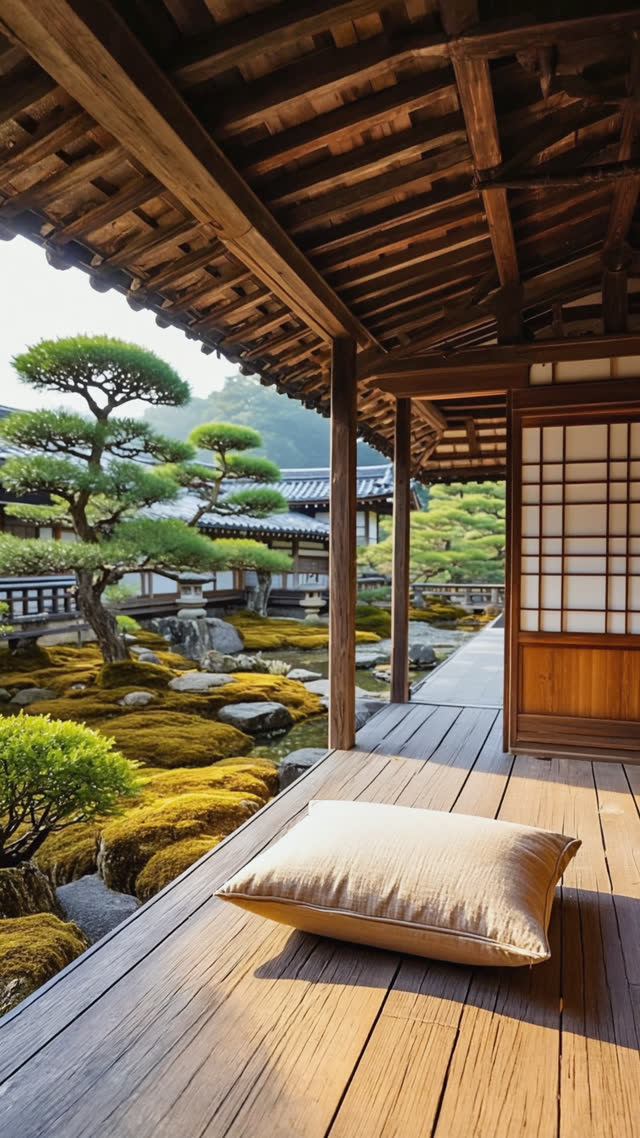
Tea Inside a Garden
Japanese gardens are built to be entered, not just viewed — and the veranda is the reading chair.
At Murin-an in Kyoto, a modern classic by master gardener Ogawa Jihei VII, entry starts from ¥600 and you can sip matcha facing the garden. In Kanazawa, Kenrokuen's Shigure-tei teahouse serves matcha for ¥1,000 with a seasonal sweet.
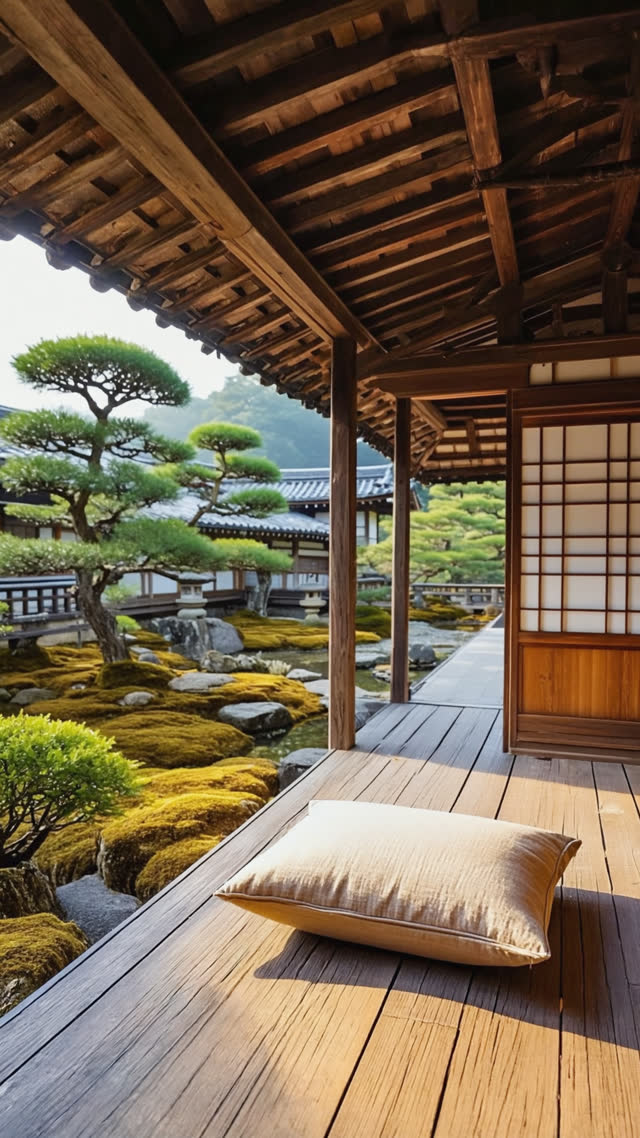
Sit inside the artwork
You can sit inside the artwork.
This is the part visitors most often miss. Some of these gardens are composed to be viewed from a fixed window, and others are built to be occupied — and the second kind is the more common.
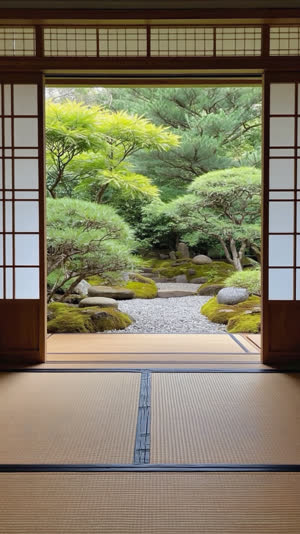
Built to be entered, not just viewed
Japanese gardens are built to be entered, not just viewed.
The architecture says so. A veranda open on one side, a floor at sitting height, and no glass between you and the garden is a design for staying rather than for passing.
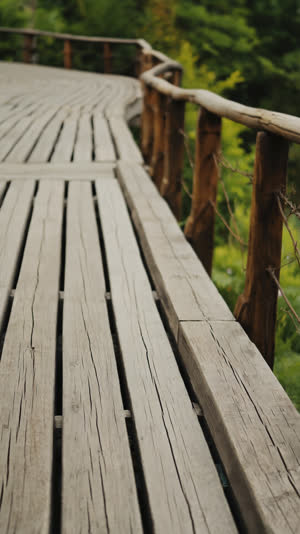
The veranda is the reading chair
The veranda is the reading chair.
The whole series has been building toward a position rather than a place. If a garden is a sentence, this is where you sit to read it, and the sitting is not optional.
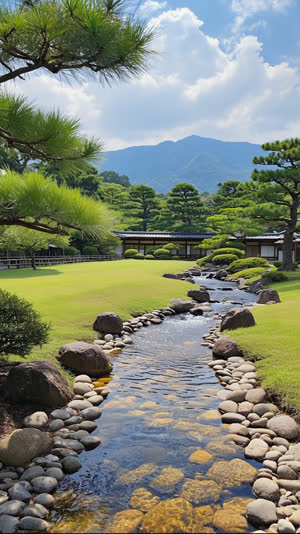
Murin-an, Kyoto — by Ogawa Jihei VII
Murin-an, Kyoto: a modern classic by Ogawa Jihei the Seventh.
Modern here means recent by the standards of this series rather than contemporary. Murin-an is a nationally designated place of scenic beauty, which puts a comparatively new garden in the same category as the medieval ones.
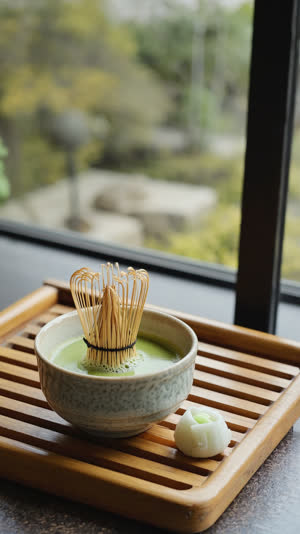
From ¥600 — matcha facing the garden
Entry from six hundred yen — matcha served facing the garden.
The price is the reason for including it. Reading a nationally designated garden with a bowl of tea in hand costs less than a museum ticket in most countries.
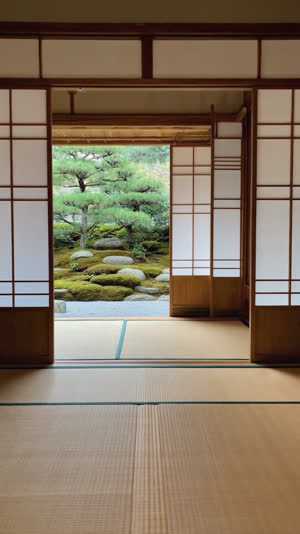
Kanazawa: Shigure-tei at Kenrokuen
In Kanazawa: Kenrokuen's Shigure-tei teahouse.
This is the same garden the previous part visited for its winter ropes. Coming back for the tea is a way to read one place twice, in two different states.
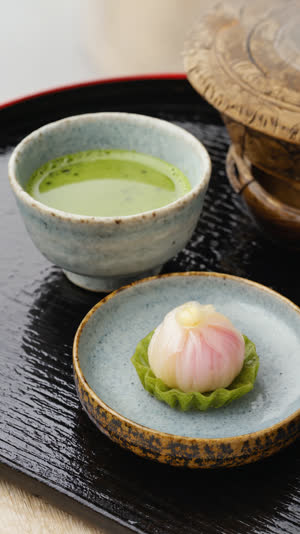
Matcha ¥1,000, sweet included
Matcha for one thousand yen — a seasonal sweet included.
The sweet is matched to the month, which makes it part of the reading rather than a snack. What is on the plate tells you the season as directly as what is outside.
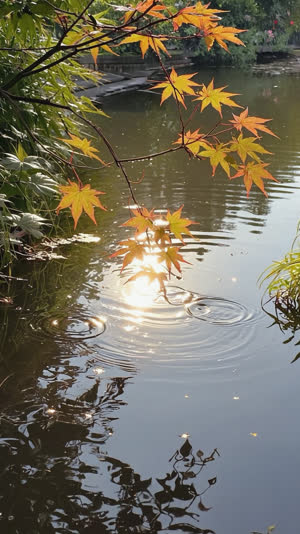
Light. Wind. Water. The pages turn.
Sit still. Let the garden turn its pages: light, wind, water.
Nothing in a Japanese garden is timed for a visit, so the movement has to be waited for. Sitting long enough for the light to shift is the closest this craft has to a reading instruction.
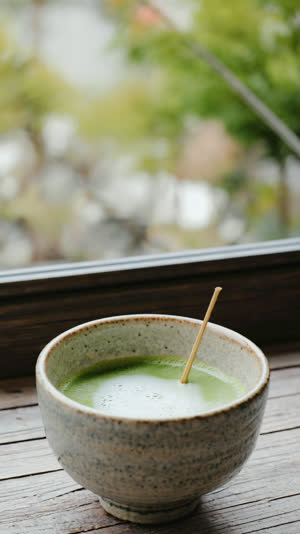
Not seen. Read — best with tea in hand
A Japanese garden is not seen. It is read — best with tea in hand.
The series ends where it began, with the same sentence and one addition. Everything in between — the dry sea, the borrowed mountain, the moss, the ropes, the stone that was listened to — is the vocabulary. The tea is the time.
The thread through Gardens
Japan does not impose a garden on nature. It compresses nature until you can read it.
Plan it: Murin-an, Kyoto — from six hundred yen. Or Kenrokuen, Kanazawa — Shigure-tei, one thousand yen.
Sources — primary only
Original Japanese source note
無鄰菴(京都市左京区・国指定名勝・七代目小川治兵衛作庭)=入場600円〜(繁忙期900円〜)、母屋カフェで庭を眺めながら抹茶可(無鄰菴公式)。兼六園時雨亭=抹茶1,000円(上生菓子付)で呈茶(石川県公式・金沢市観光協会)