Series · Food & Drink · 8 of 8
Why Japan became a fermentation country
Japan never fought the mold. It hired it.
Japan is hot and wet for a third of the year. Before refrigeration that is a hostile place to keep food, and every cuisine that faces it develops a defense. Japan's defense was to stop fighting.
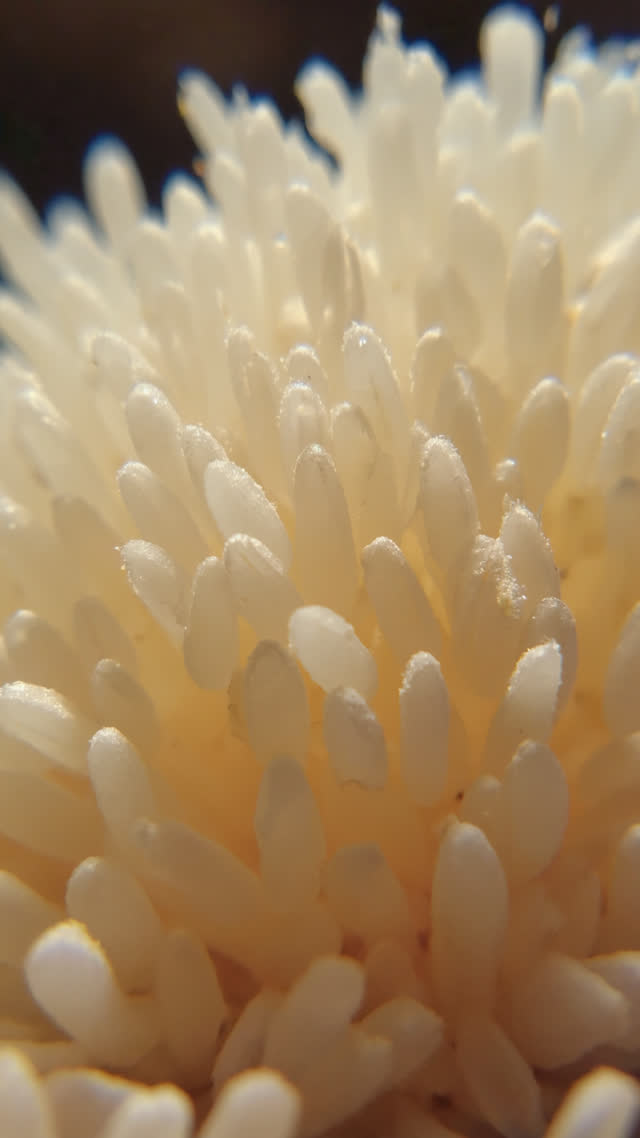
This series follows one mold. Koji — Aspergillus oryzae — was named the national fungus of Japan in 2006, and it stands behind sake, miso, soy sauce, mirin and vinegar. Not as a flavoring, but as the machine that breaks rice starch into sugar and protein into the amino acids we taste as umami.
Across eight parts we look at what koji actually does, why sake can ferment twice at the same time when no other brewed drink can, why miso ranges from pale gold to almost black, and why katsuobushi makers grow mold on dried fish four times over on purpose. We end in a kitchen where a pot of salted rice bran has to be stirred by hand two or three times a week, because it is alive.
Every part names the ministry, association or maker it came from. If you have ever wondered why Japanese food tastes the way it does, the answer is usually microbial, and usually deliberate.
-
01
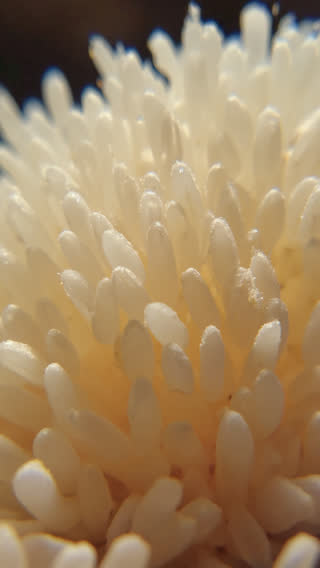 Why does Japan have a national fungus?
Japan Has a National Fungus
Read →
Why does Japan have a national fungus?
Japan Has a National Fungus
Read →
-
02
 How does koji create so many Japanese flavors?
The Mold Behind Every Flavor
Read →
How does koji create so many Japanese flavors?
The Mold Behind Every Flavor
Read →
-
03
 What can sake do that wine and beer cannot?
Two Fermentations, One Tank
Read →
What can sake do that wine and beer cannot?
Two Fermentations, One Tank
Read →
-
04
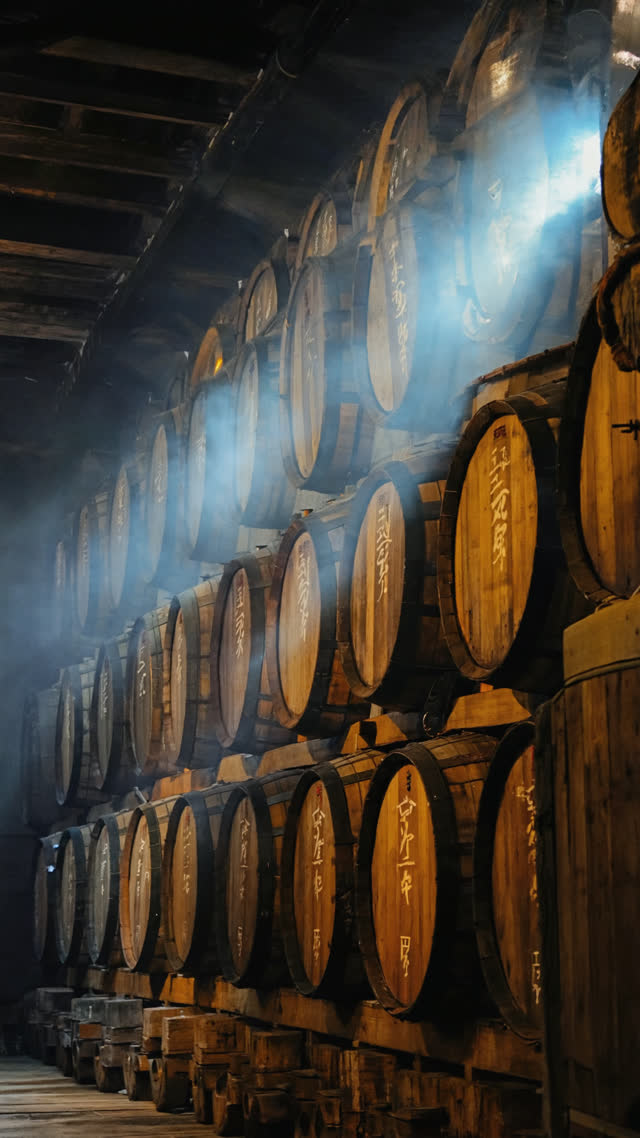
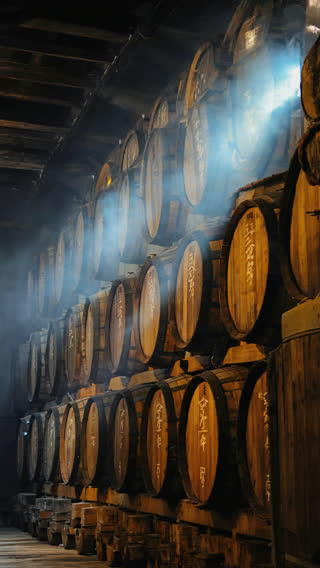 Who still makes the wooden barrels for Japanese soy sauce?
Japan Has One Barrel Maker
Read →
Who still makes the wooden barrels for Japanese soy sauce?
Japan Has One Barrel Maker
Read →
-
05
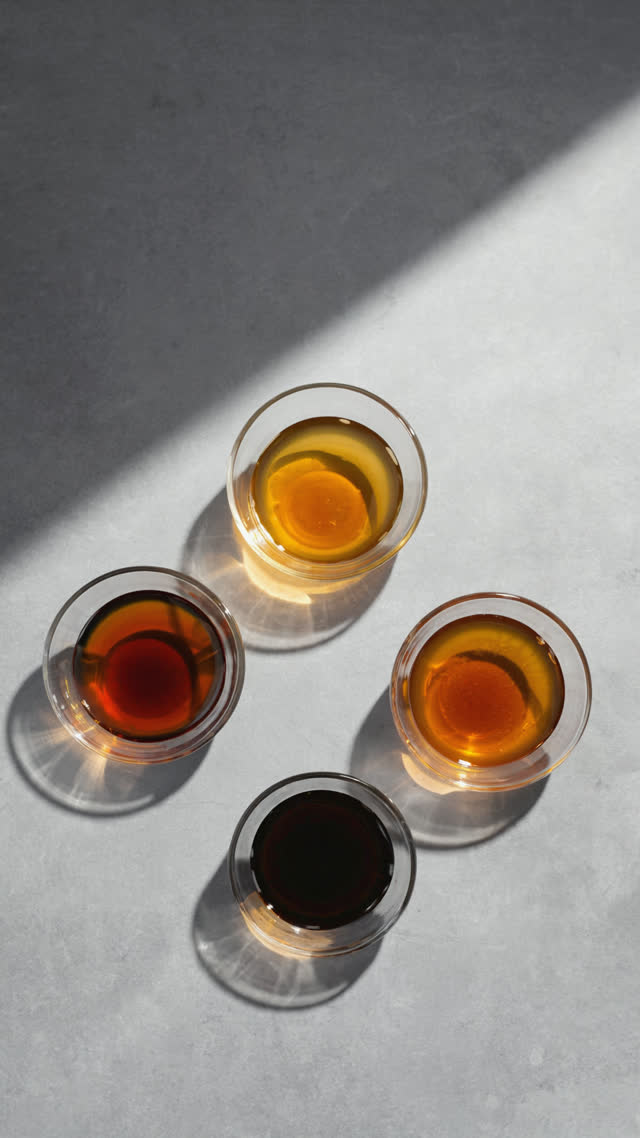
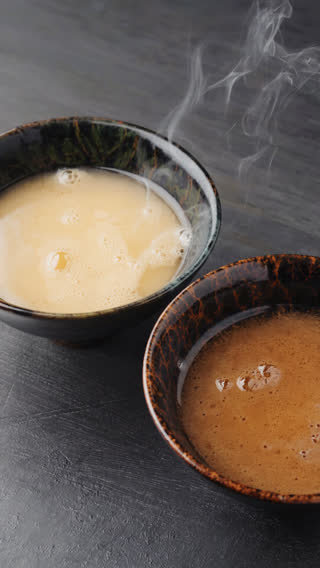 Why is miso sometimes pale gold and sometimes almost black?
Why Miso's Color Maps Japan
Read →
Why is miso sometimes pale gold and sometimes almost black?
Why Miso's Color Maps Japan
Read →
-
06
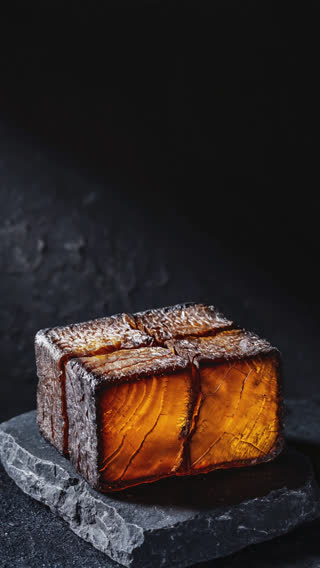 Why is mold grown on katsuobushi on purpose?
Katsuobushi: Mold, 4 Times
Read →
Why is mold grown on katsuobushi on purpose?
Katsuobushi: Mold, 4 Times
Read →
-
07
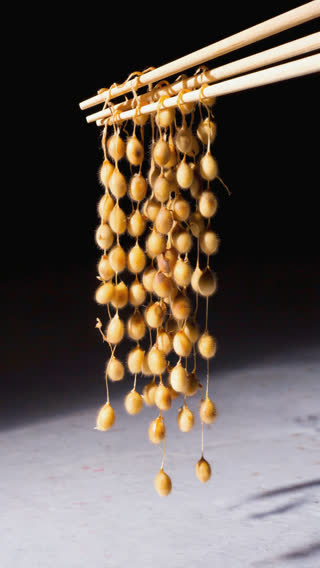 Where did natto come from?
Natto Came From Rice Straw
Read →
Where did natto come from?
Natto Came From Rice Straw
Read →
-
08
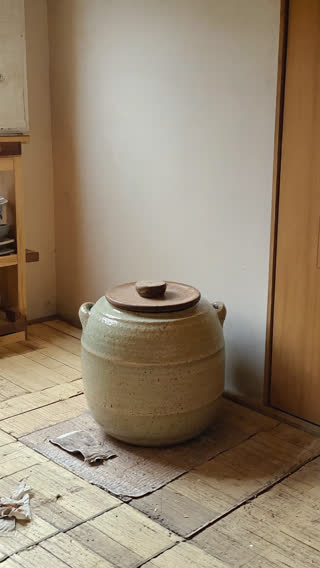 Why does a nukadoko pickle bed need a human hand?
The Pickle Bed That's Alive
Read →
Why does a nukadoko pickle bed need a human hand?
The Pickle Bed That's Alive
Read →
8 questions, each answered in one short and one article, and each traced to a primary source you can check yourself.
- Why does Japan have a national fungus?
- On October 12, 2006 the Brewing Society of Japan named koji mold — Aspergillus oryzae — the national fungus of Japan, with the name partly revised in 2015. Read →
- How does koji create so many Japanese flavors?
- Koji is a mold grown on steamed rice that produces enzymes in enormous amounts, breaking starch into sugar and protein into the amino acids we taste as umami. Read →
- What can sake do that wine and beer cannot?
- Sake ferments twice at the same time: koji turns rice starch into sugar while yeast is already eating that sugar. Read →
- Who still makes the wooden barrels for Japanese soy sauce?
- Wooden-barrel brewing accounts for under 1% of Japan's soy sauce, and only one workshop still builds the barrels. Read →
- Why is miso sometimes pale gold and sometimes almost black?
- Miso is one name for many fermentations, and the koji decides the color. Read →
- Why is mold grown on katsuobushi on purpose?
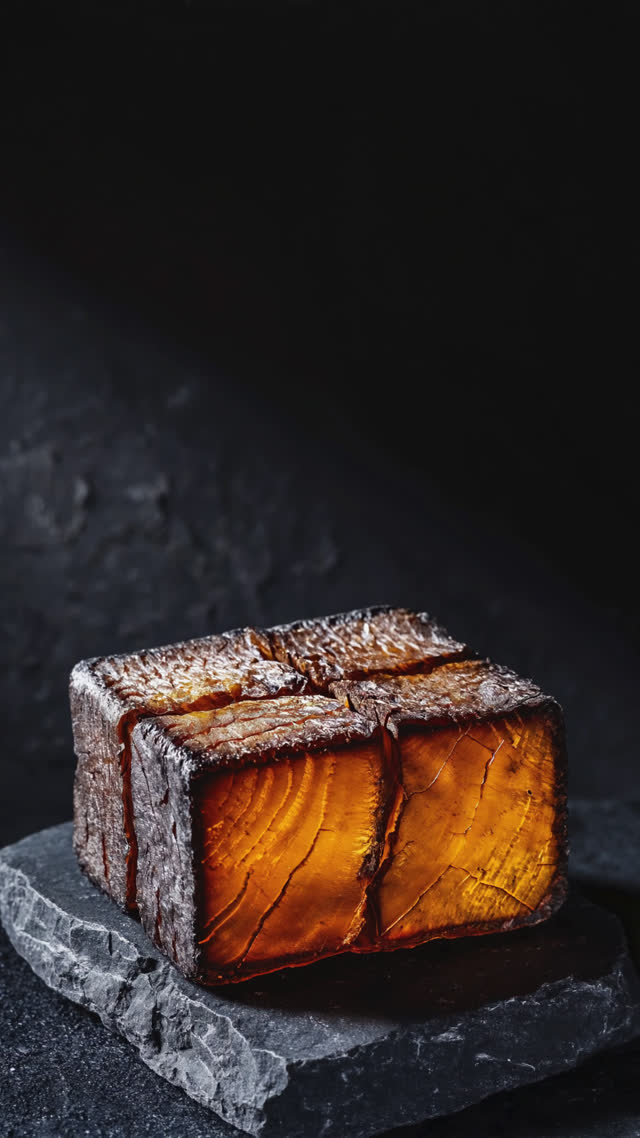
- Katsuobushi is skipjack tuna, simmered, boned and smoked over wood for weeks, then deliberately cultured with mold. Read →
- Where did natto come from?
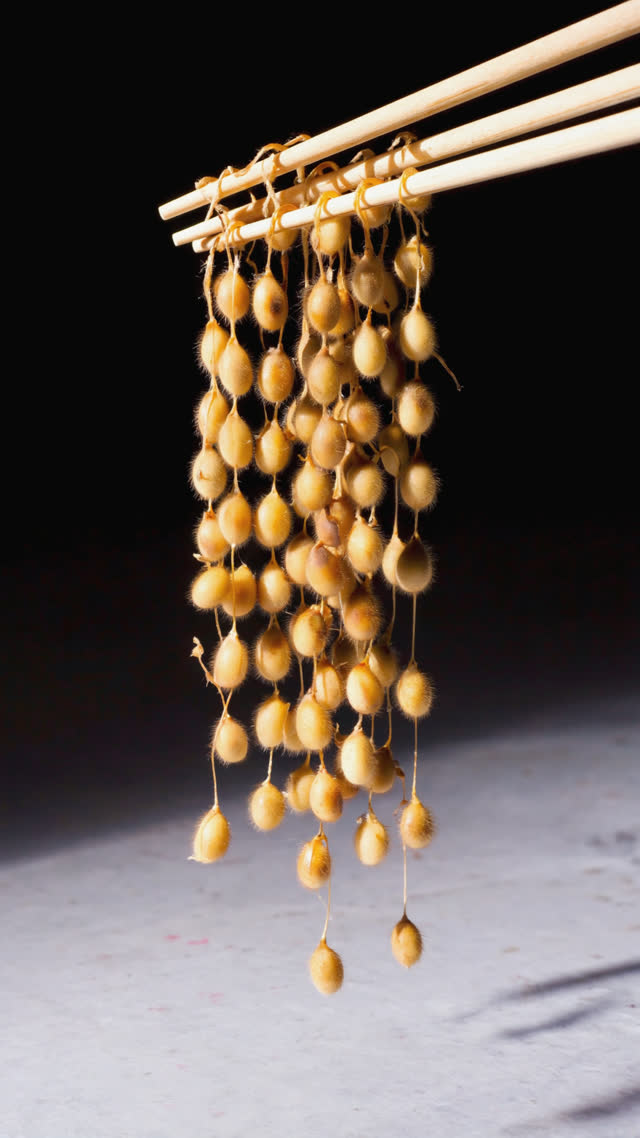
- Nobody invented natto: farmers wrapped hot boiled soybeans in rice straw and the beans fermented on their own, because rice straw carries Bacillus subtilis var. natto — the natto bacterium later isolated by the scientist Makoto Sawamura. Read →
- Why does a nukadoko pickle bed need a human hand?
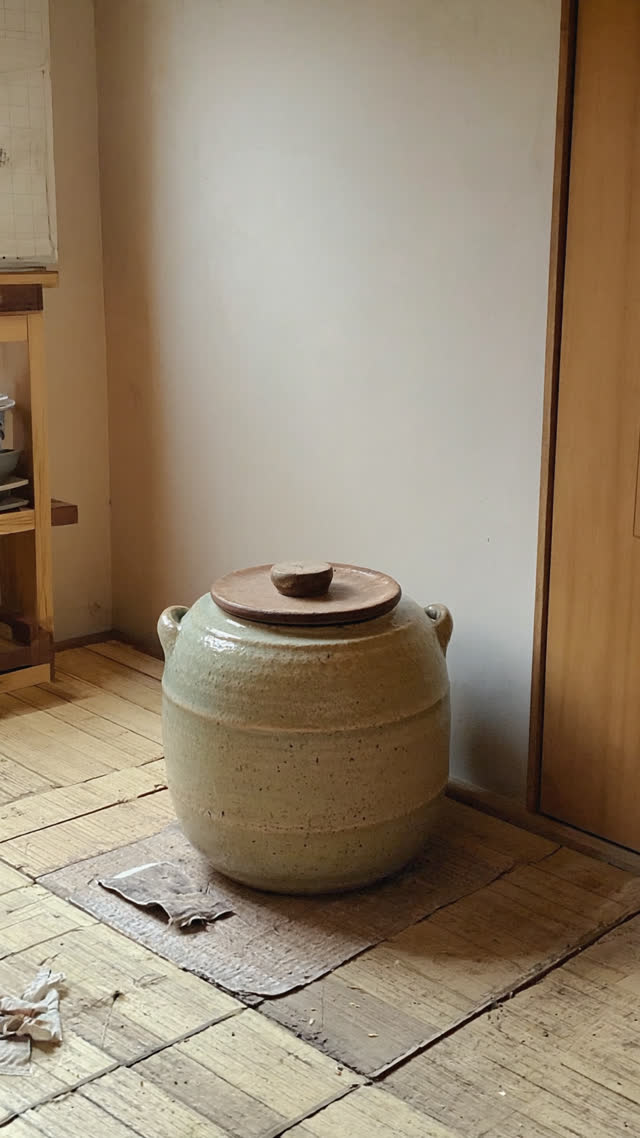
- Nukadoko is a bed of salted rice bran fermented by lactic acid bacteria, yeasts and other microbes — it is alive, and it stays healthy only if someone stirs it two or three times a week, and daily in the summer heat. Read →
Every part of this series ends somewhere you can actually stand. Here they are together.
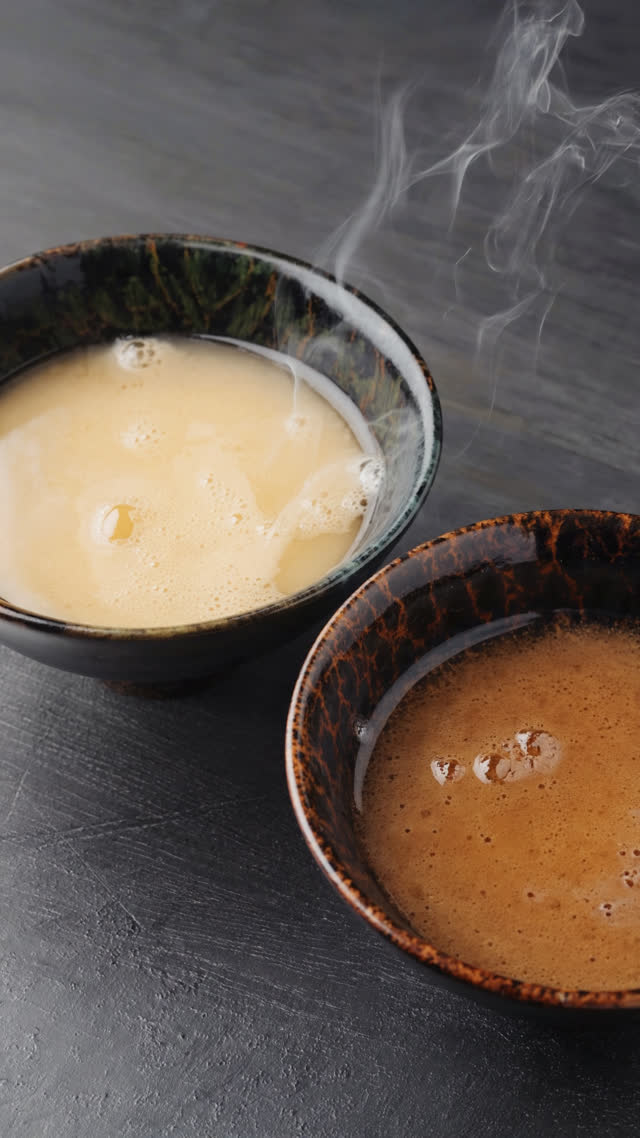
- In Japan, one bowl of miso soup is all it takes to taste it.Why does Japan have a national fungus?
- In Japan, order amazake — that sweetness comes from koji, not sugar.How does koji create so many Japanese flavors?
- See it at the Gekkeikan Okura Sake Museum in Fushimi, Kyoto (600 yen, three tastings), or free in Nada, Kobe.What can sake do that wine and beer cannot?
- On Shodoshima, Kagawa, the Marukin Soy Sauce Museum offers tours and moromi pressing.Who still makes the wooden barrels for Japanese soy sauce?
- In Okazaki, Aichi, Kakukyu opens its miso cellars for a free tour, hourly from 10:00 to 16:00, no reservation needed.Why is miso sometimes pale gold and sometimes almost black?
- In Yaizu, Shizuoka, Yamaju runs a shaving experience for 1,750 yen by reservation.Why is mold grown on katsuobushi on purpose?
- In Mito, Ibaraki, the Natto Nandemo Exhibition Hall at Mito Tengu Natto is free to enter, about ten minutes on foot from Mito Station.Where did natto come from?
- Make your own at Kyo-tsukemono Mori's Sanjo branch in Kyoto: about 45 minutes, 2,750 yen, reservation required.Why does a nukadoko pickle bed need a human hand?
Japanese terms in this collection
Each term is defined on the glossary from the story that uses it.
Sources behind these stories