Why is miso sometimes pale gold and sometimes almost black?
Why is one bowl of miso nearly black?
The short answer
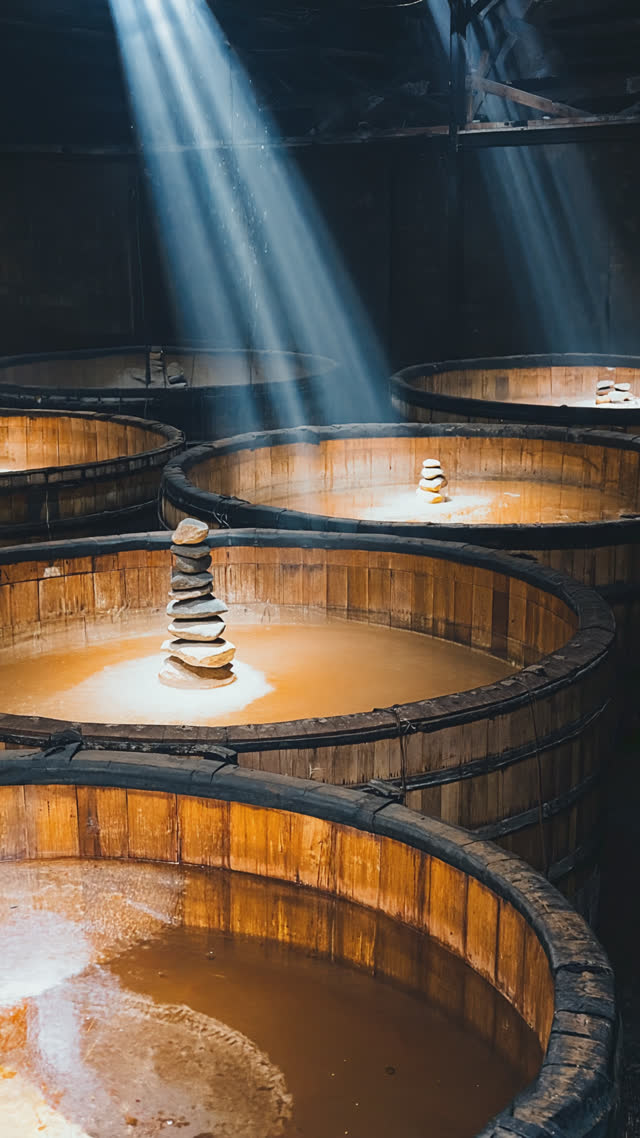
Miso is one name for many fermentations, and the koji decides the color. Rice koji makes the sweet white miso of Kyoto and the golden Shinshu miso of Nagano, barley koji makes the mellow country miso of Kyushu, and in Aichi soybeans alone become Hatcho miso, aged about two years in cedar vats under stacked stones.
Why Miso's Color Maps Japan
Why is one bowl of miso soup pale gold, and the next almost black?
Miso is one name for many fermentations. Rice koji makes the sweet white miso of Kyoto and the golden Shinshu miso of Nagano; barley koji makes the mellow country miso of Kyushu; and in Aichi, soybeans alone become Hatcho miso, aged about two years in cedar vats under stacked stones.
Both are miso soup
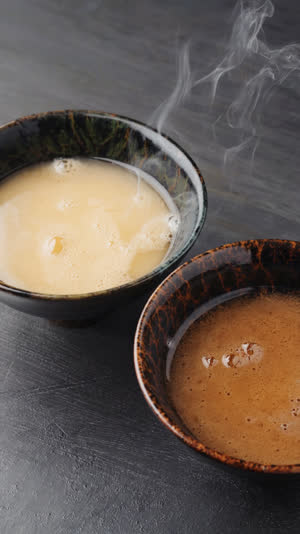
Both of these are miso soup.
If you learned miso from one region, you learned one version of it. The word covers a range wide enough that two bowls can share a name and share almost nothing else.
Kyoto ivory, Aichi black
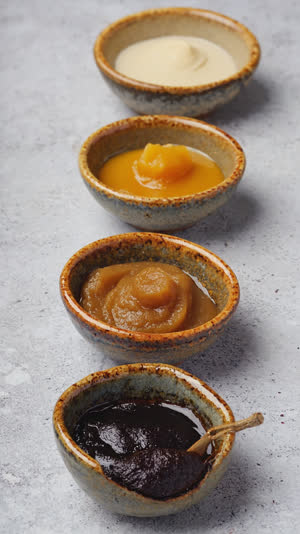
Kyoto's is ivory. Aichi's is nearly black.
Color tracks with taste here, not only with age. The pale one is light enough to drink hot in summer; the dark one is dense enough that a small spoonful seasons a whole pot.
One word, three fermentations
One word, miso — same hired mold, three different jobs.
The mold does not change from region to region. What changes is what it is asked to work on, and that single choice sets the color, the sweetness and the length of the ferment.
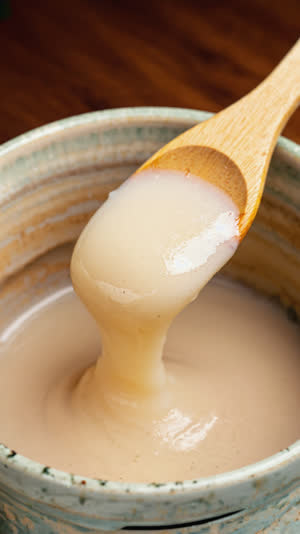
It's the koji
The difference is the koji: rice, barley, or pure soybean.
Growing koji on rice, on barley or on soybeans gives it different starch and protein to break down. Everything downstream — sugar, savoriness, color — follows from which grain the mold was raised on.
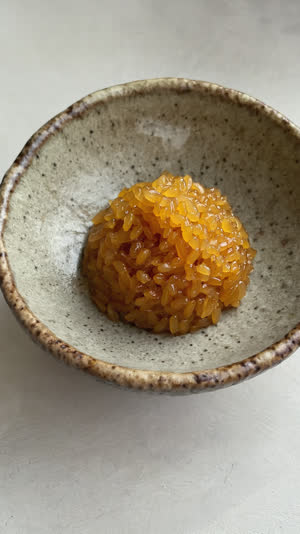
Kyoto's white miso
Rice koji, sweet and heavy, makes Kyoto's white miso.
Rice brings the most starch, so rice koji makes the most sugar. That is what puts this version at the sweet end of the range rather than the salty one.
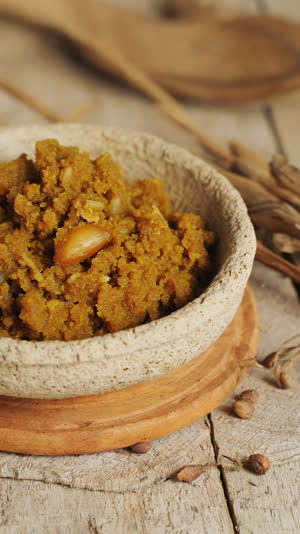
Nagano's golden miso
Nagano's Shinshu miso is golden — the one most Japanese eat.
Shinshu is the old name for the Nagano region, and its rice miso is the default across the country. So when a recipe simply says miso, this is the one most likely meant.
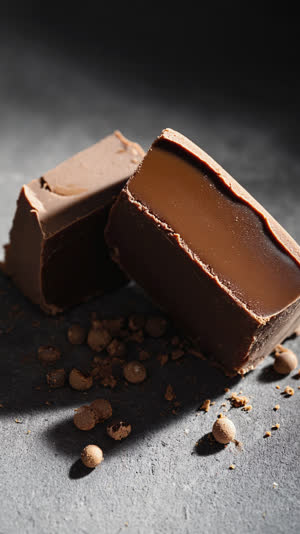
Kyushu's barley miso
Kyushu ferments barley koji into a mellow country miso.
Barley gives less starch than rice and a coarser grain character, which is why the style is often called country miso. It sits between the sweet and the dark ends of the range.
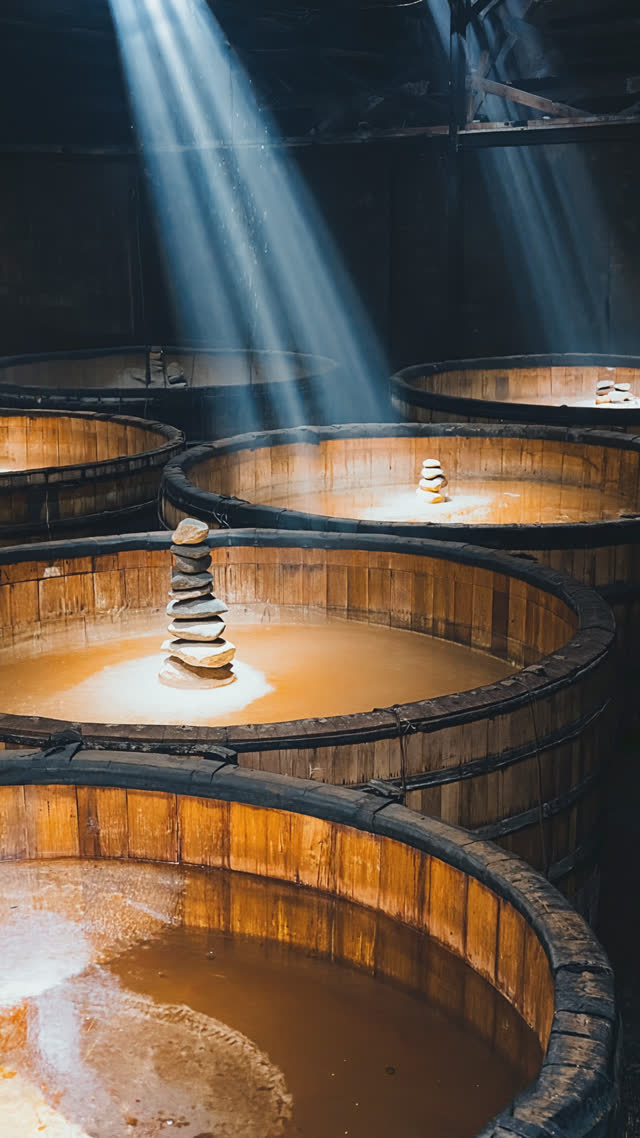
Aichi: soybeans only
Aichi uses soybeans alone. Nothing else.
With no grain in the mix there is very little starch, so almost no sugar is made. What is left is the protein conversion, and that is why the result reads savory rather than sweet.
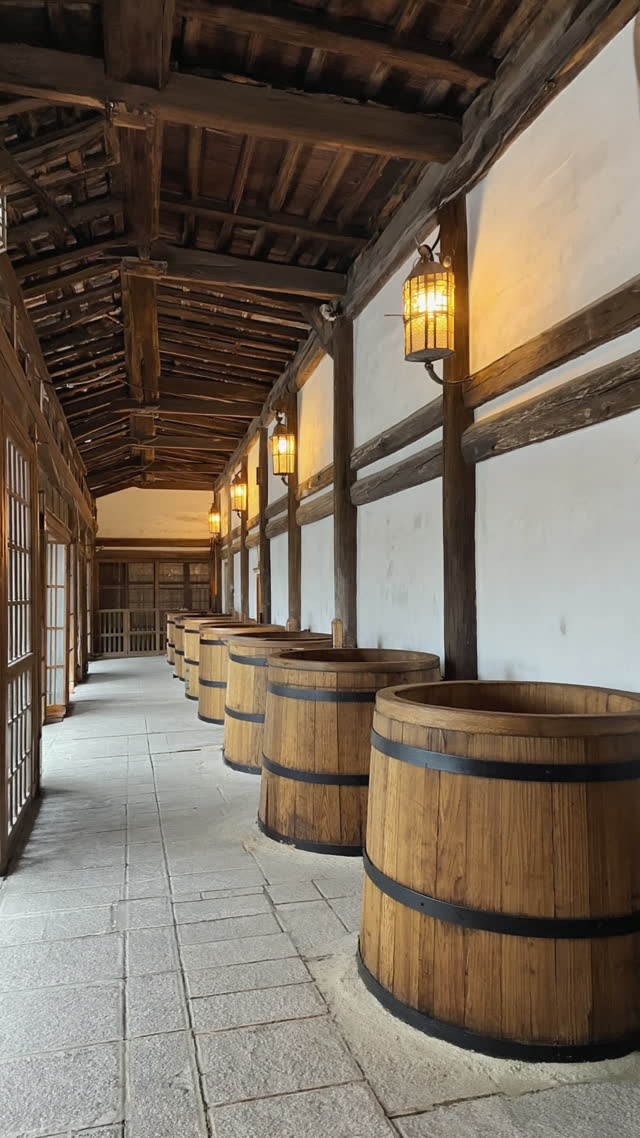
Two years under stones
Hatcho miso ages about two years under stacked river stones.
The stones are the press. Their weight squeezes moisture out over that time, concentrating everything left behind — which is how a paste with almost no sugar in it ends up this dark and this strong.
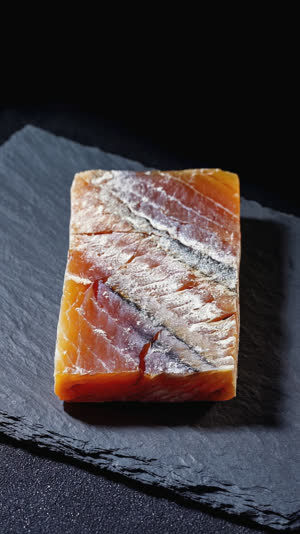
Kakukyu, Okazaki: free tour
In Okazaki, Kakukyu opens those cellars free, hourly, no booking.
Okazaki is in Aichi, so the tour shows the soybean-only style specifically. Seeing the vats with the stones still stacked on them makes the wait concrete in a way a label cannot.
The thread through Fermentation
Japan never fought the mold. It hired it.
Next: a fish so hard they grow mold on it.
Japanese terms in this story
Sources — primary only
Original Japanese source note
みそ健康づくり委員会「各地のみそ」で米みそ(信州=長野・白みその西京=京都)豆みそ(愛知の八丁味噌)麦みそ(九州)と分類・体験:愛知県岡崎市のカクキュー八丁味噌は工場見学無料・予約不要・10〜16時毎時00分開始約30分(全国味噌工業協同組合連合会・カクキュー)