Series · Everyday Life · 9 of 9
Why Japan is quiet, clean and orderly
Japan's rules are not enforced. They are agreed.
There are no wardens on a Japanese station platform, no fine for talking on a train, and almost no public bins on the street. The trains are still quiet and the street is still clean.
The usual explanations — discipline, conformity, rules — describe the result rather than the cause. Japan's own tourism guidance sums up good manners with a single idea: consideration for the other person sharing the space. What looks like a rulebook from outside is closer to an agreement nobody wrote down and everybody keeps.
Across nine parts we take the customs visitors notice first and trace each one back: why a tip gets chased down the street, why the car goes silent, which side of the escalator to stand on and why the official answer is neither, where the bins went in 1995 and never came back, where shoes stop, whether a tattoo closes an onsen door, why cash goes on a tray, and why the line forms without anyone asking.
Knowing the reason is more useful than memorizing the rule. You end up reading the situation instead of following instructions.
-
01
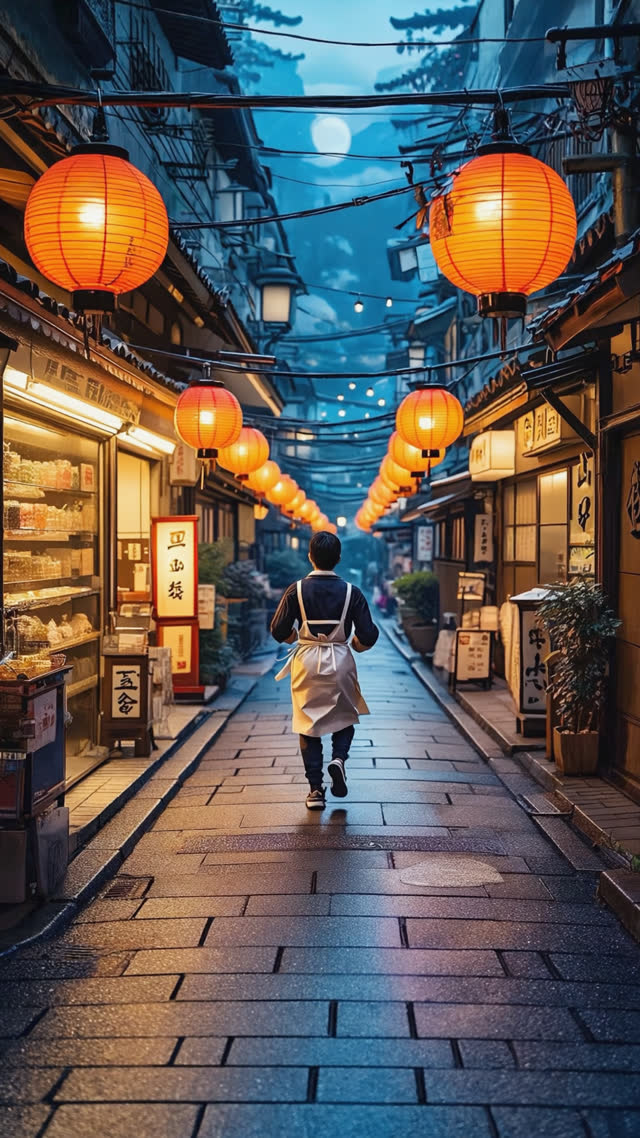
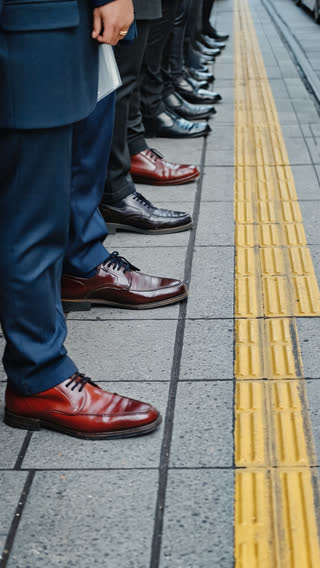 Why is Japan so quiet and clean?
Why Japan Is Quiet and Clean
Read →
Why is Japan so quiet and clean?
Why Japan Is Quiet and Clean
Read →
-
02
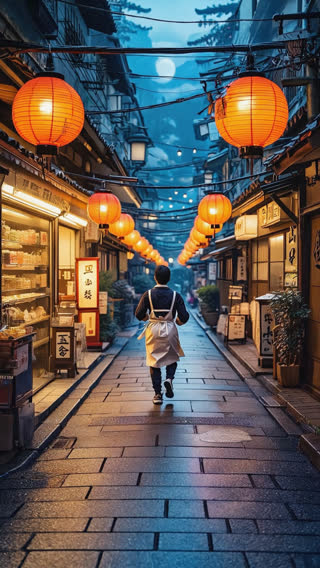 Should you tip in Japan?
Tip in Japan? They Chase You
Read →
Should you tip in Japan?
Tip in Japan? They Chase You
Read →
-
03
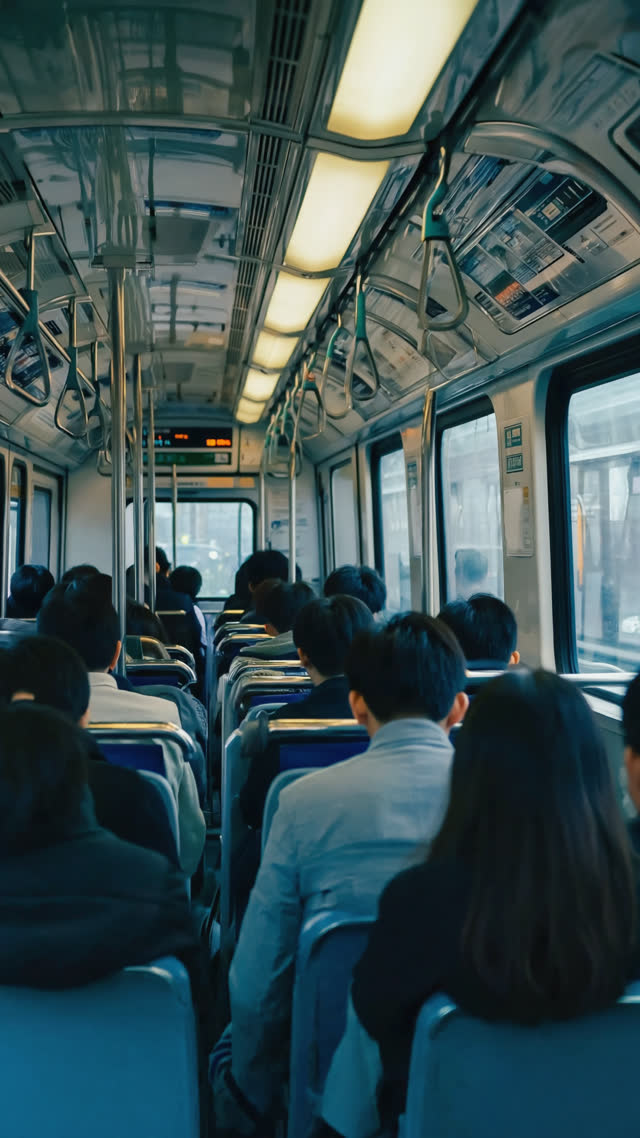
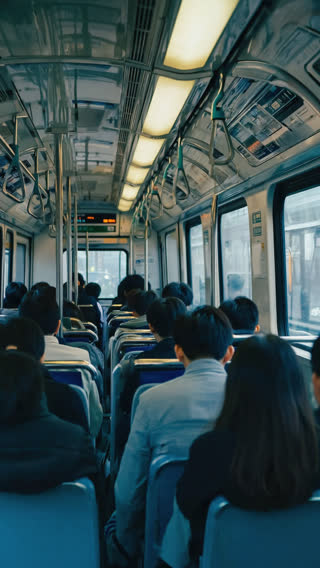 Why does nobody talk on Japanese trains?
The Silent Trains of Japan
Read →
Why does nobody talk on Japanese trains?
The Silent Trains of Japan
Read →
-
04
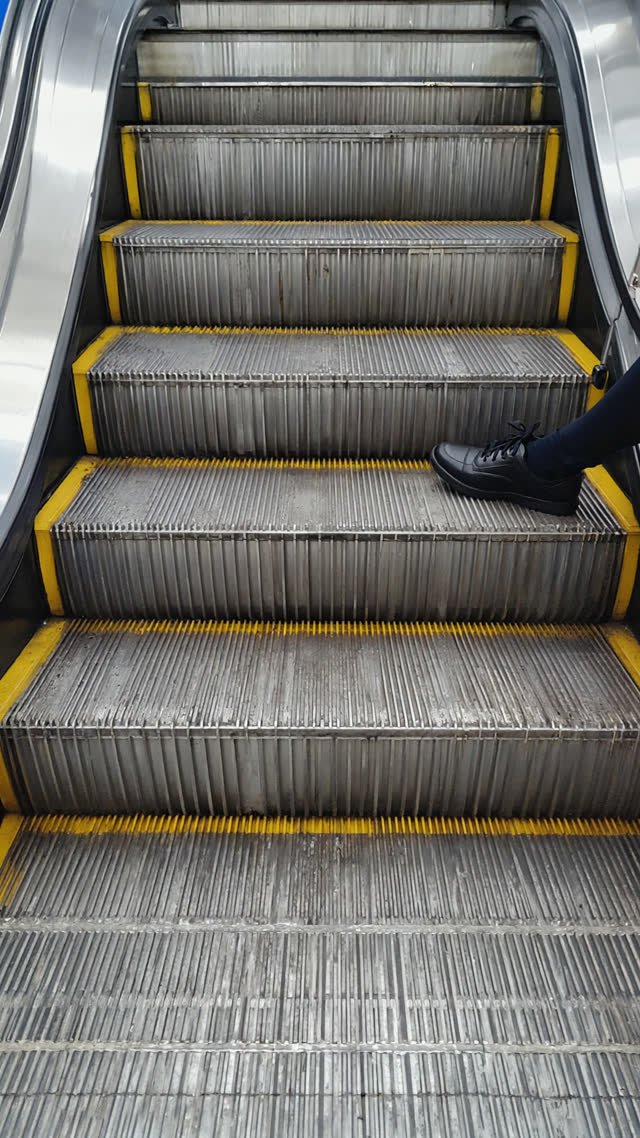
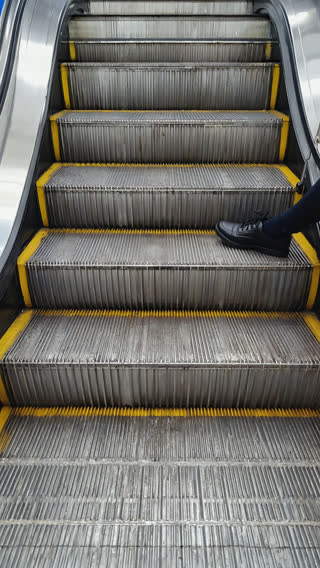 Which side do you stand on an escalator in Japan?
Tokyo Left, Osaka Right?
Read →
Which side do you stand on an escalator in Japan?
Tokyo Left, Osaka Right?
Read →
-
05
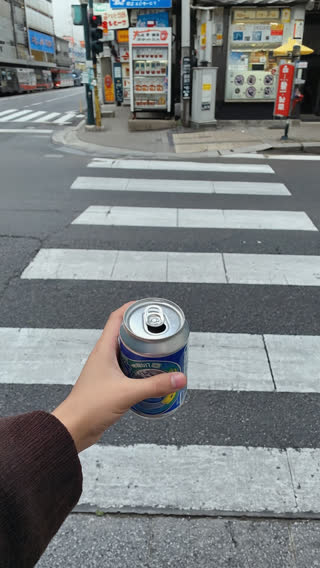 Why are there no trash cans in Japan, and no litter either?
No Trash Cans, Clean Streets
Read →
Why are there no trash cans in Japan, and no litter either?
No Trash Cans, Clean Streets
Read →
-
06
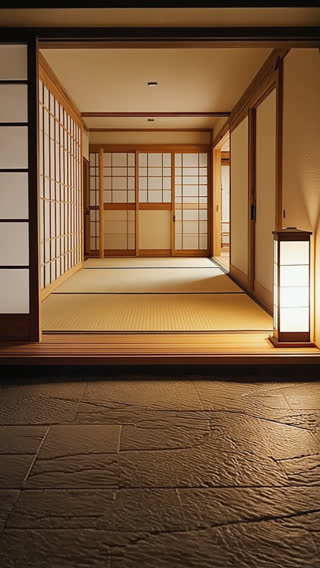 Where do you take your shoes off in Japan?
Why Shoes Stop at One Step
Read →
Where do you take your shoes off in Japan?
Why Shoes Stop at One Step
Read →
-
07
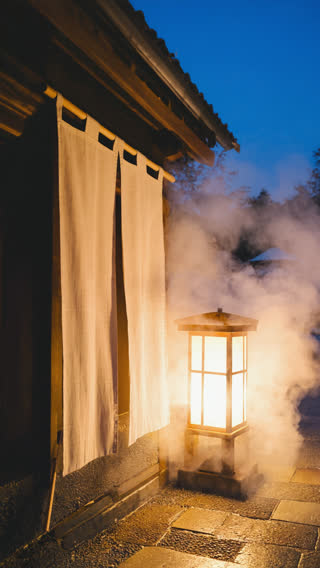 Can you enter an onsen with a tattoo?
Tattoos and Onsen: A Way In
Read →
Can you enter an onsen with a tattoo?
Tattoos and Onsen: A Way In
Read →
-
08
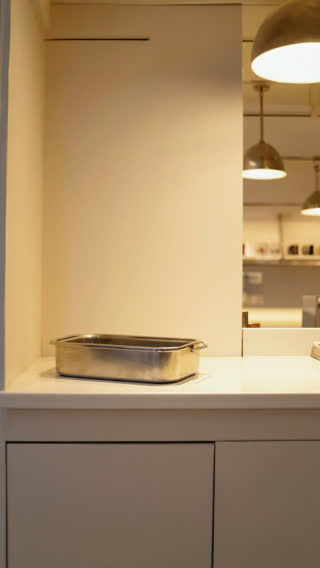 Why do you put money on a tray in Japan?
Why Cash Goes on a Tray
Read →
Why do you put money on a tray in Japan?
Why Cash Goes on a Tray
Read →
-
09
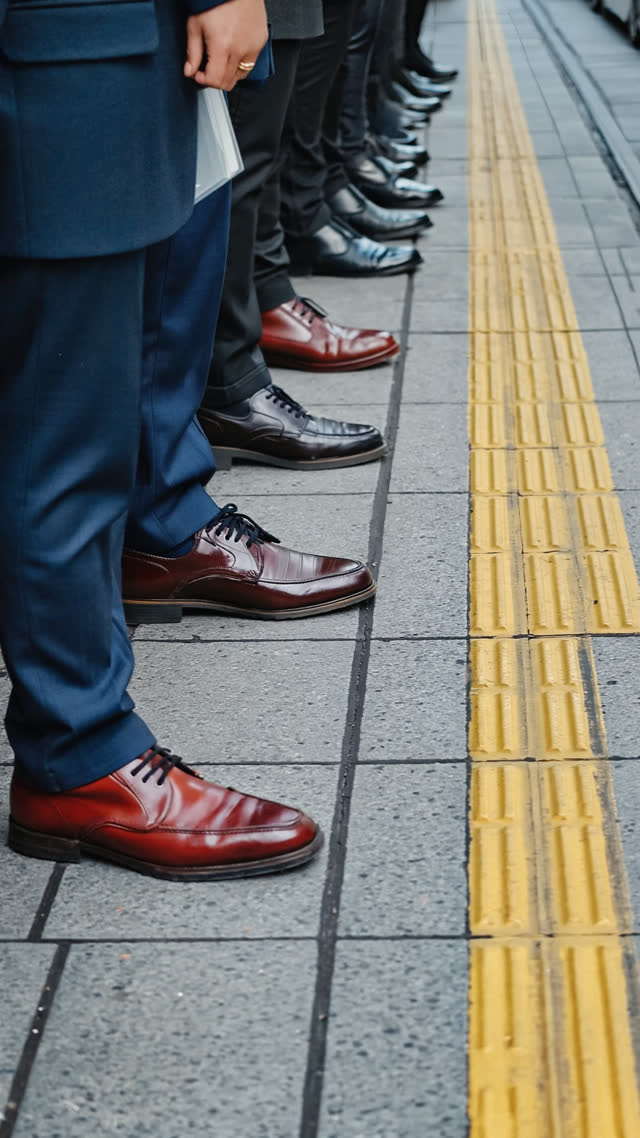
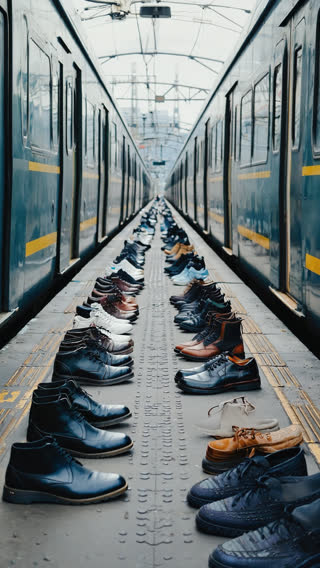 Why do people in Japan queue without being told?
Why Japan Trusts the Line
Read →
Why do people in Japan queue without being told?
Why Japan Trusts the Line
Read →
9 questions, each answered in one short and one article, and each traced to a primary source you can check yourself.
- Why is Japan so quiet and clean?
- Not enforcement, but agreement. Read →
- Why does nobody talk on Japanese trains?
- Because the operators ask and riders agree: JR East and Tokyo Metro officially ask passengers to switch phones to silent mode and refrain from calls. Read →
- Which side do you stand on an escalator in Japan?
- Tokyo stands on the left and Osaka on the right, but Japan's official answer is not to walk at all. Read →
- Why are there no trash cans in Japan, and no litter either?
- Most street bins were removed after March 1995, in the wake of an attack on Tokyo's subway, and they never returned; in their place grew the habit of carrying trash home. Read →
- Where do you take your shoes off in Japan?
- At the agarikamachi — a single raised step that has marked the border between outside and inside in Japanese homes for centuries. Read →
- Can you enter an onsen with a tattoo?
- Sometimes, and increasingly. Read →
- Why do you put money on a tray in Japan?
- The small counter tray is called a karuton, a word taken from the French “carton” and already listed in a Japanese dictionary in 1918. Read →
- Why do people in Japan queue without being told?
- Because the line is official infrastructure, not improvisation: organized boarding, seiretsu-josha, is a defined term in the Japan Private Railway Association's glossary, and JR East's FAQ asks riders to form two lines at marked positions. Read →
Every part of this series ends somewhere you can actually stand. Here they are together.
- On your first day, join a station queue and feel how naturally the system welcomes you.Why is Japan so quiet and clean?
- On your first bill in Japan, pay the exact amount with a smile — that is perfect manners.Should you tip in Japan?
- On day one, ride one stop in silence and feel the whole car relax.Why does nobody talk on Japanese trains?
- On day one, plant your feet, hold the rail, and ride like a local.Which side do you stand on an escalator in Japan?
- On day one, pocket a small bag for your wrappers and enjoy the freedom.Why are there no trash cans in Japan, and no litter either?
- On your first day in Japan, pause at the step and slip your shoes off smoothly — you'll feel the house begin.Where do you take your shoes off in Japan?
- Check the policy before you go, or pack a cover sticker — the water is worth it.Can you enter an onsen with a tattoo?
- On your first purchase in Japan, lay your coins flat on the tray like a local.Why do you put money on a tray in Japan?
- Now you know the why behind each manner — come practice them in Japan, where rules feel like rituals.Why do people in Japan queue without being told?
Japanese terms in this collection
Each term is defined on the glossary from the story that uses it.
Sources behind these stories