The short answer
No. JNTO, Japan's official tourism organization, states on its Tipping in Japan page that there is no tipping custom here — money left on a table reads as forgotten, and staff may chase you down the street to return it. Good service is the standard, not an upgrade you pay for.
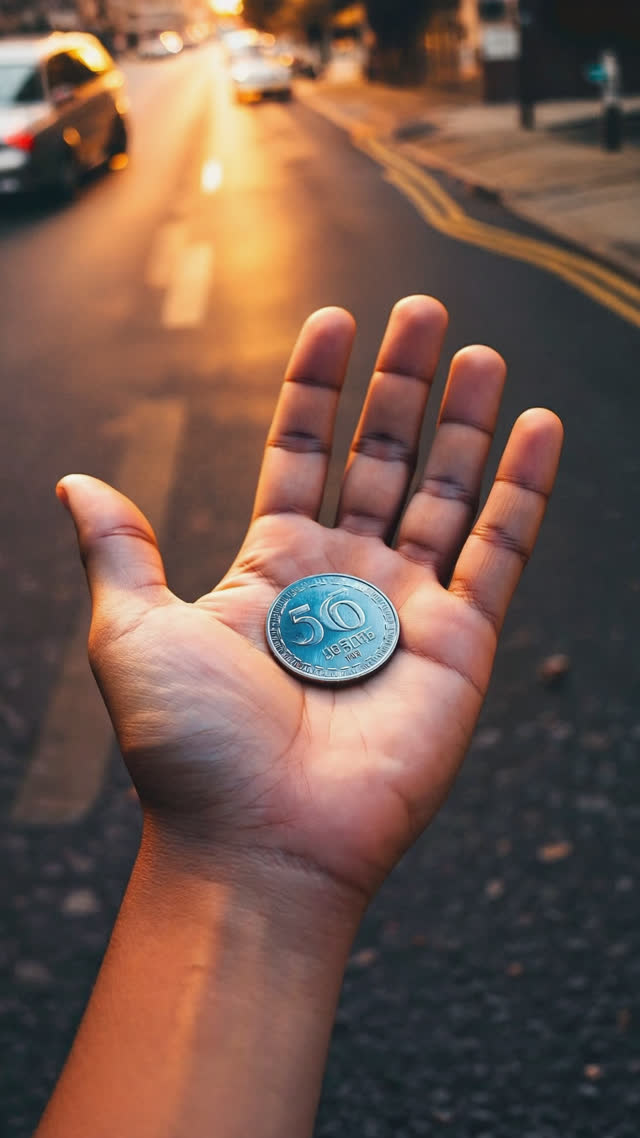
Tip in Japan? They Chase You
In Japan, leaving a tip can send a waiter running down the street — to give it back.
JNTO, Japan's official tourism organization, states it clearly on its Tipping in Japan page: there is no tipping custom here. Money left on a table reads as forgotten, and staff may chase you to return it. Good service is the standard, not an upgrade you pay for.
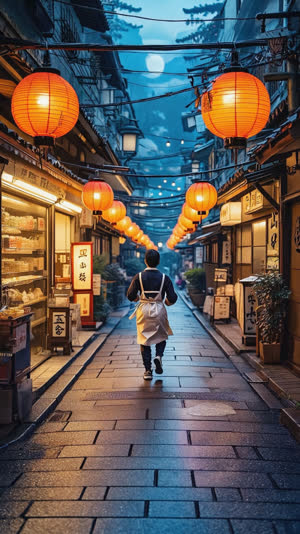
She chased after us
She ran two blocks after us.
The reaction that surprises visitors is the effort. Returning a small amount of money at a run is disproportionate unless the money means something other than a tip.
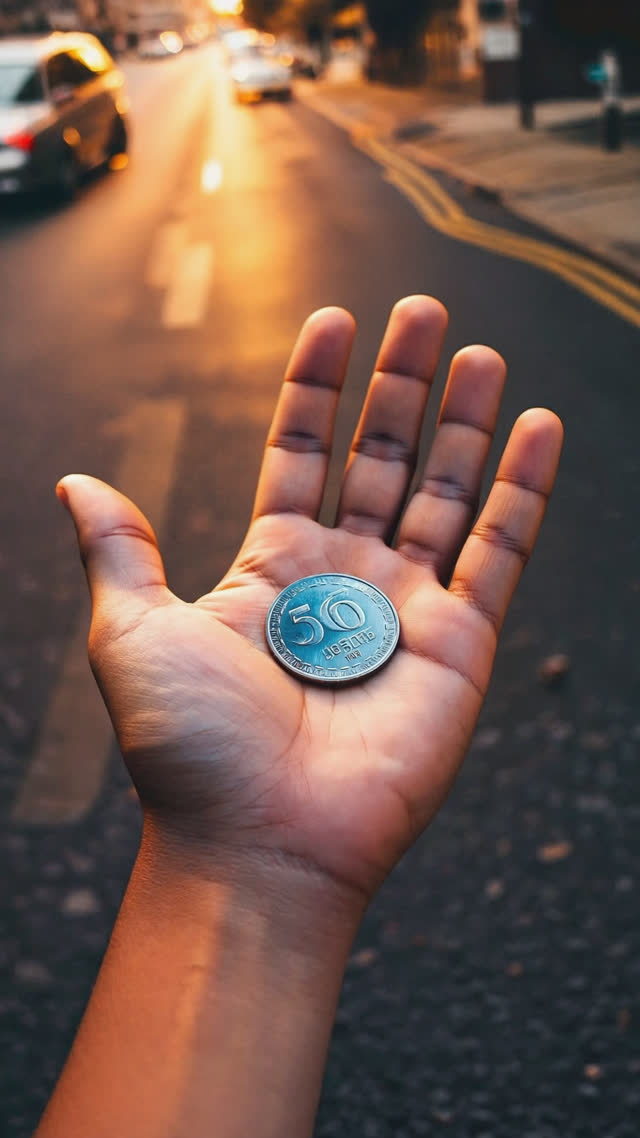
Our 500 yen, returned
In her hand: the five hundred yen we left as thanks.
The sum was small enough to be trivial and large enough to be noticed. That is precisely the range that reads as forgotten cash rather than as a gratuity.
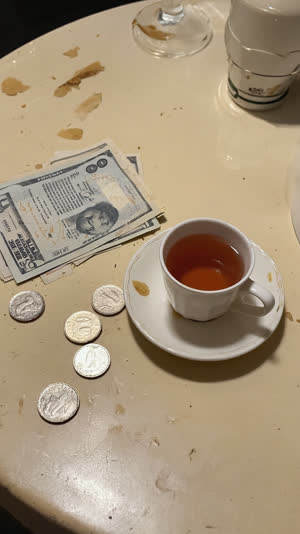
She thought we forgot it
Not anger. She thought we'd forgotten our money.
This is the whole misunderstanding in one sentence. There is no category here for money left deliberately on a table, so the only available reading was that a customer had made a mistake.
No tipping custom
Japan's official travel site JNTO says it plainly: no tipping custom.
The statement has its own page, which tells you how often the question comes up. It is written for visitors because residents never needed it explained.
Staff may chase you
It even warns: leave money, and staff may chase you.
A tourism body warning you about being chased is unusual guidance. It exists because the well-meant gesture creates work and awkwardness for the person receiving it.
Care, not currency
Courtesy here isn't a transaction — it's strangers caring for strangers.
The series thesis, applied to money. A tip prices the attention you received; the arrangement here assumes the attention was never for sale in the first place.
Service is the standard
Great service is simply the standard — already included in everything.
If the service level does not vary with payment, there is nothing for a tip to purchase. That is why adding one does not read as generous but as a misunderstanding of what happened.
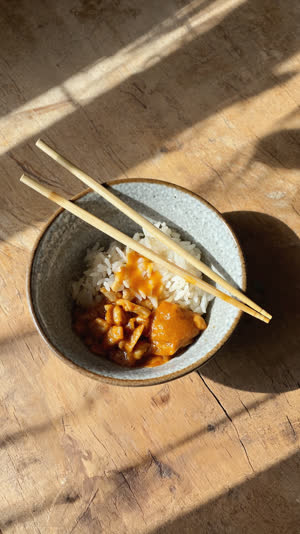
Just say gochisousama
Want to thank someone? Words work: gochisousama — what a feast.
The substitute for the money is a sentence. It costs nothing, it is understood anywhere food is served, and it lands as thanks rather than as payment.
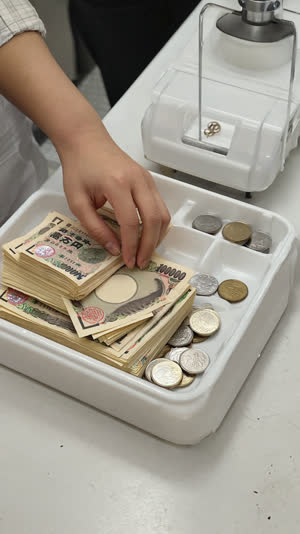
Pay exact, no tip
Day one: pay the exact bill, bow slightly, walk out proud.
Exact is genuinely correct here, including the coins. Nothing about leaving the change behind improves the exchange, and taking it completes it.
The thread through Manners
Japan's rules are not enforced. They are agreed.
Next: a packed Tokyo train — so why does nobody talk?
Sources — primary only
Original Japanese source note
JNTO公式に「Tipping in Japan」ページがあり「チップの習慣はない」と明記・置いて帰ると店員が返しに追いかけてくる場合もあると案内(JNTO/japan.travel)