The short answer
Because the operators ask and riders agree: JR East and Tokyo Metro officially ask passengers to switch phones to silent mode and refrain from calls. In a sealed car one voice reaches everyone, so quiet became the way strangers share the ride — and the custom evolves, with thirty-seven rail operators relaxing the priority-seat rule on October 1, 2015 to power off only when crowded.
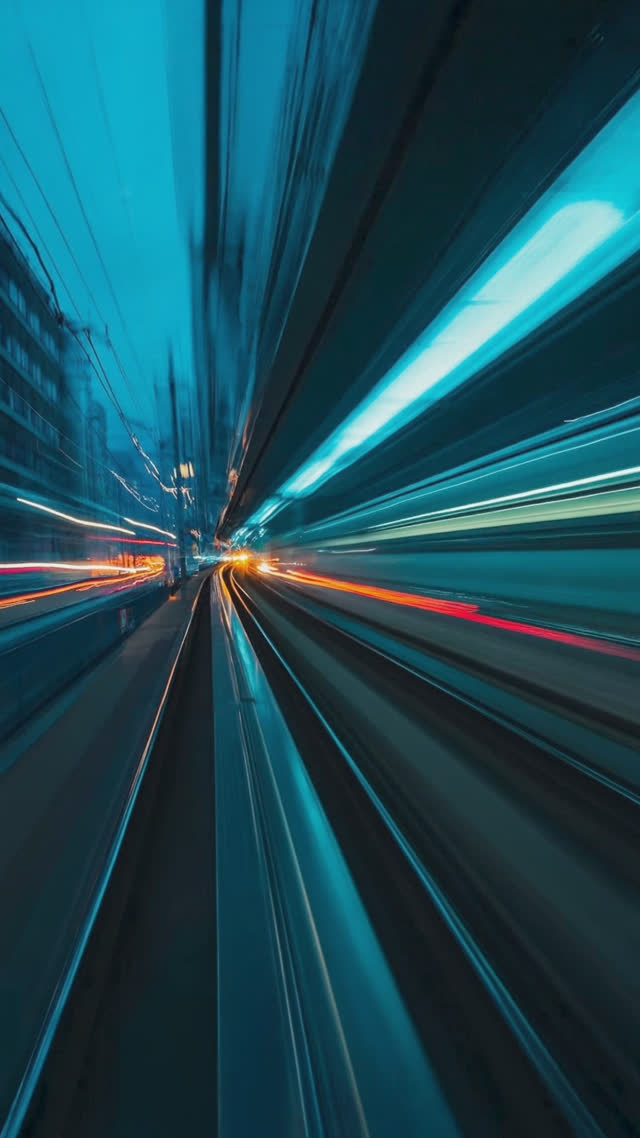
The Silent Trains of Japan
Two hundred people in one Tokyo train car — and the loudest sound is the rails.
JR East and Tokyo Metro officially ask riders to switch phones to silent mode and refrain from calls. In a sealed car your voice reaches everyone, so quiet became the way strangers share the ride. The custom even evolves: on October 1, 2015, thirty-seven rail operators relaxed the priority-seat rule to power off only when crowded.
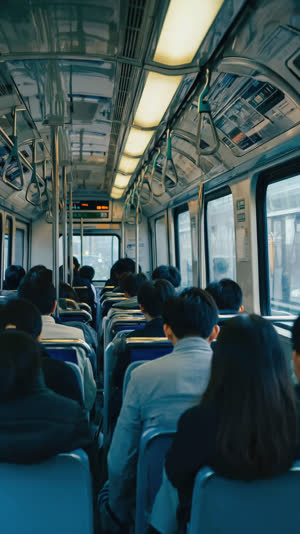
A full car, silent
Listen. Two hundred people, total quiet.
That is a normal load for one car at that hour. Quiet at such density is not an absence of anything — it is something the whole car is actively doing.
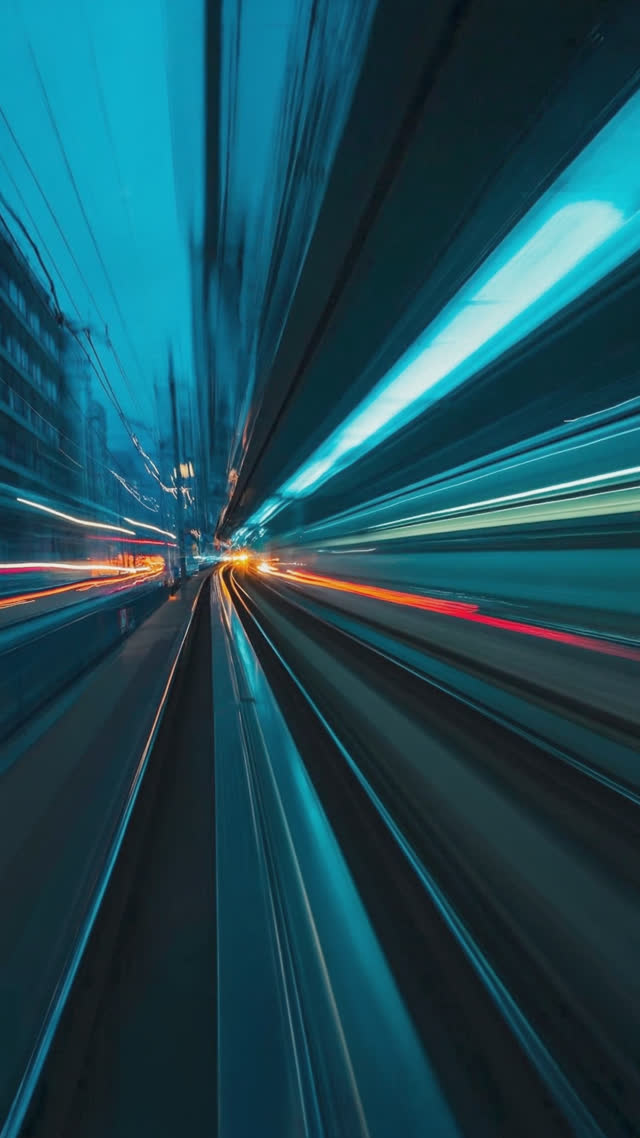
Only the rails hum
A packed Tokyo train — the loudest sound is the rails.
When conversation drops below mechanical noise, the mechanical noise becomes the background of the city. Visitors often notice the sound of the train itself for the first time here.
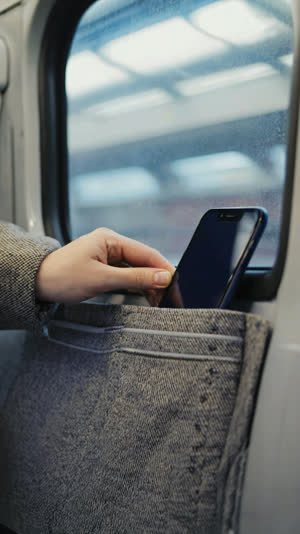
No calls onboard
No ringtones. No calls. Just people riding quietly together.
Phones are in use throughout the car; they are simply silent. The custom is about output rather than about abstaining from the device.
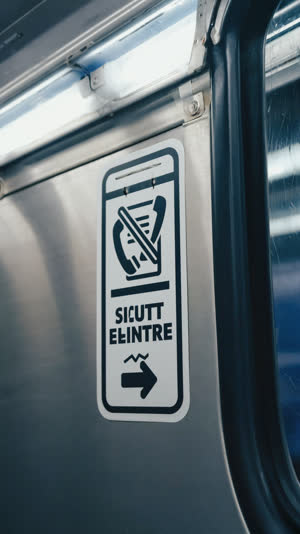
Official request: silent mode
JR East and Tokyo Metro ask riders: silent mode, no calls.
Both are requests, printed and announced rather than enforced. No inspector removes anyone for talking, which is what makes the compliance rate the interesting part.
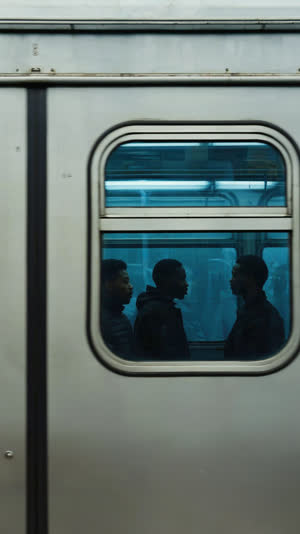
Sound can't escape
In a sealed car, your voice reaches everyone. Nobody can leave.
This is the physical fact underneath the custom. On a street a raised voice disperses; in a closed car it is delivered to every passenger, none of whom chose to receive it.
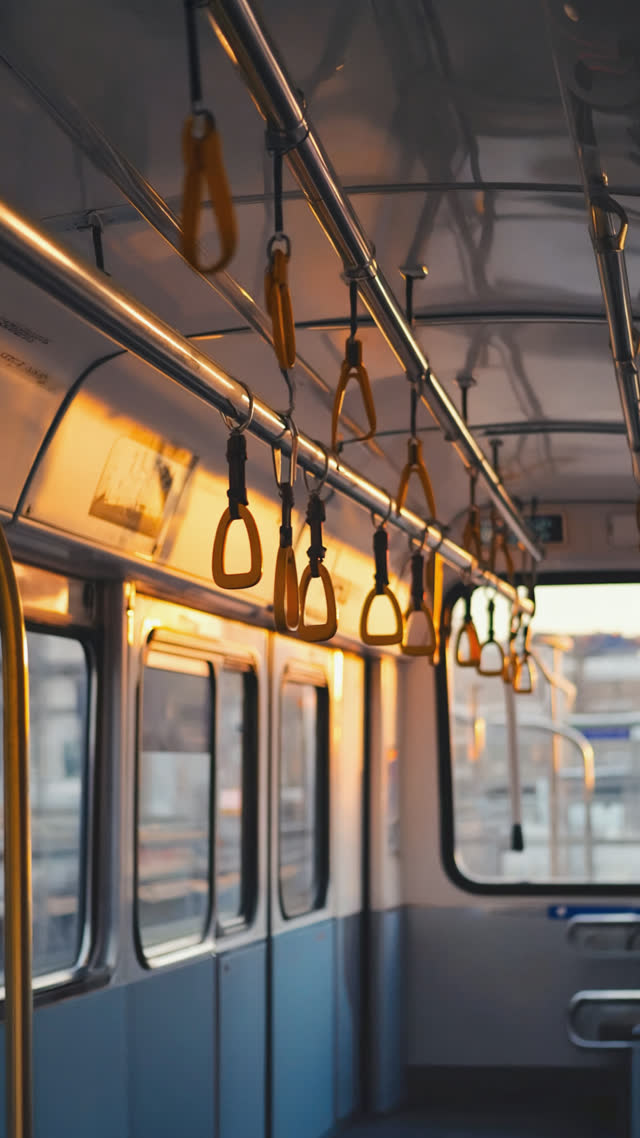
Silence is sharing
Silence isn't a rule — it's how two hundred strangers share one car.
The series thesis in its clearest setting. The car is a shared resource with a fixed volume, and quiet is the way that volume gets divided without anyone negotiating.
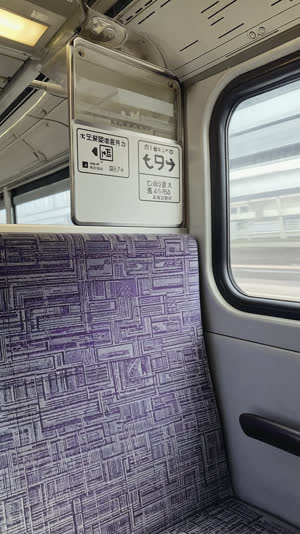
37 railways, one update
In 2015, thirty-seven railways relaxed one rule: power off only when crowded.
Thirty-seven operators moving together shows this is coordinated rather than customary drift. It also shows the direction of travel: the rule loosened as the reason for it weakened.
Manners evolve too
Even manners get updated here — courtesy runs on care, not commandments.
A rule that can be relaxed was never a taboo. It existed for a practical reason, and when the reason weakened the operators adjusted it rather than defending the form.
Ride one stop quietly
Ride one quiet stop on day one. Feel the car relax.
One stop is enough. The thing to notice is not the silence itself but how little effort it takes to join it once you are inside.
The thread through Manners
Japan's rules are not enforced. They are agreed.
Next: Tokyo stands left, Osaka stands right. Officially? Both are wrong.
Sources — primary only
- JR East
- Tokyo Metro
- Toei Transportation
Original Japanese source note
JR東日本・東京メトロ公式が「通話は控えマナーモードに」と案内・2015年10月1日にJR東日本など37社局が優先席付近ルールを「混雑時のみ電源オフ」に変更(東京メトロ・都営交通公式)