Topic · Food & Drink
Japanese food culture: why it tastes the way it does
Washoku, sweets, drinks, and the manners around the table.
Two things shape Japanese food more than any recipe: a climate that ferments everything, and a set of table manners that all descend from one idea. This topic holds both.
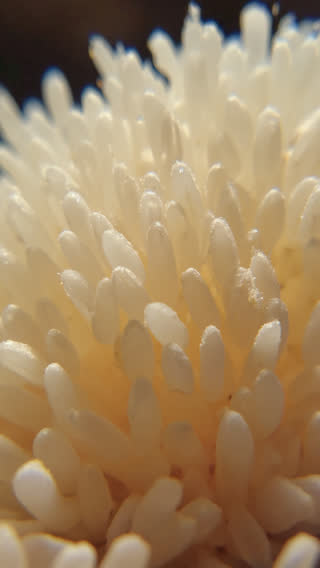
On one side, the microbes. A single mold was named Japan's national fungus in 2006 and stands behind sake, miso, soy sauce, mirin and vinegar. Makers grow mold on dried fish on purpose, and a pot of salted rice bran in a home kitchen has to be stirred by hand to stay alive.
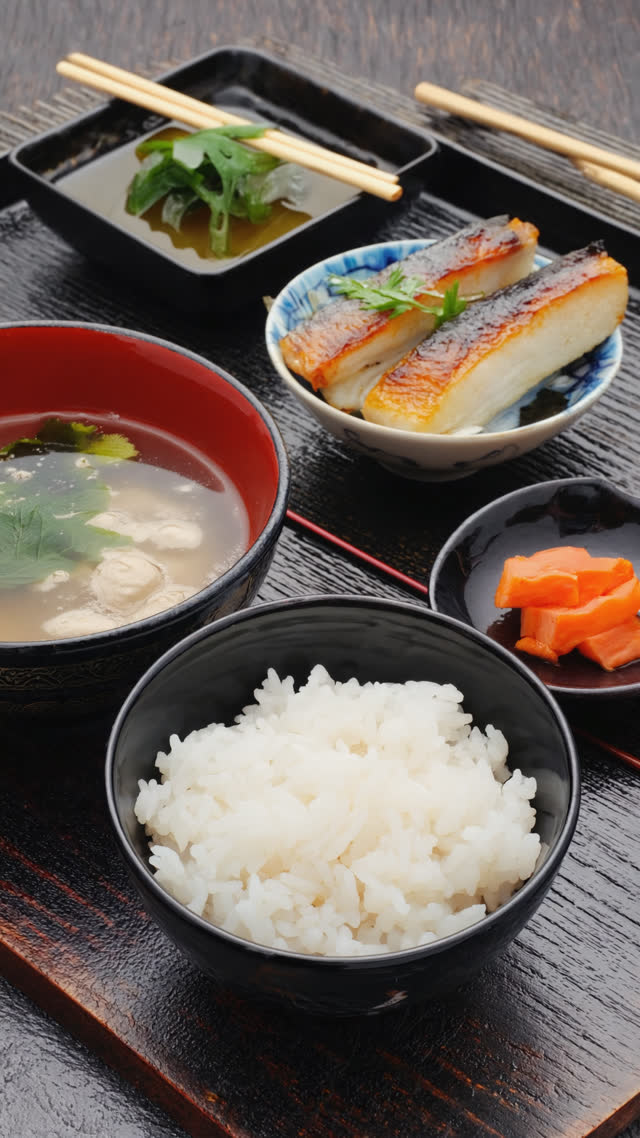
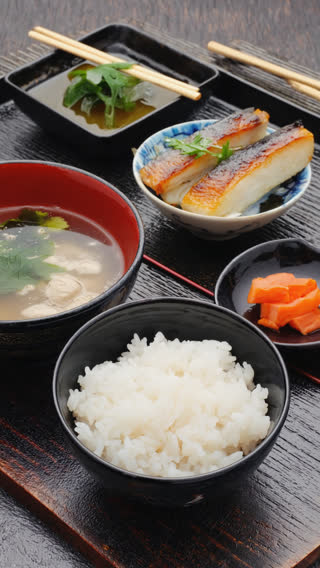
On the other, the table. UNESCO listed washoku as Intangible Cultural Heritage in 2013 and named respect for nature as its core — which is why rice sits on the left, why two chopstick moves are avoided, and why the meal opens and closes with a word rather than a toast.
Every story below answers one question and names the ministry, association or maker it came from.
Each series below is one continuous argument. The thesis is stated in the first part and restated in every part after it.




Every story here answers one question and names the ministry, prefecture, association or maker it came from. 16 questions in this topic.
- Why does Japan have a national fungus?
- On October 12, 2006 the Brewing Society of Japan named koji mold — Aspergillus oryzae — the national fungus of Japan, with the name partly revised in 2015. Read →
- How does koji create so many Japanese flavors?
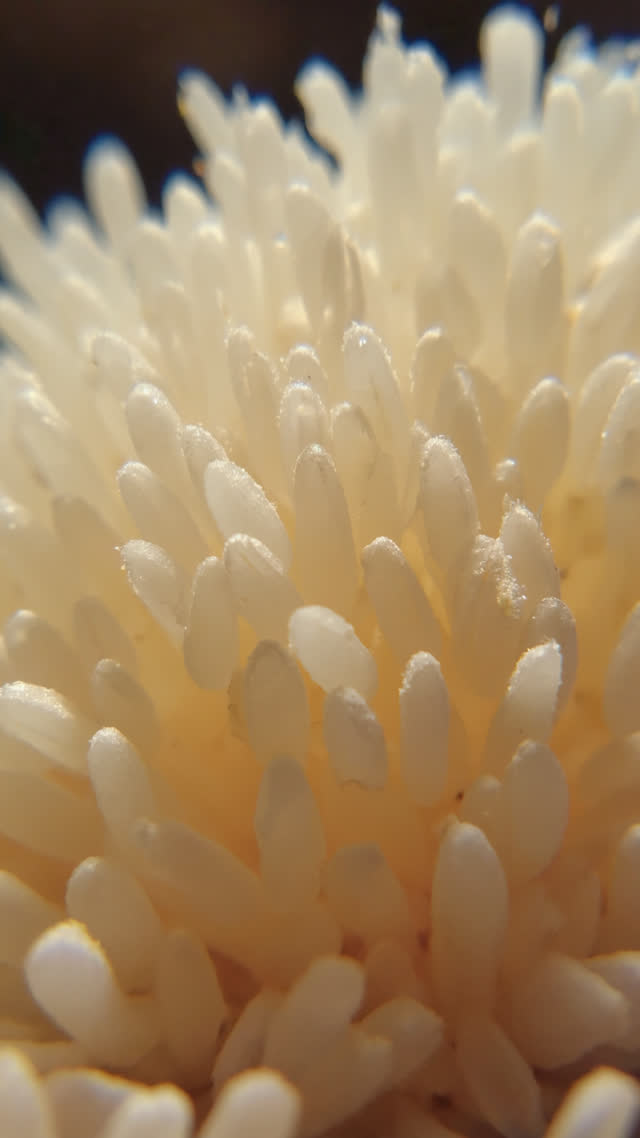
- Koji is a mold grown on steamed rice that produces enzymes in enormous amounts, breaking starch into sugar and protein into the amino acids we taste as umami. Read →
- What can sake do that wine and beer cannot?
- Sake ferments twice at the same time: koji turns rice starch into sugar while yeast is already eating that sugar. Read →
- Who still makes the wooden barrels for Japanese soy sauce?
- Wooden-barrel brewing accounts for under 1% of Japan's soy sauce, and only one workshop still builds the barrels. Read →
- Why is miso sometimes pale gold and sometimes almost black?
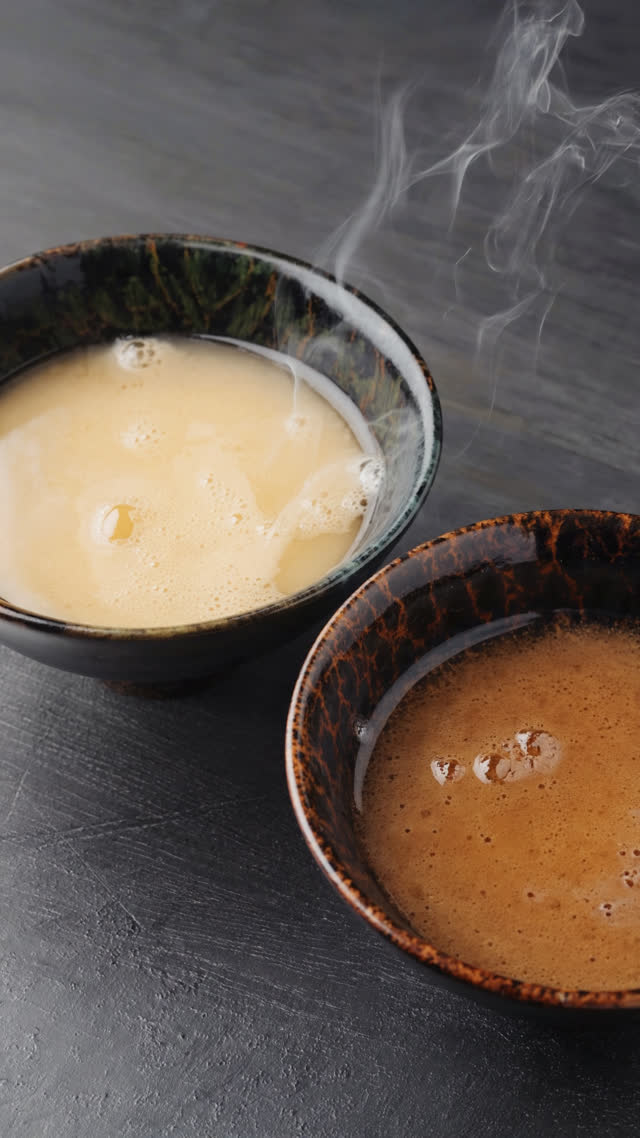
- Miso is one name for many fermentations, and the koji decides the color. Read →
- Why is mold grown on katsuobushi on purpose?
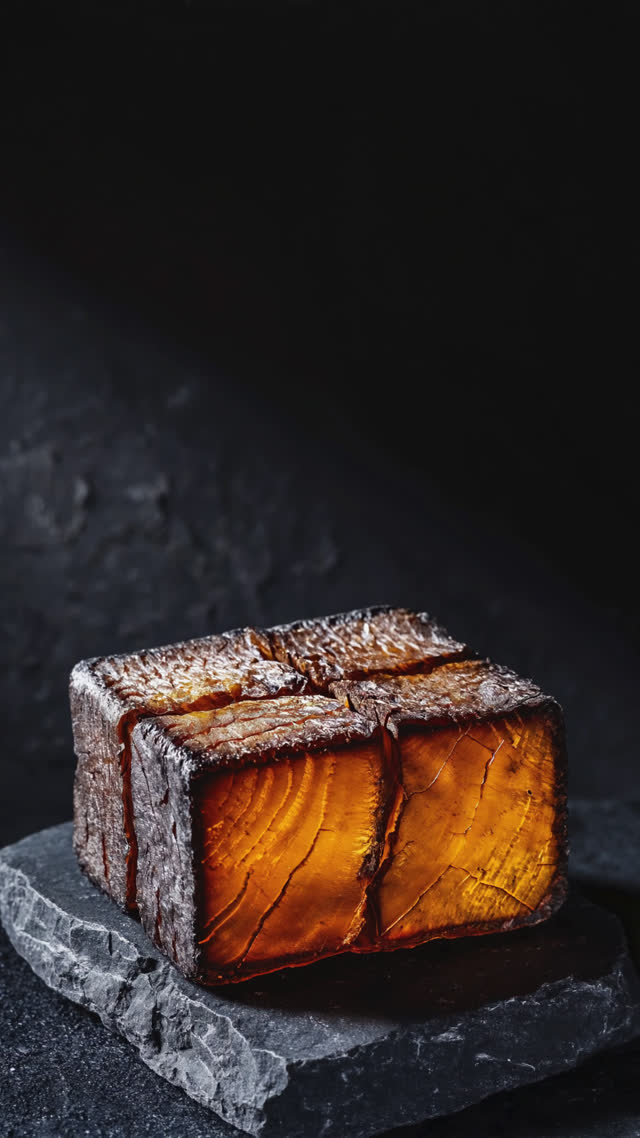
- Katsuobushi is skipjack tuna, simmered, boned and smoked over wood for weeks, then deliberately cultured with mold. Read →
- Where did natto come from?
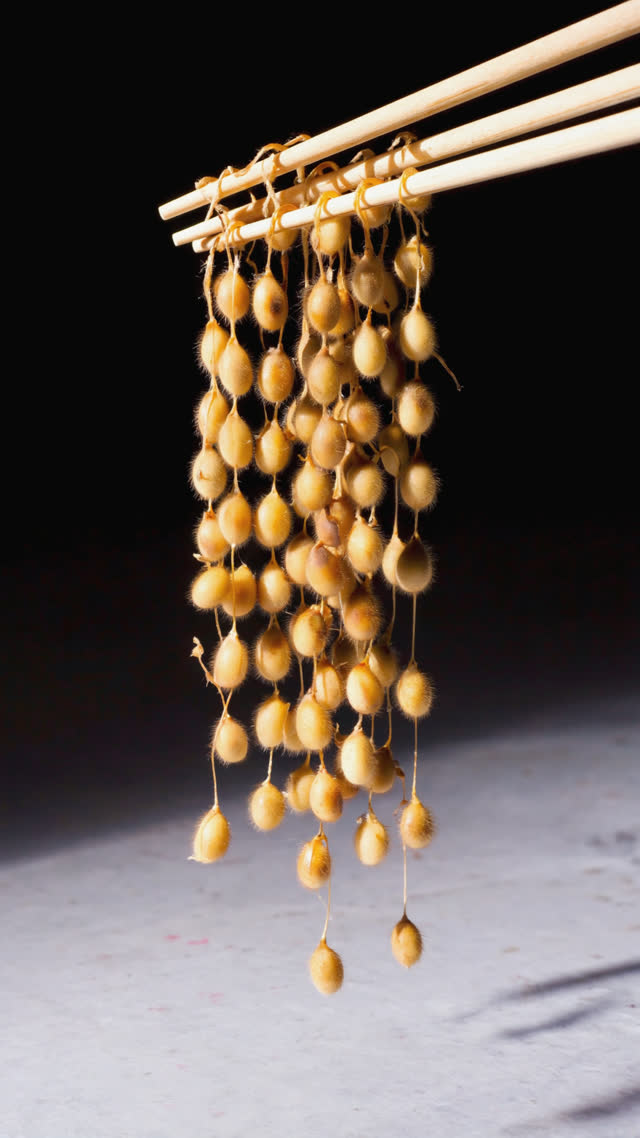
- Nobody invented natto: farmers wrapped hot boiled soybeans in rice straw and the beans fermented on their own, because rice straw carries Bacillus subtilis var. natto — the natto bacterium later isolated by the scientist Makoto Sawamura. Read →
- Why does a nukadoko pickle bed need a human hand?
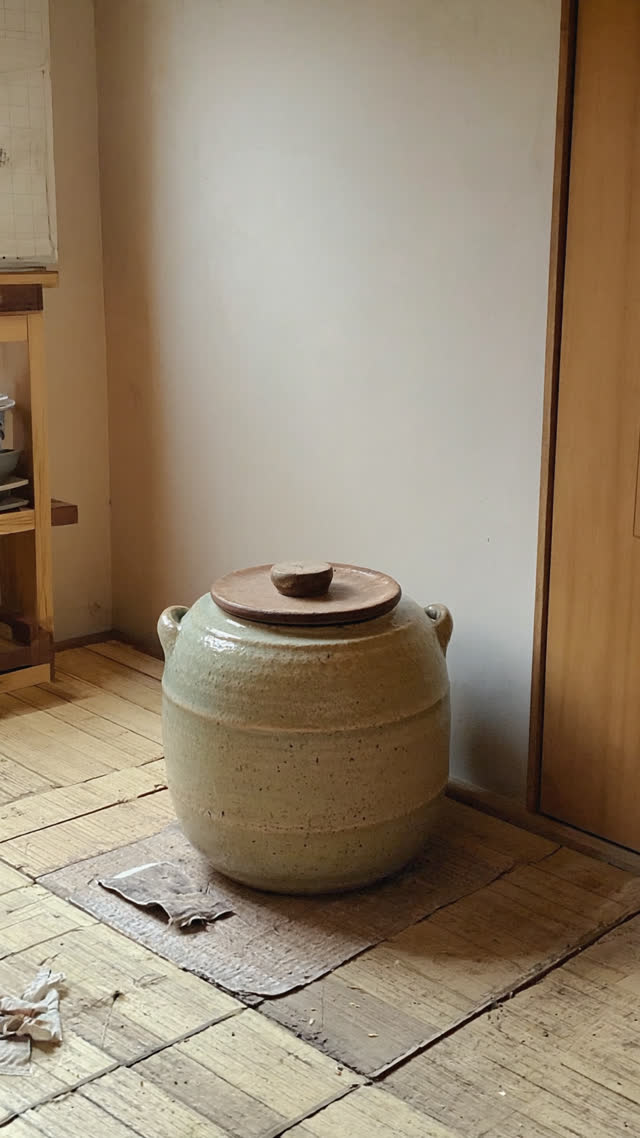
- Nukadoko is a bed of salted rice bran fermented by lactic acid bacteria, yeasts and other microbes — it is alive, and it stays healthy only if someone stirs it two or three times a week, and daily in the summer heat. Read →
- What does itadakimasu actually mean?
- It means “I humbly receive” — gratitude for the lives that became the meal and for every hand that grew, caught and cooked them, not simply “let's eat”. Read →
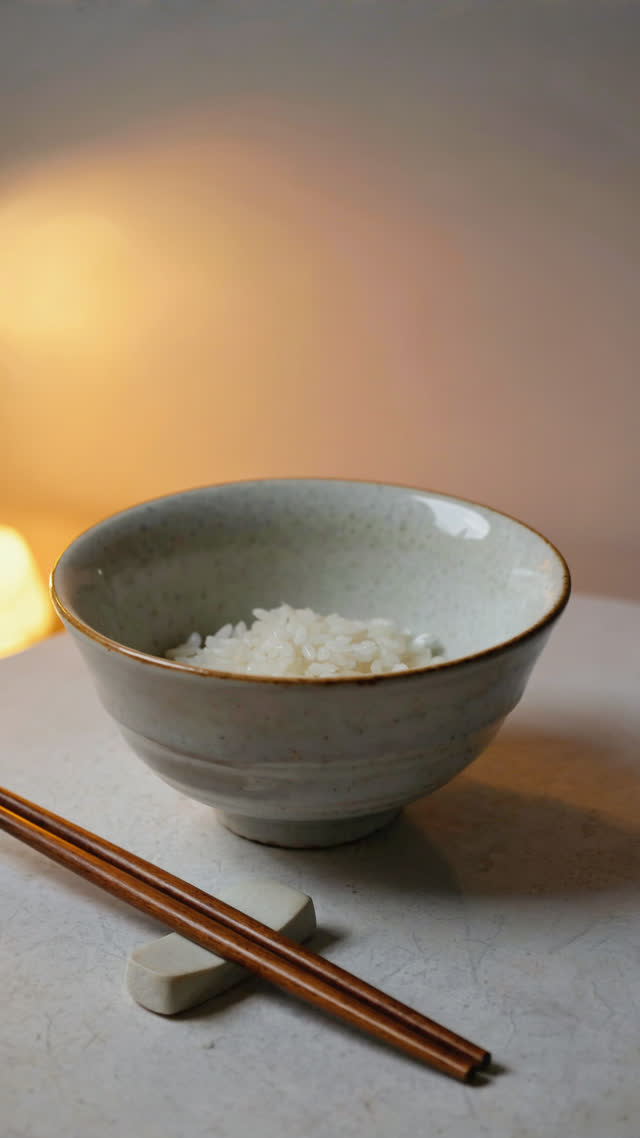
- What should you never do with chopsticks in Japan?
- Two things, and the reason is funerary rather than etiquette. Read →
- Is it rude to lift your bowl in Japan?
- No — it is exactly right. Read →
- Where did disposable chopsticks come from?
- From sake barrels. Read →
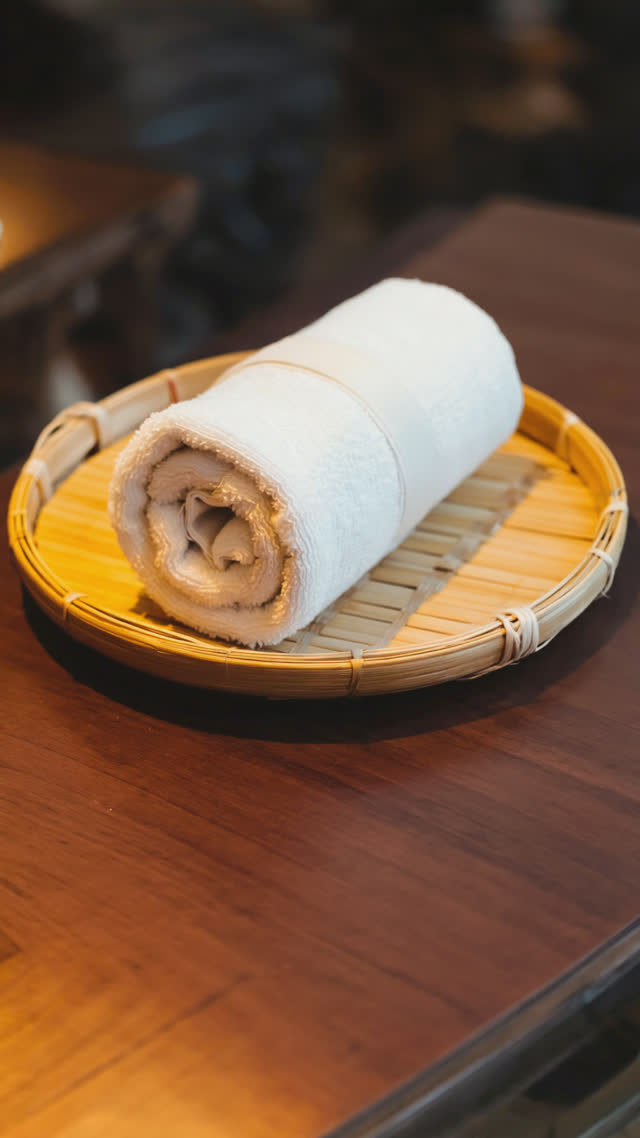
- Why is the oshibori towel free in Japan?
- Because it is hospitality, not a product: a hot or cold hand towel offered to every guest before the meal, matched to the season. Read →
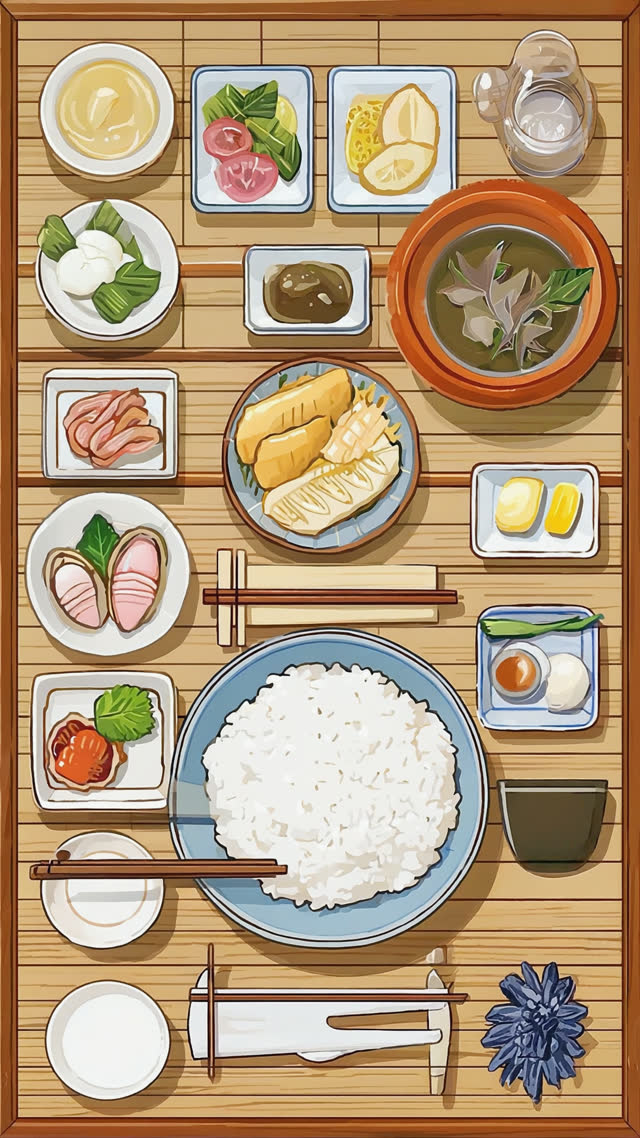
- Why does rice sit on the left in a Japanese meal?
- Rice sits front-left and miso soup front-right, a layout so standard that Japan's agriculture ministry publishes placement charts. Read →
- What is the otoshi dish you never ordered at an izakaya?
- Otoshi is a bite-sized appetizer that doubles as the seat charge — Japan's edible cover charge. Read →
- What does gochisosama mean?
- It is built on chiso, a word that originally meant running about: before convenience, hosts literally ran to gather food for a guest, and the phrase became thanks for that unseen effort. Read →
Fermentation
Washoku
Japanese terms in this collection
Each term is defined on the glossary from the story that uses it.
Sources behind these stories
- Brewing Society of Japan
- Ministry of Agriculture, Forestry and Fisheries
- Gekkeikan
- Yamaroku Soy Sauce
- Shodoshima Town
- Japan Miso Association
- Kakukyu Hatcho Miso
- Yamaju
- City of Mito
- Kyo-tsukemono Mori
- Agency for Cultural Affairs
- Hyozaemon
- Japan Chopstick Culture Research Association
- Korea Agro-Fisheries & Food Trade Corporation
- Yoshino Chopstick Manufacturing Cooperative
- Nara Prefecture
- All Japan Oshibori Cooperative Federation
- National Consumer Affairs Center of Japan
- National Diet Library