The short answer
Because it is hospitality, not a product: a hot or cold hand towel offered to every guest before the meal, matched to the season. Its origins blur into legend, but the custom is taken seriously enough that a national oshibori federation, founded in 1992, created an official Oshibori Day.
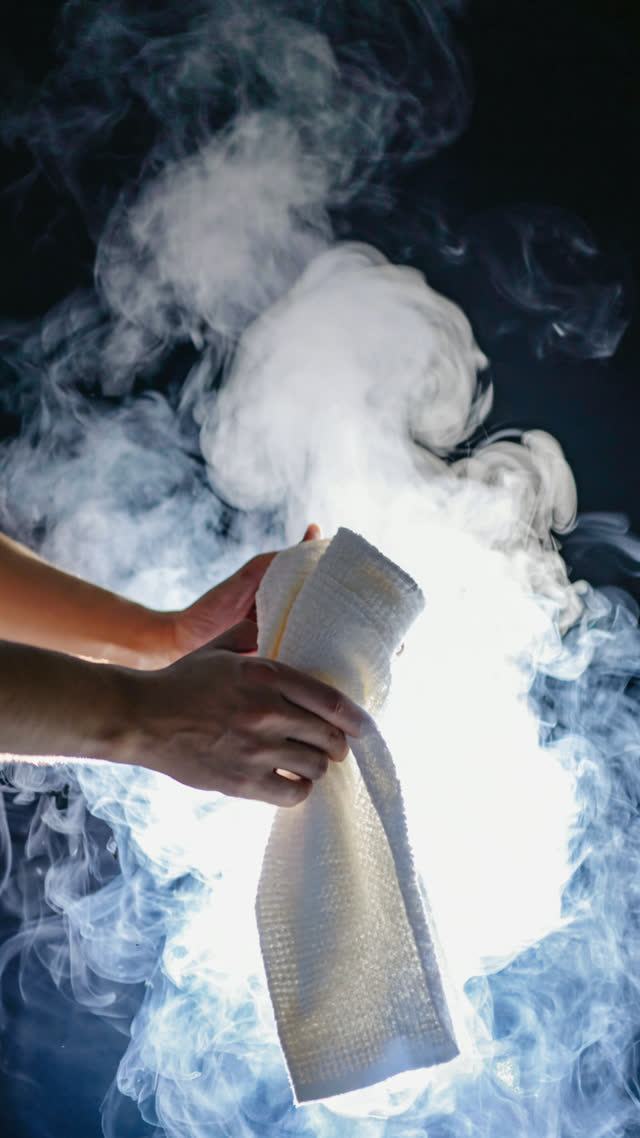
Oshibori: The Free Welcome
A warm towel appears before you say a word — and it's free.
The oshibori is Japanese hospitality you can hold: a hot or cold hand towel offered to every guest before the meal, matched to the season. Its origins blur into legend, so call it a custom Japan simply kept alive — taken seriously enough that a national oshibori federation, founded in 1992, created an official Oshibori Day.
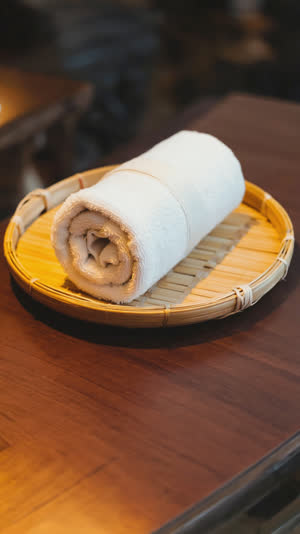
Always free in Japan
In Japan, this is always free.
Free is the significant part. A hot towel is a laundered item with a real cost per use, and handing one to every guest without charging is a decision about what the table includes.
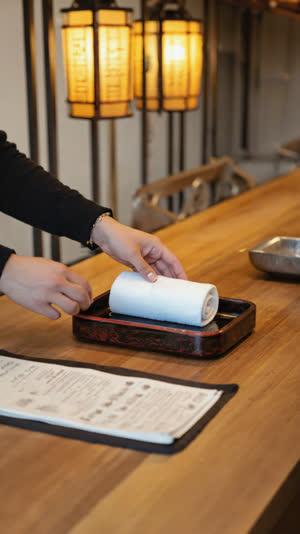
Before you even order
A hot towel appears before you've ordered a single thing.
The order of events is the message. Nothing has been bought yet, so the towel cannot be part of a transaction — it arrives while you are still only a guest.
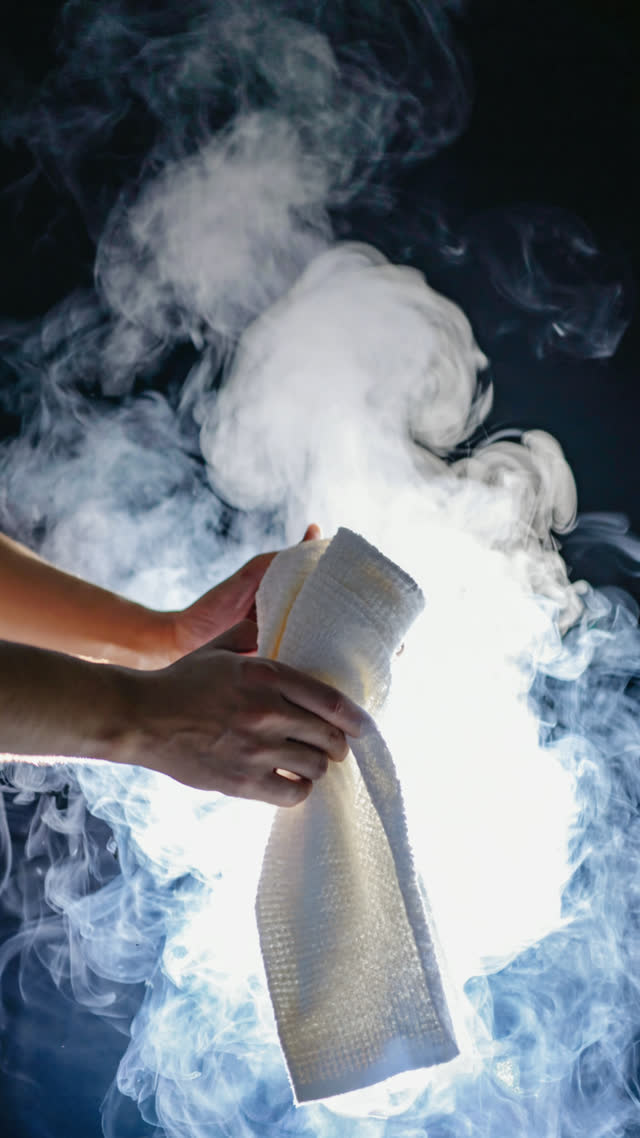
Unroll it. Steam rises.
Unroll it — steam rises. Wipe your hands. Begin.
The heat does two things at once: it cleans, and it shows the towel was prepared just now rather than left sitting out. That is the difference between an amenity and a gesture.
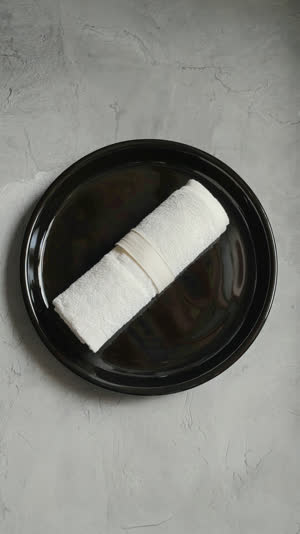
This is oshibori
It's called oshibori, a custom Japan simply kept alive.
We say kept alive rather than invented, because we could not trace the origin to a primary source. The stories that place it in classical literature are industry tradition, and we leave them there.
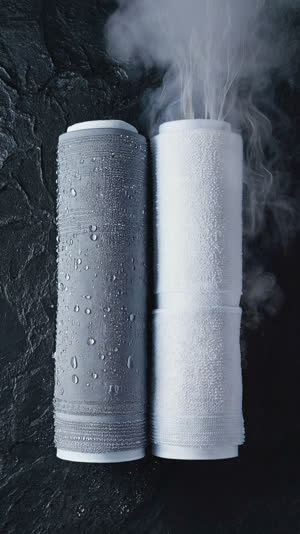
Cold in summer, warm in winter
Cold in summer, warm in winter — the season decides.
The switch is not about hygiene, which works either way. It is about matching the towel to what the weather has done to the guest, which is a smaller and more specific kind of attention.
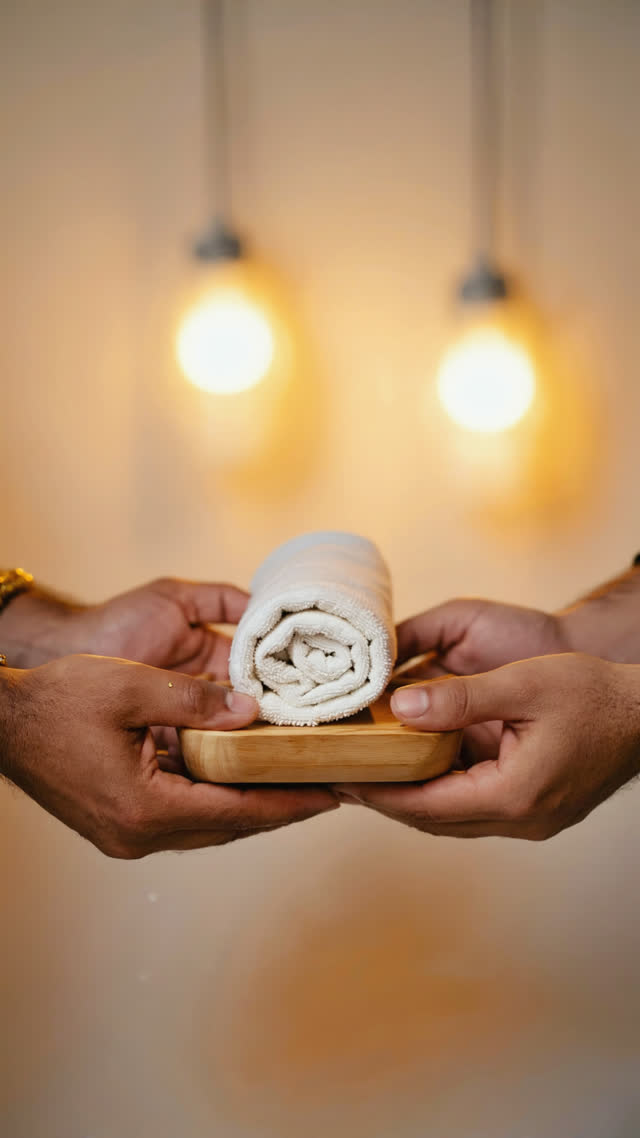
Not service. A welcome.
It isn't a service. It's a welcome you can hold.
A service is something you can decline or upgrade. This has no version you pay more for and no version you are refused, which puts it outside the menu entirely.
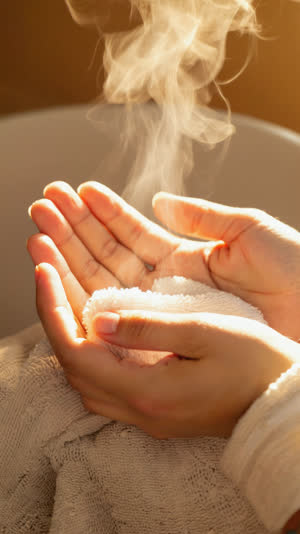
Care, handed over
At this table, care isn't spoken first — it's handed over.
Japanese restaurants generally do not open with a scripted greeting about the evening ahead. The towel does that work physically, before anyone has said much of anything.
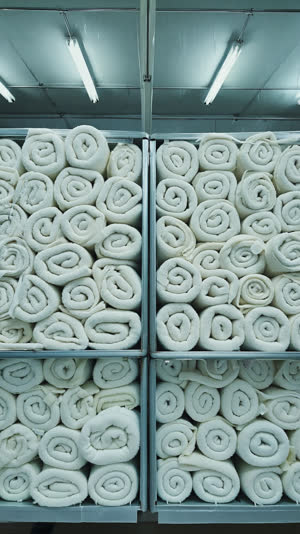
A national federation since 1992
A national oshibori federation, founded in 1992, guards the custom.
A federation exists because these towels are supplied and laundered as an industry, at a scale that needs standards. The All Japan Oshibori Cooperative Federation also created an official day for it, which is a measure of how seriously the custom is held.
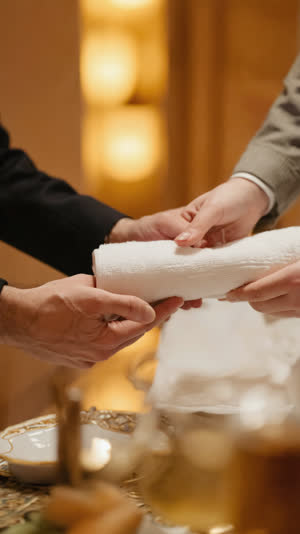
Receive it with both hands
Tonight in Japan, receive it with both hands — you're welcomed.
Two hands is the general form for receiving anything offered in Japan. Applied here it turns a wipe of the hands into an exchange, which is roughly what the object is for.
The thread through Washoku
Japanese table manners are not etiquette. They are gratitude, made physical.
Next: why your rice sits left and your soup right.
Japanese terms in this story
Sources — primary only
- All Japan Oshibori Cooperative Federation
Original Japanese source note
要確認: 全国おしぼり協同組合連合会(1992年設立・おしぼりの日制定)は確認済み・古事記/源氏物語起源説は業界伝承のみで一次資料未確認