Topic · Nature & Seasons
Nature and the Japanese seasons: a calendar you can stand in
Cherry blossom, autumn leaves, hot springs, and the weather of feeling.
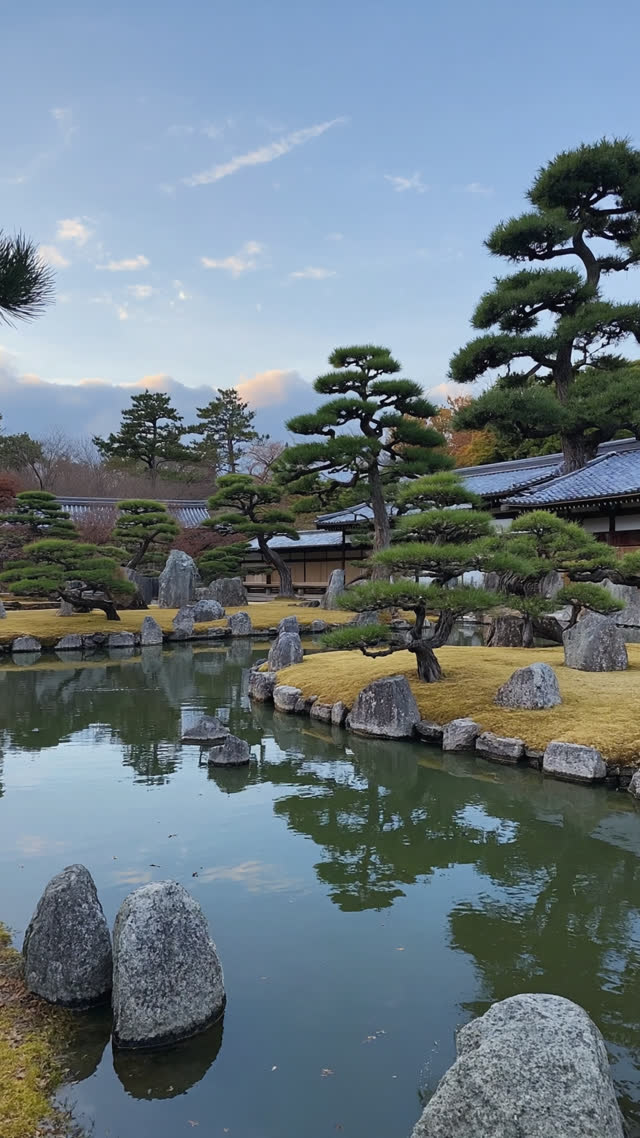
Japanese culture tracks the year more closely than it tracks the clock. Blossom, rain, heat, leaves and snow each arrive with their own foods, phrases and places to go and look, and gardens are built to make the change visible.
These stories follow the seasonal markers and the places that show them best.
Each series below is one continuous argument. The thesis is stated in the first part and restated in every part after it.

Every story here answers one question and names the ministry, prefecture, association or maker it came from. 8 questions in this topic.
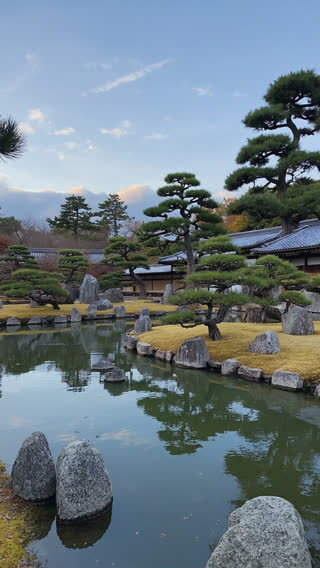
- How do you read a Japanese garden?
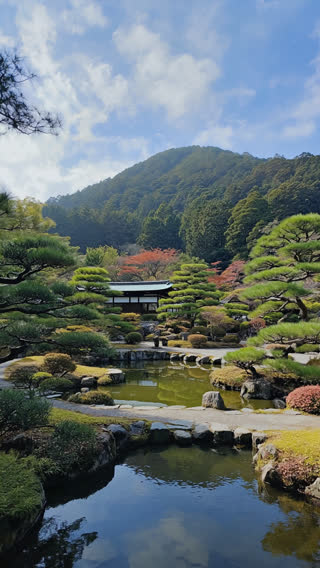
- A Japanese garden is nature compressed rather than copied — mountains become stones, the sea becomes raked sand. Read →
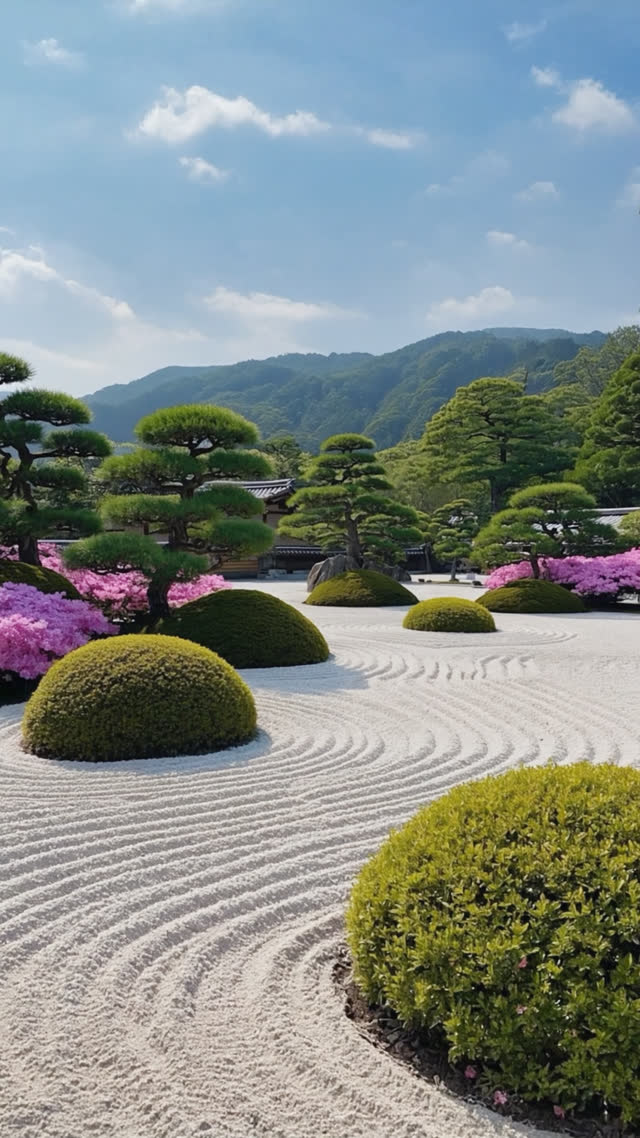
- Why are there fifteen stones at Ryoan-ji?
- Ryoan-ji's rectangle of white raked sand holds exactly fifteen stones and nothing else — an ocean with no water. Read →
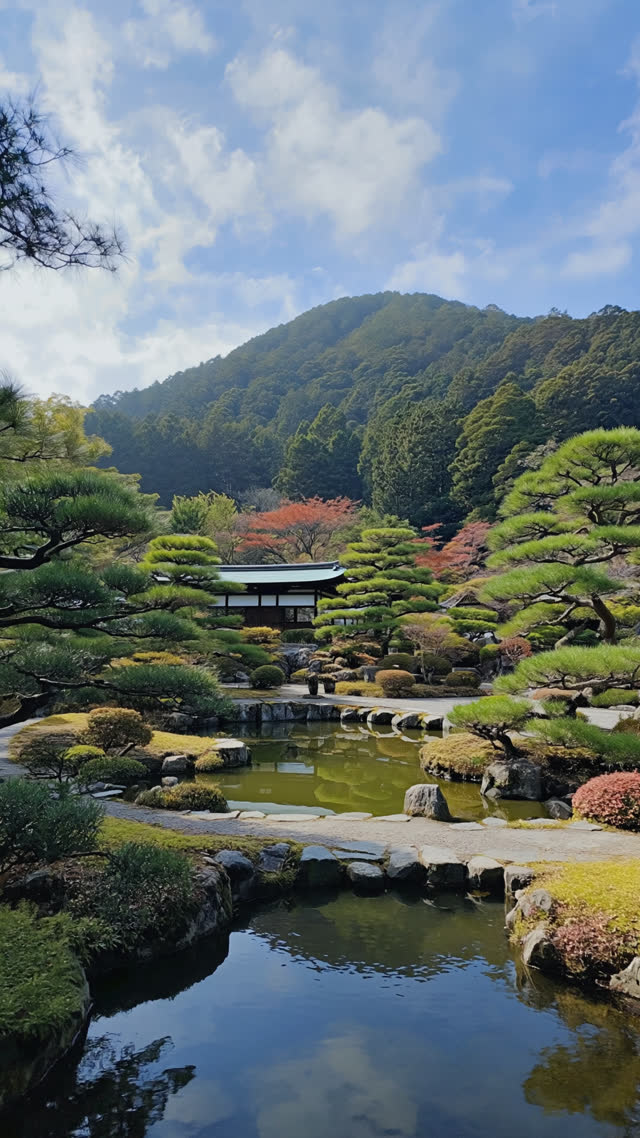
- What is shakkei, Japan's borrowed scenery?
- Shakkei means framing a distant mountain so precisely that it becomes part of the garden. Read →
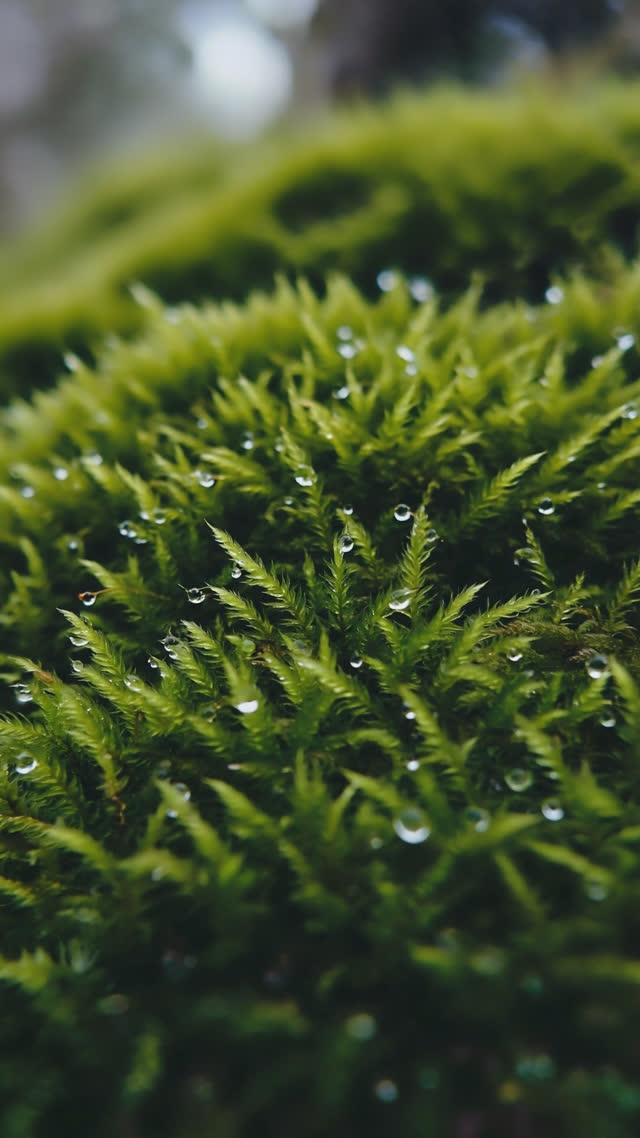
- Why is Saiho-ji called the Moss Temple?
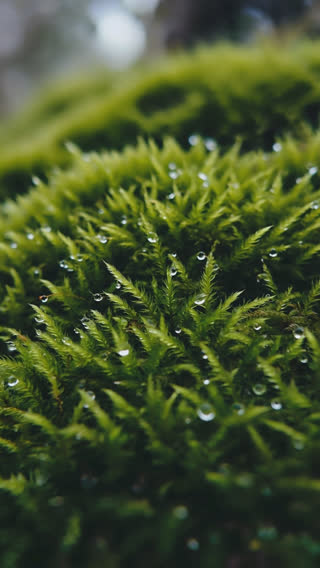
- About 120 kinds of moss carpet its grounds, moss being the one garden material that cannot be installed, only awaited. Read →
- Which is the best Japanese garden?
- The Adachi Museum of Art in Shimane has taken first place 23 years in a row in an American journal's annual ranking of Japanese gardens, which began in 2003. Read →
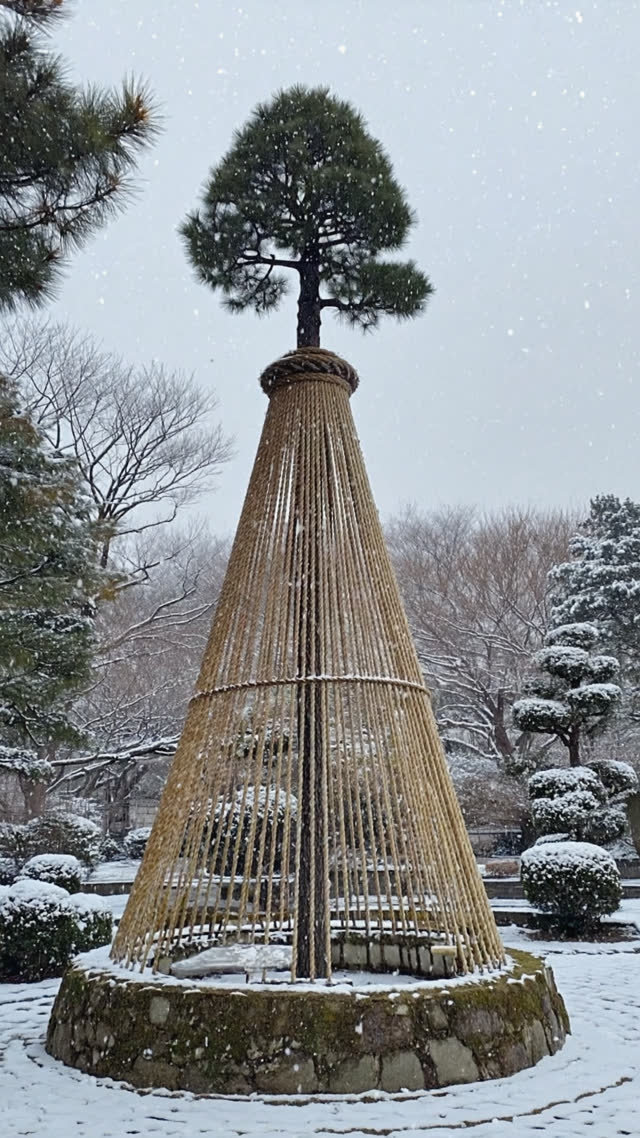
- Why do Japanese gardeners tie ropes to pine trees?
- It is called yukitsuri: cones of rope tied over the pines to shield their branches from heavy wet snow. Read →
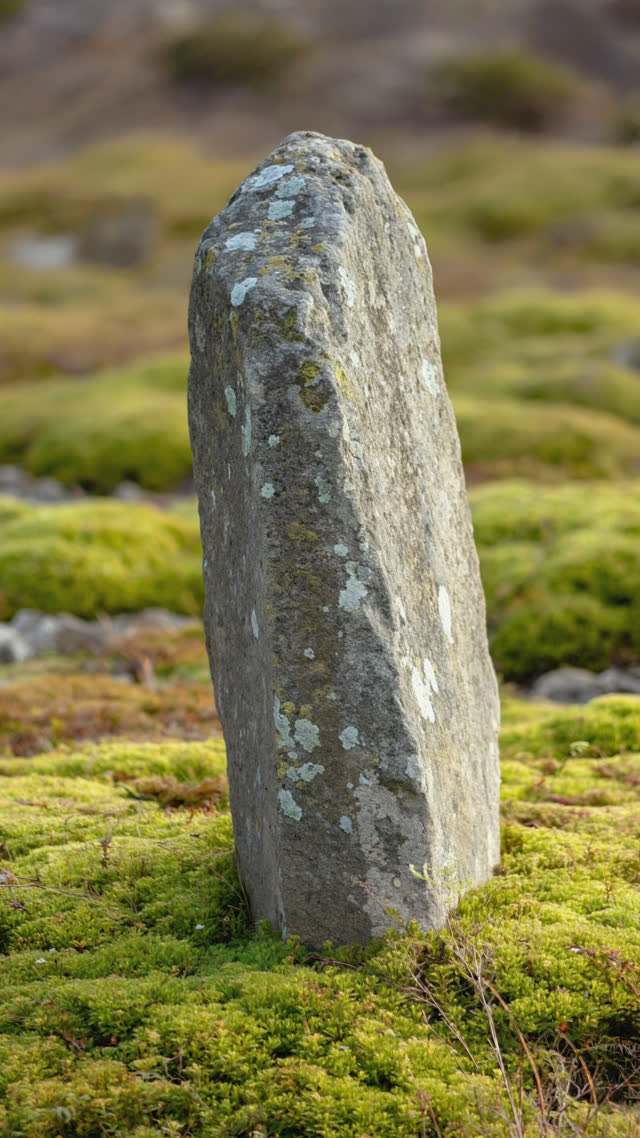
- How does a Japanese gardener decide where a stone goes?
- The Sakuteiki, written in the 11th century, instructs the gardener to follow the request of the stone — not to command or conquer it. Read →
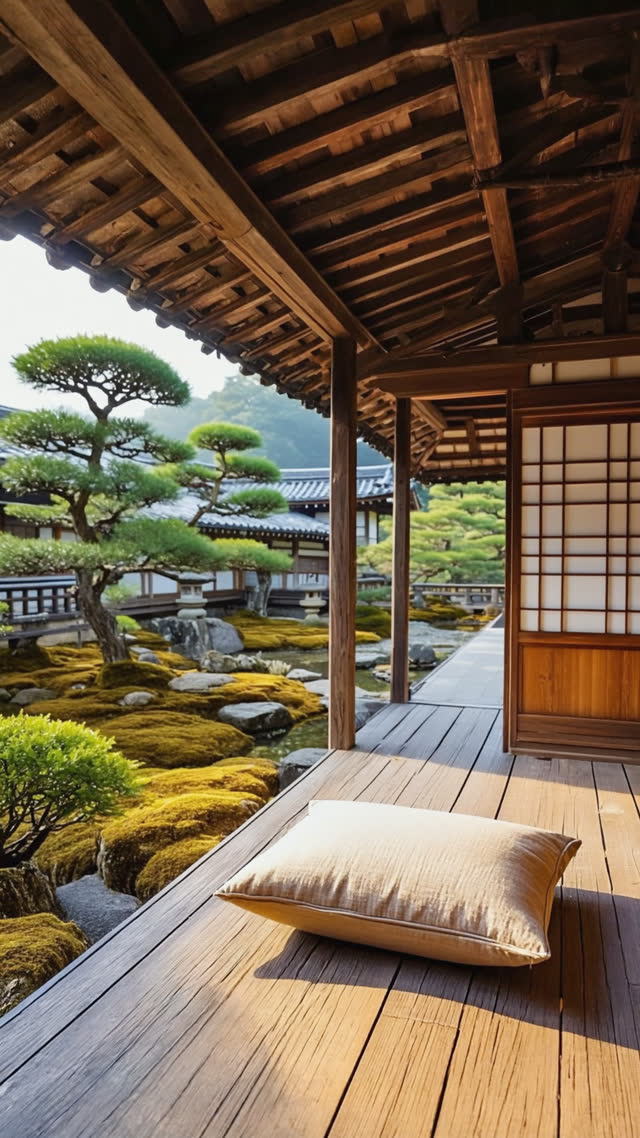
- Where can you drink tea inside a Japanese garden?
- Japanese gardens are built to be entered, not just viewed, and the veranda is the reading chair. Read →
Japanese terms in this collection
Each term is defined on the glossary from the story that uses it.
Sources behind these stories