Topic · Everyday Life
Everyday life in Japan: what visitors notice first
Bathhouses, homes, trains, language — the ordinary made strange.
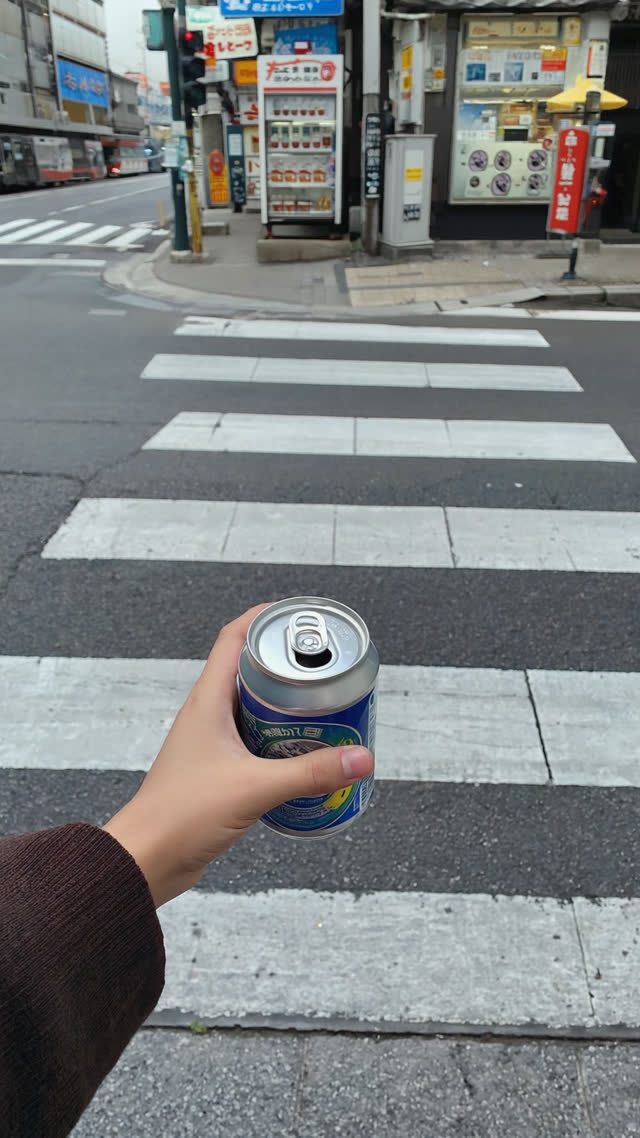
What visitors remember about Japan is rarely the temples. It is the silence in a train car, the line that forms without anyone asking, the street with no bin and no litter, the bathhouse where strangers sit in the same water.
These are not rules being obeyed. They are habits with reasons, and the reasons are mostly practical and mostly old — a bath because homes had none, a queue because the platform is narrow, a quiet car because the car is sealed.
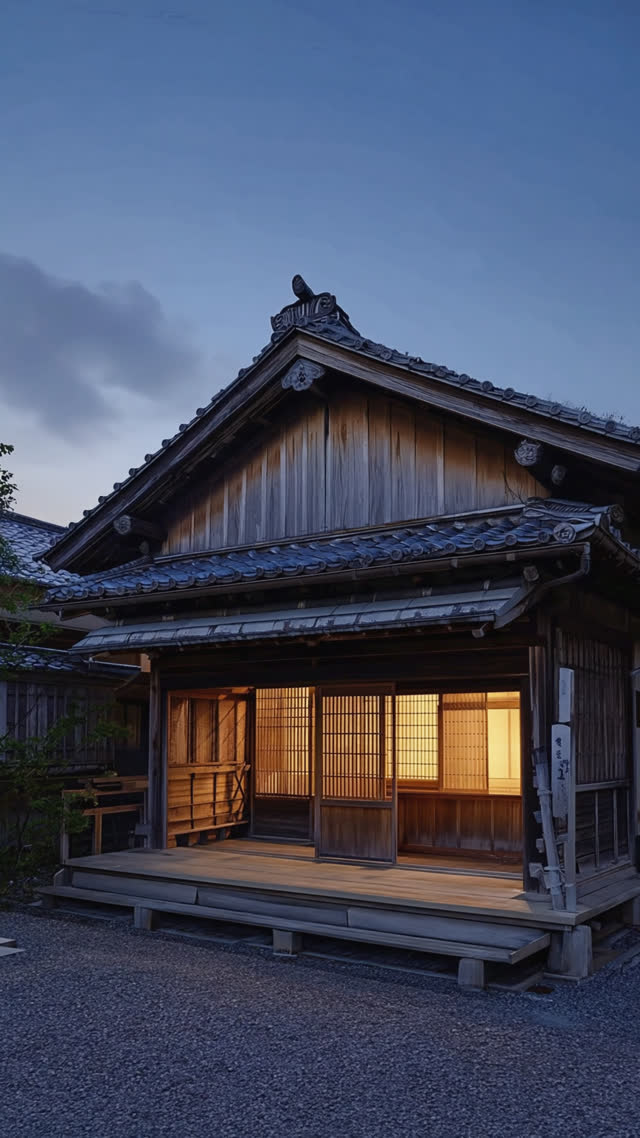
This topic collects the two series that deal with them: the manners a visitor meets on day one, and the bathhouse that used to be the neighborhood's living room.
Each series below is one continuous argument. The thesis is stated in the first part and restated in every part after it.
Every story here answers one question and names the ministry, prefecture, association or maker it came from. 17 questions in this topic.
- Why is Japan so quiet and clean?
- Not enforcement, but agreement. Read →
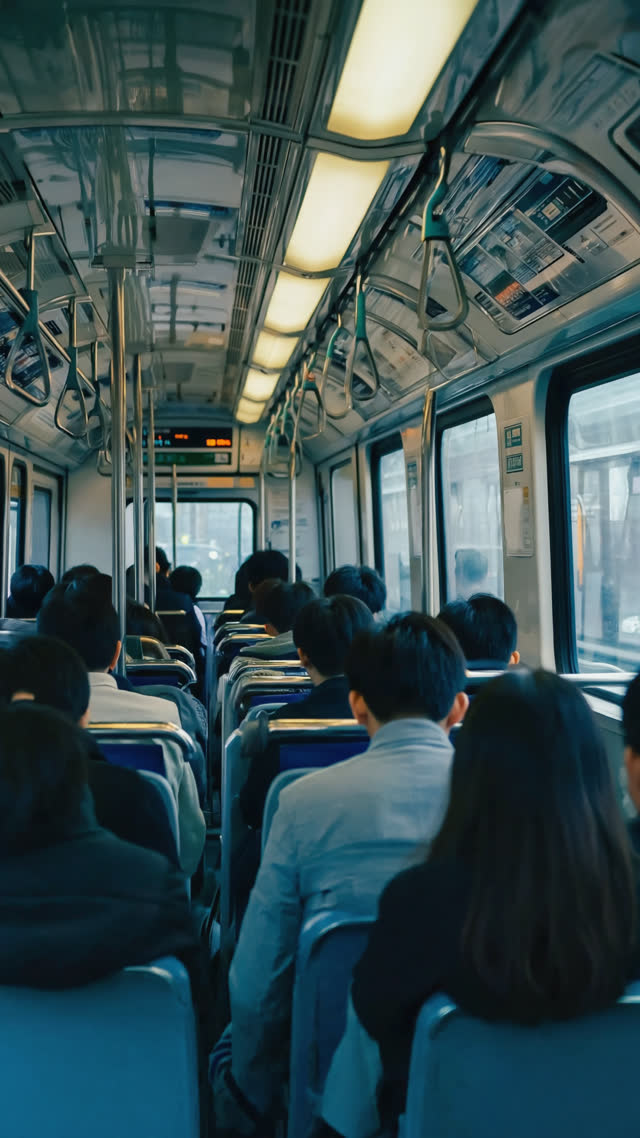
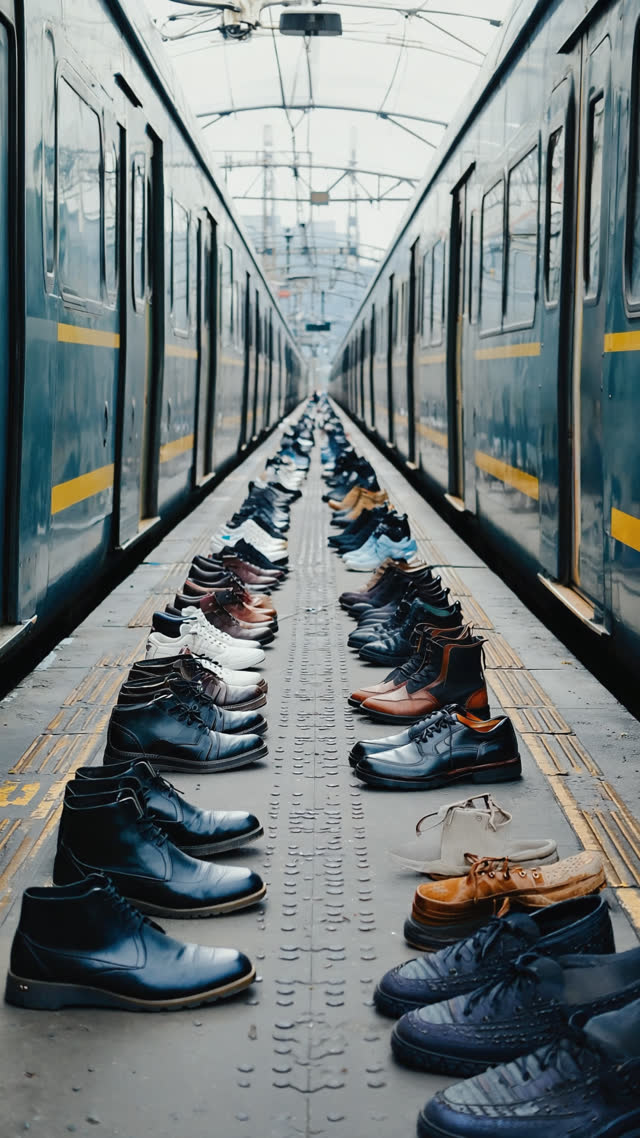
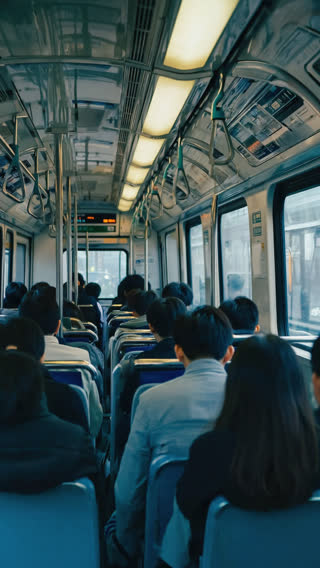
- Why does nobody talk on Japanese trains?
- Because the operators ask and riders agree: JR East and Tokyo Metro officially ask passengers to switch phones to silent mode and refrain from calls. Read →
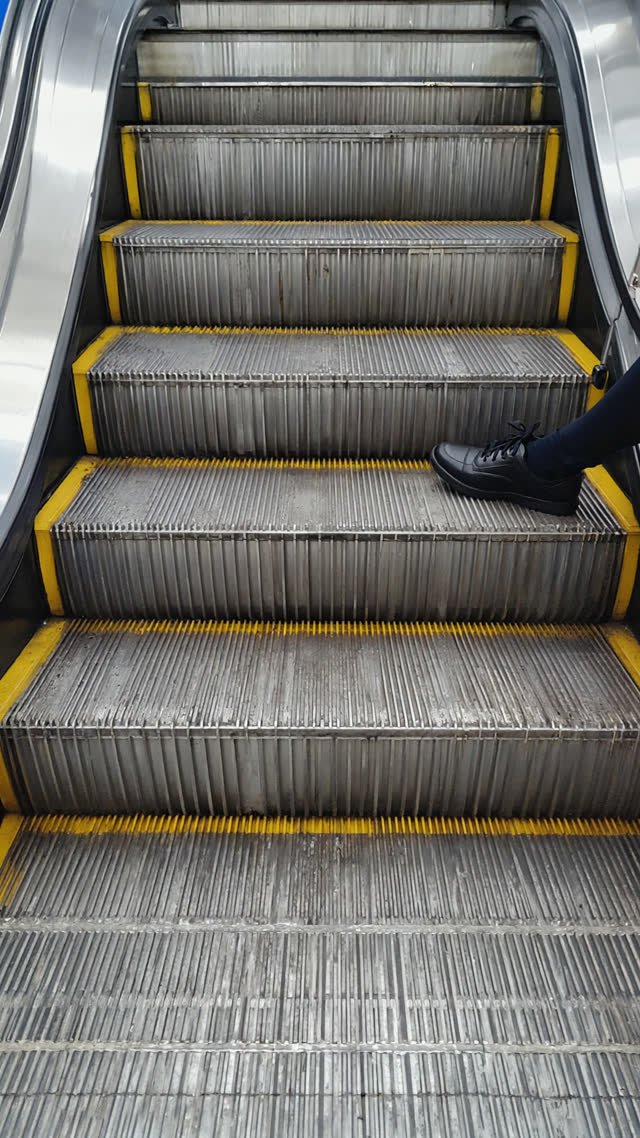
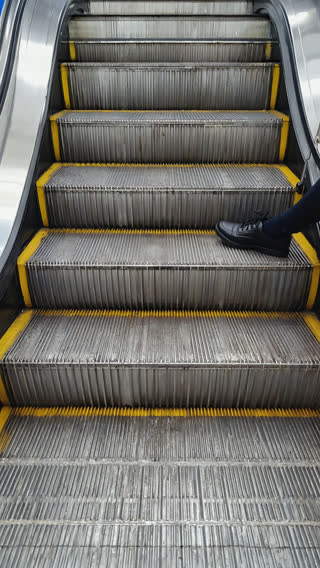
- Which side do you stand on an escalator in Japan?
- Tokyo stands on the left and Osaka on the right, but Japan's official answer is not to walk at all. Read →
- Why are there no trash cans in Japan, and no litter either?
- Most street bins were removed after March 1995, in the wake of an attack on Tokyo's subway, and they never returned; in their place grew the habit of carrying trash home. Read →
- Where do you take your shoes off in Japan?
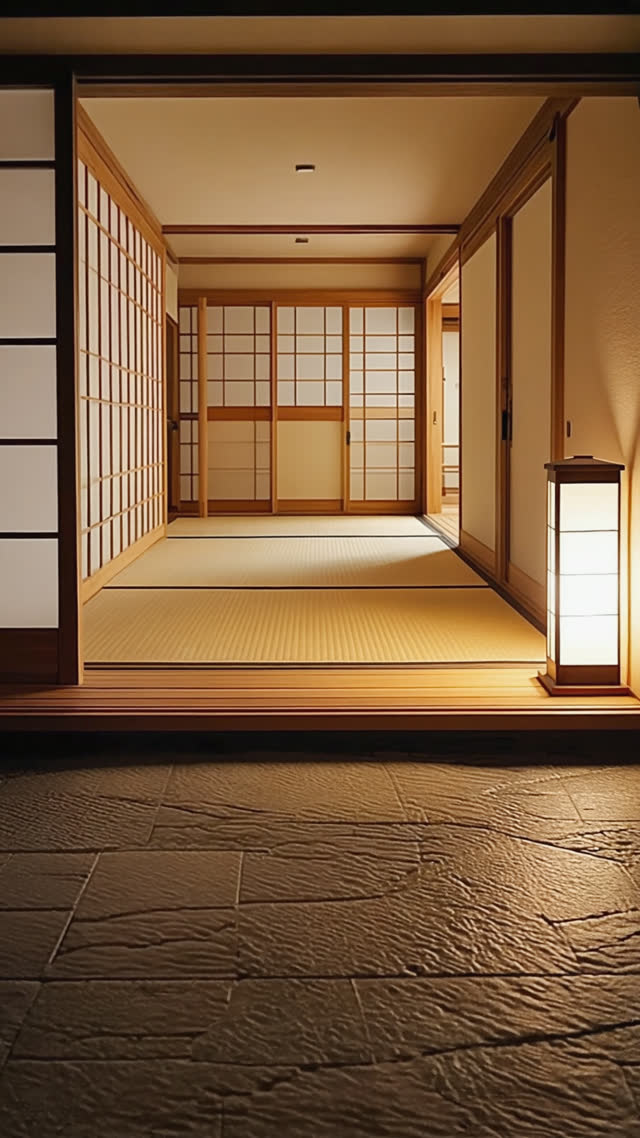
- At the agarikamachi — a single raised step that has marked the border between outside and inside in Japanese homes for centuries. Read →
- Can you enter an onsen with a tattoo?
- Sometimes, and increasingly. Read →
- Why do you put money on a tray in Japan?
- The small counter tray is called a karuton, a word taken from the French “carton” and already listed in a Japanese dictionary in 1918. Read →
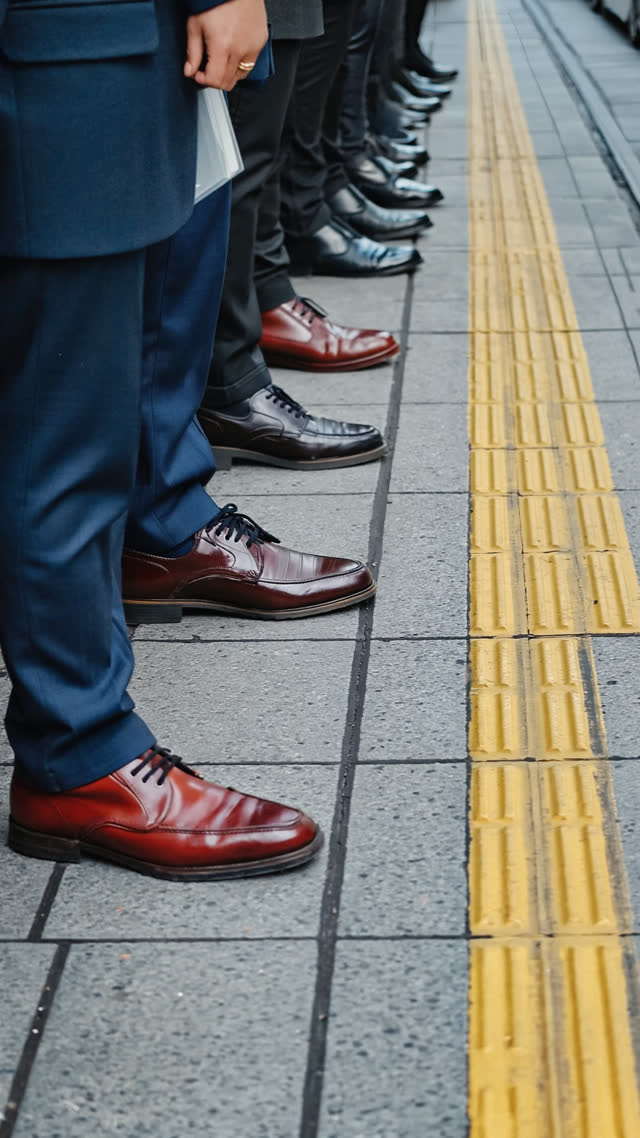
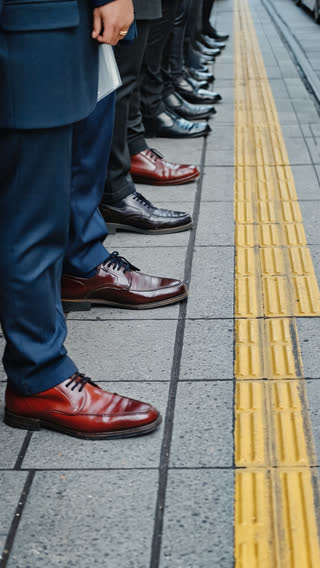
- Why do people in Japan queue without being told?
- Because the line is official infrastructure, not improvisation: organized boarding, seiretsu-josha, is a defined term in the Japan Private Railway Association's glossary, and JR East's FAQ asks riders to form two lines at marked positions. Read →
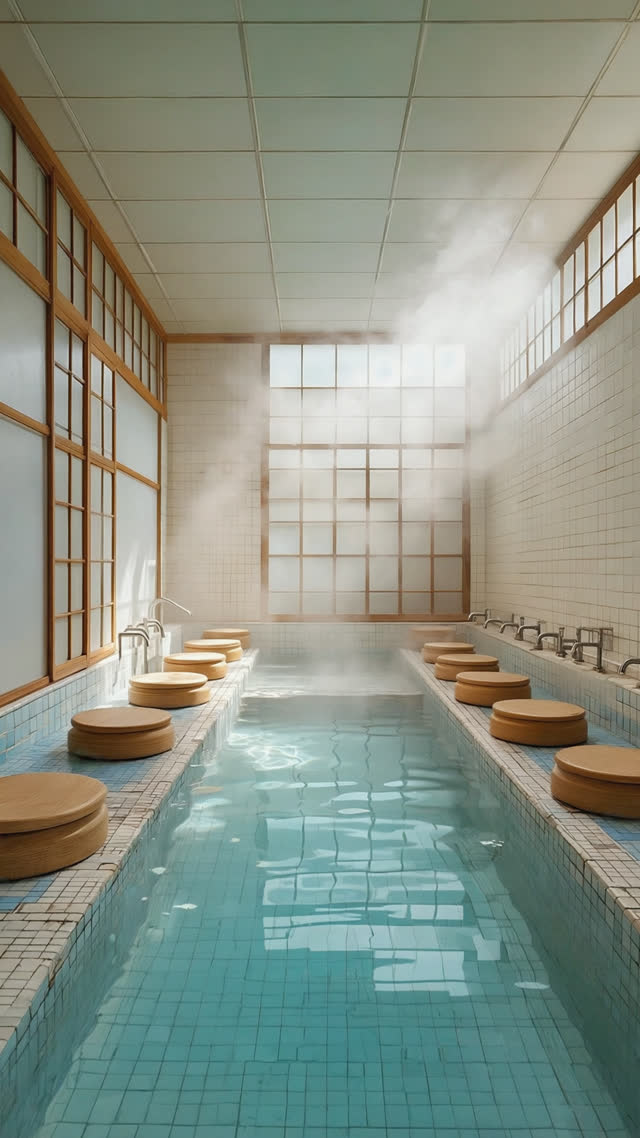
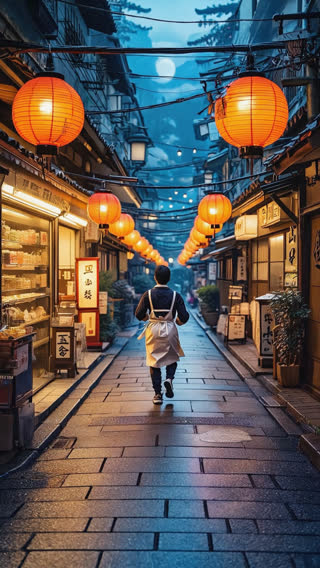
- What is a sento, and why did it matter so much?
- A sento is Japan's public bathhouse, and in Edo, when most homes had no bath of their own, it doubled as the town's living room. Read →
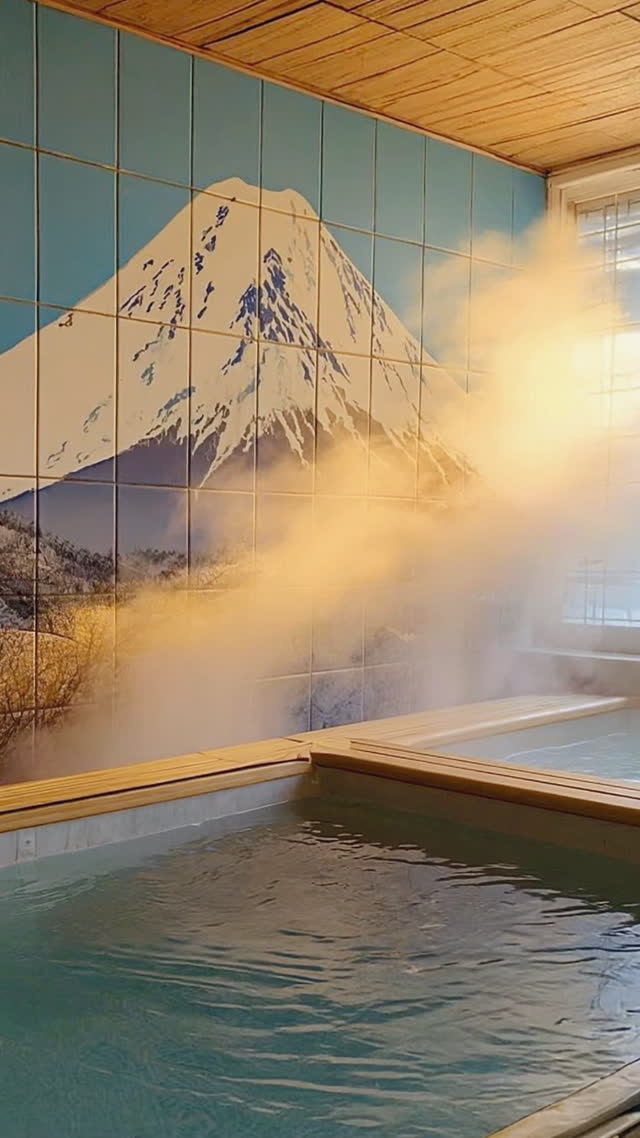
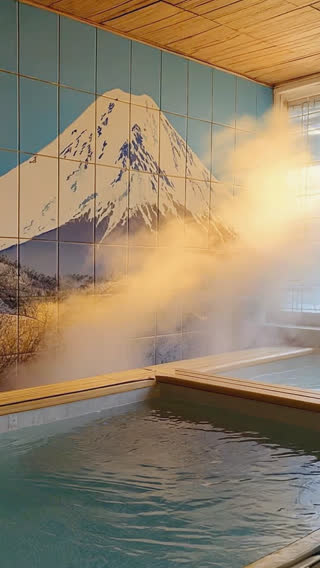
- Why is Mount Fuji painted on Japanese bathhouse walls?
- It began as a gift for children. Read →
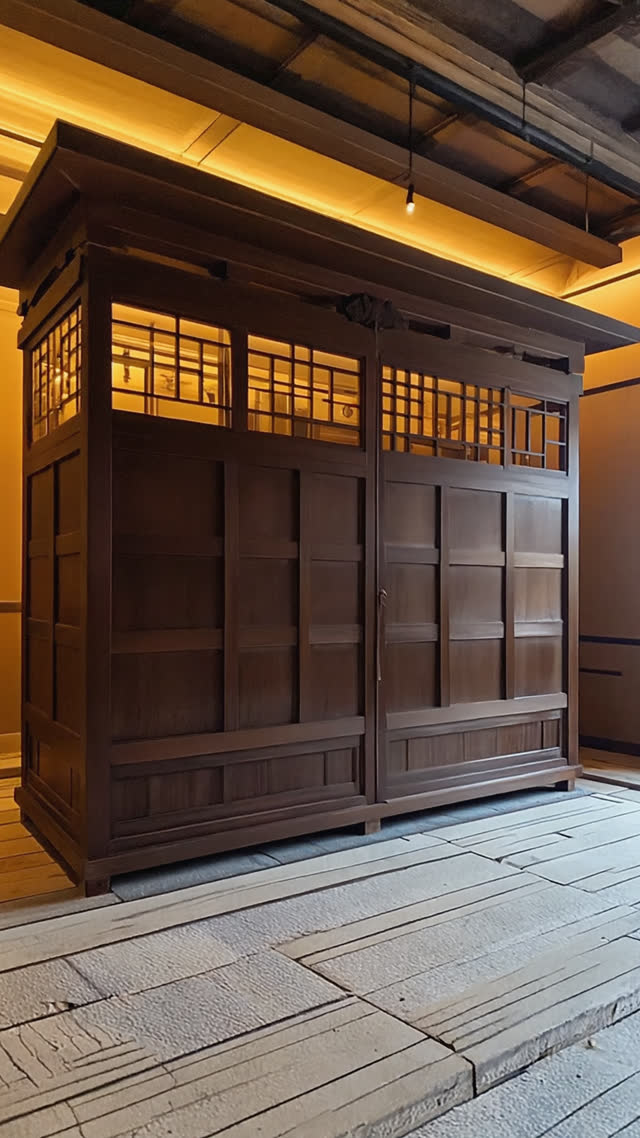
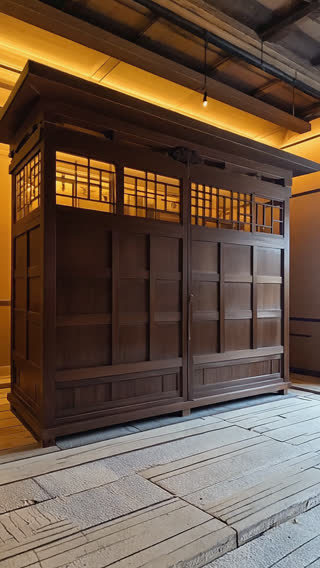
- What is the bandai in a Japanese bathhouse?
- The bandai is the raised attendant's booth by the entrance, where fees are collected and the changing room is kept safe. Read →
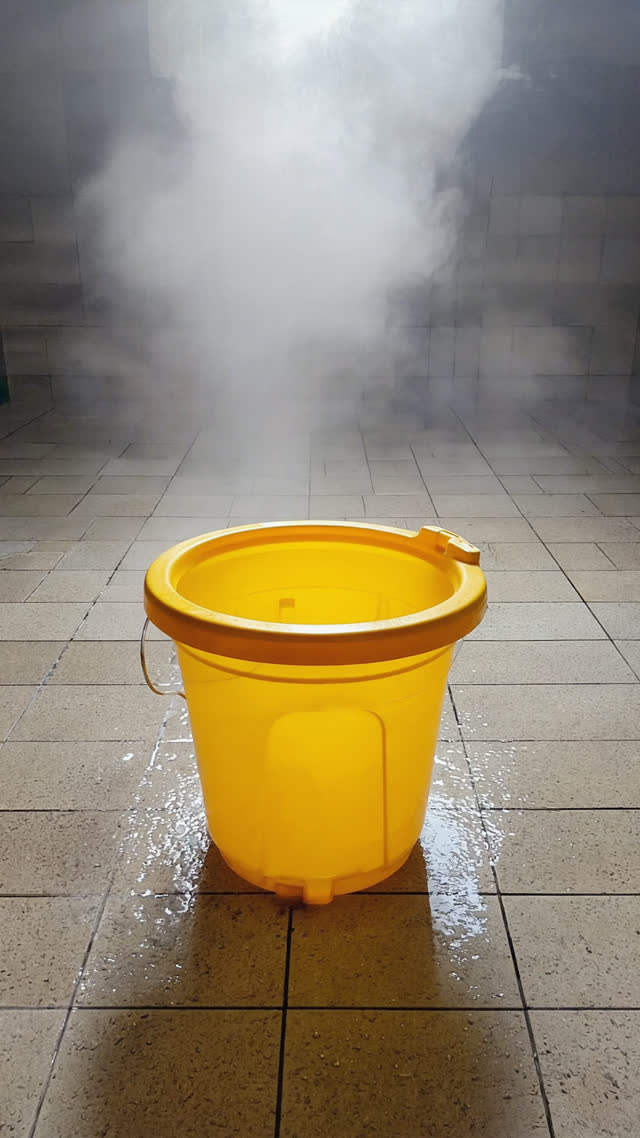
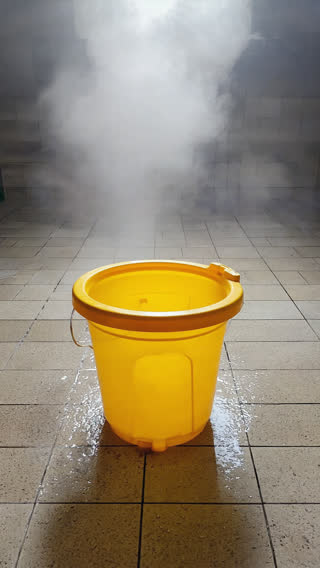
- Why is Japan's yellow bath bucket called Kerorin?
- Because it was an advertisement. Read →
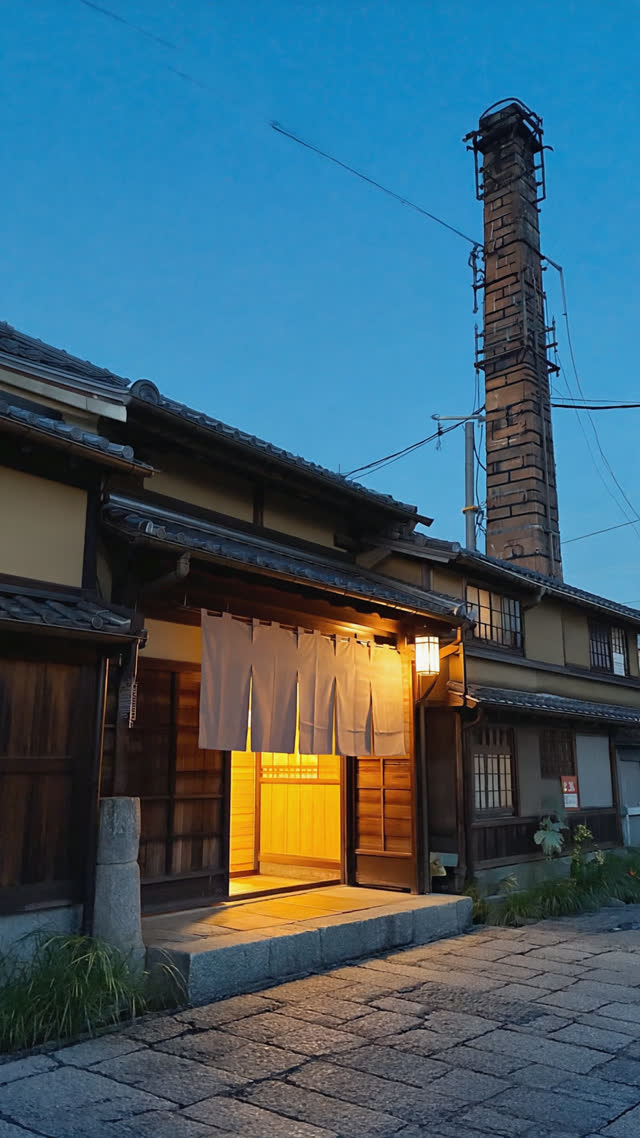
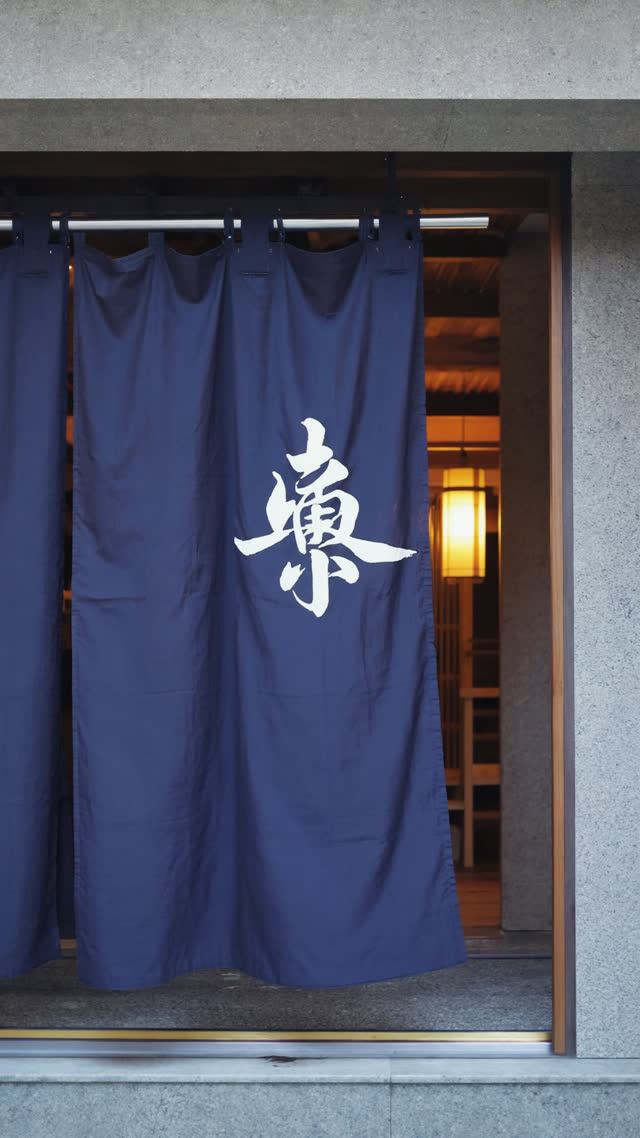
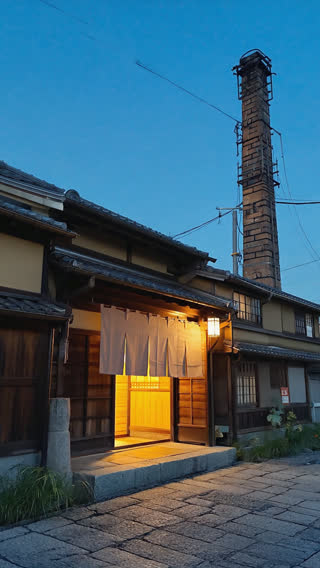
- How do you know if a Japanese bathhouse is open?
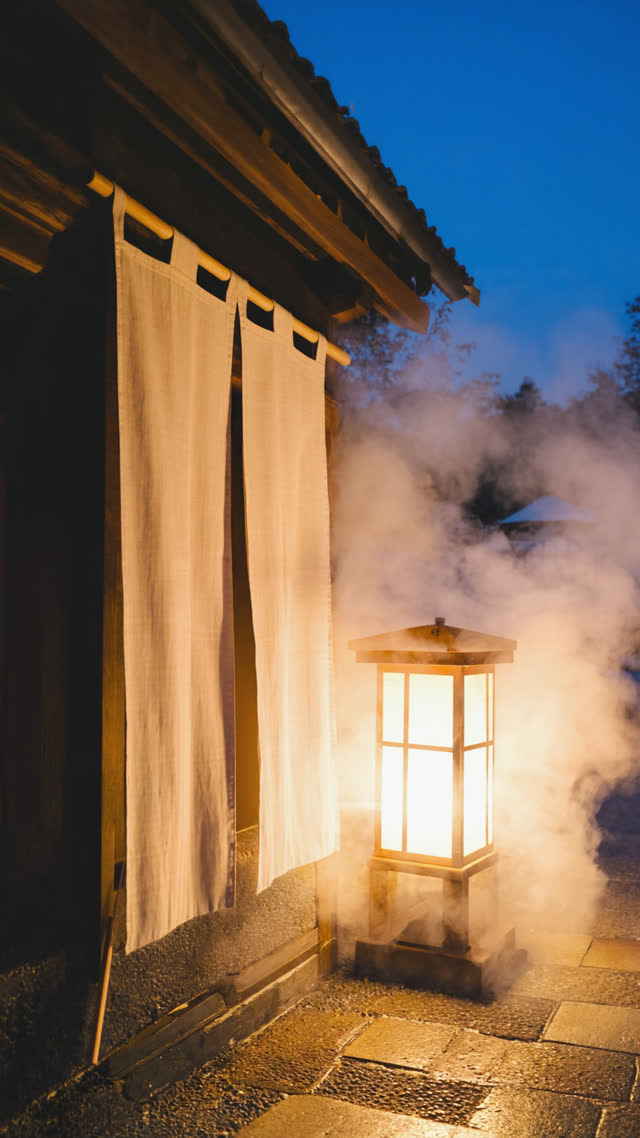
- The noren tells you. Read →
- What are the rules before you get into a Japanese public bath?
- Two, straight from the Tokyo Sento Association's official etiquette guide: rinse your body with kakeyu before entering the tub, and never let your towel touch the shared bathwater. Read →
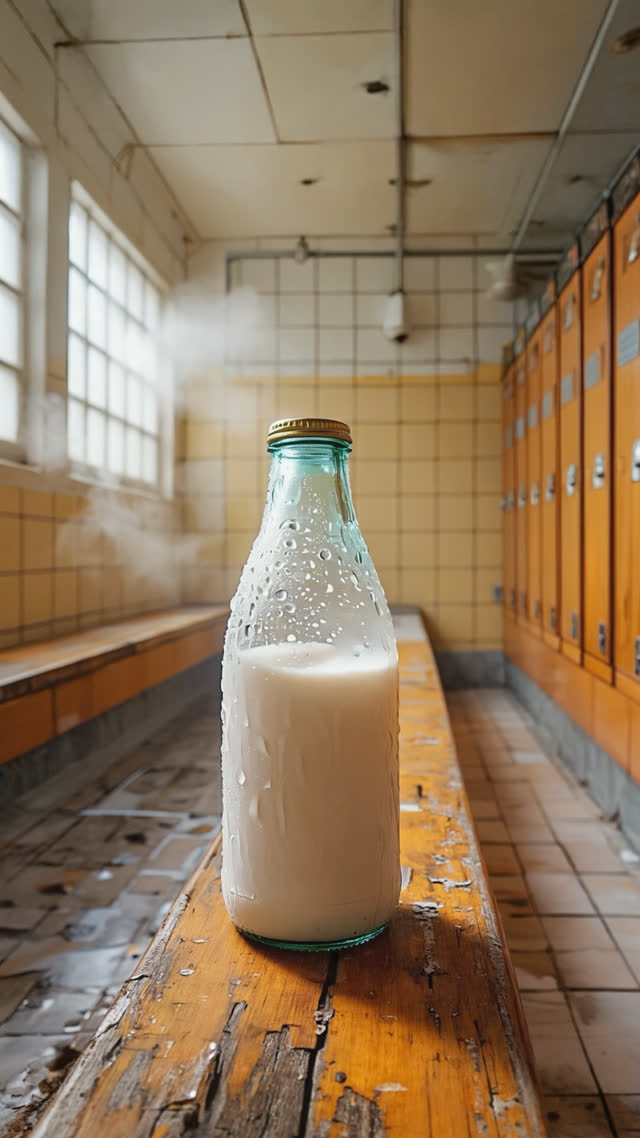
- Why do people drink milk after a bath in Japan?
- Because the bathhouse had the refrigerator. Read →
- Are Japan's sento disappearing?
- Numbers keep falling — about 2,847 facilities remain — and aging buildings struggle. Read →
Manners
Sento
Japanese terms in this collection
Each term is defined on the glossary from the story that uses it.
Sources behind these stories
- JNTO (Japan National Tourism Organization)
- Japan Tourism Agency
- JR East
- Tokyo Metro
- Toei Transportation
- Saitama Prefecture
- City of Nagoya
- Japan Elevator Association
- Kyoto City
- nippon.com
- NDL Collaborative Reference Database
- Shimojima
- Japan Private Railway Association
- Highlighting Japan
- Tokyo Sento Association
- Ministry of Health, Labour and Welfare
- Zennyokuren
- Chiyoda City
- Kerorin (Toyama Megumi Pharmaceutical)
- Yamamura Dairy
- Edogawa City
- Tokyo Metropolitan Government
- Toyo Keizai