The short answer
Numbers keep falling — about 2,847 facilities remain — and aging buildings struggle. But Tokyo now subsidizes repairs such as seismic retrofitting, young successors are renovating old bathhouses, and the sauna boom draws new crowds through old doors, a revival covered by Toyo Keizai.
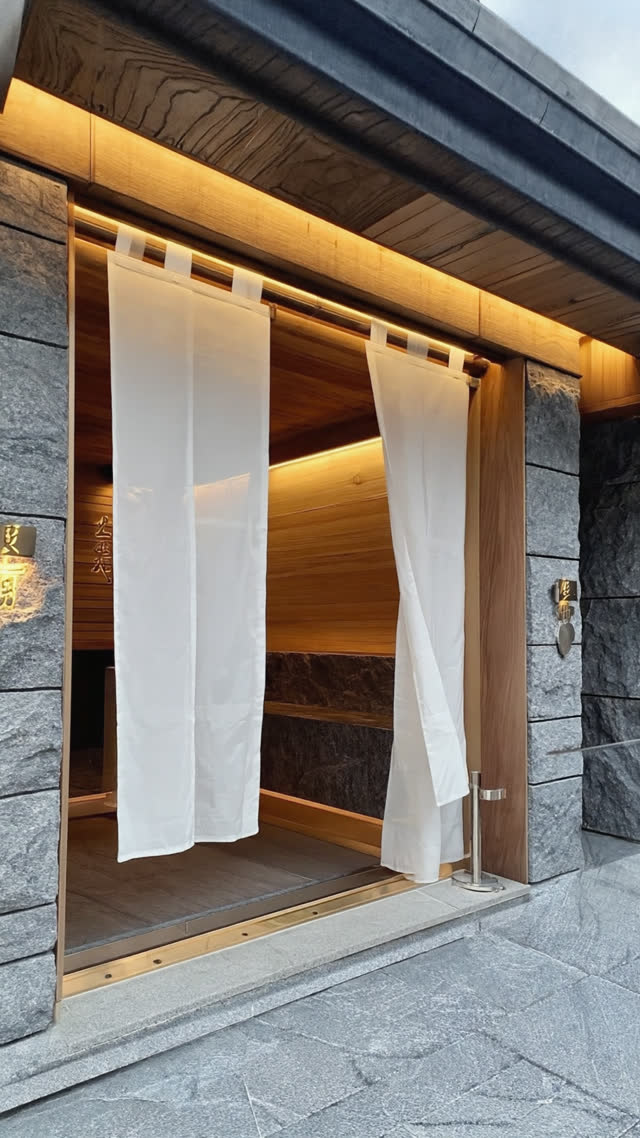
2,847 Left — Who Saves Them?
Japan's bathhouses are disappearing — but a new generation refuses to let the water go cold.
In this final episode: sento numbers keep falling and aging buildings struggle. Yet Tokyo now subsidizes repairs like seismic retrofitting, young successors are renovating old bathhouses, and the sauna boom draws new crowds through old doors — a revival covered by Toyo Keizai.
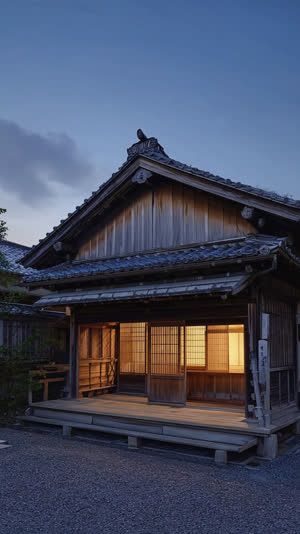
Vanishing bathhouses
Japan's bathhouses are disappearing — but this story isn't over.
A decline this steep usually ends in a heritage listing and a museum. This one has a second half, and that second half is why the series ends here rather than on the numbers.
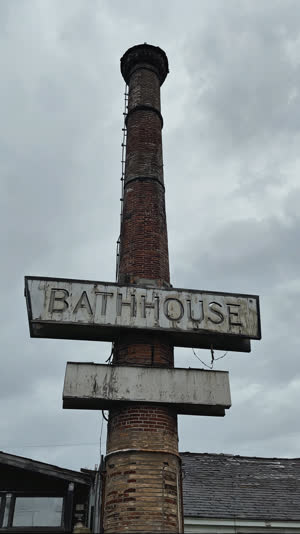
17,999 down to 2,847
From seventeen thousand nine hundred ninety-nine, down to about 2,847.
Read together, those two figures describe a utility being replaced rather than a culture being abandoned. Homes got baths, and the daily necessity went with them.
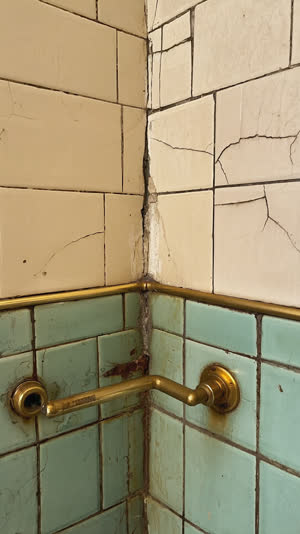
Aging buildings, aging owners
Aging buildings and aging owners make each year harder.
Both halves matter. A bathhouse is a boiler, a chimney and a large old structure, and it is usually run by the family that has always run it — so the building and the succession fail on the same timetable.
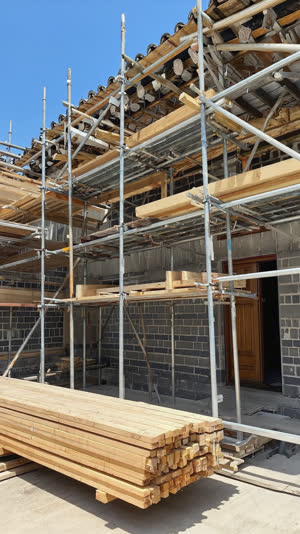
Tokyo funds repairs
Tokyo now subsidizes repairs — like seismic retrofitting — for bathhouses.
Public money for private baths only makes sense if the bath is treated as infrastructure. That is what the subsidy implies: the city considers these buildings worth keeping standing.
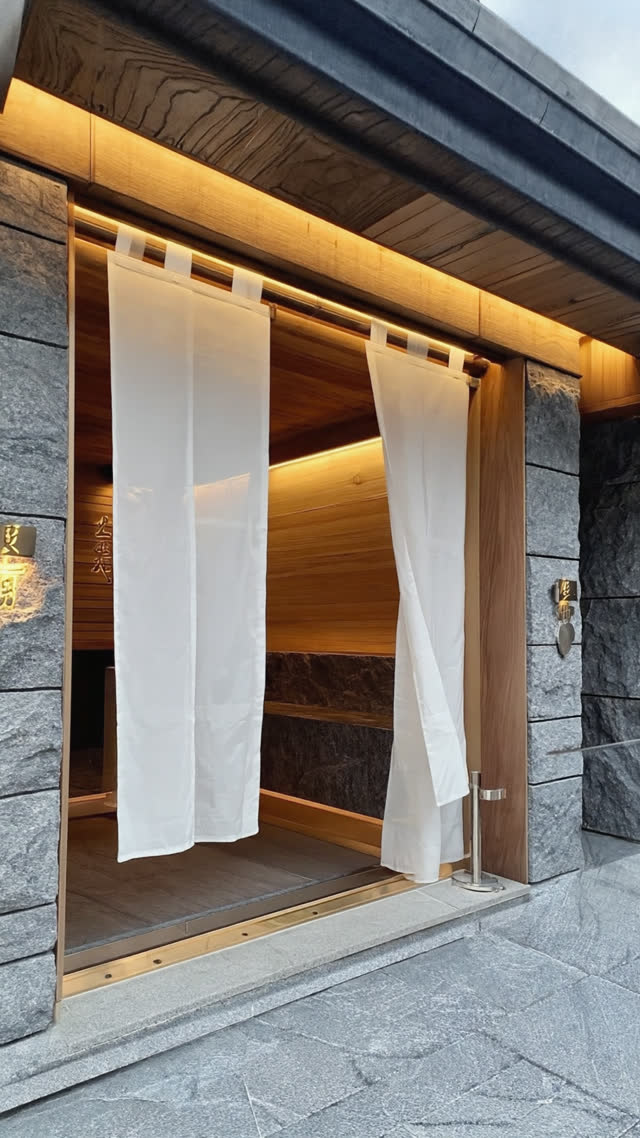
A new generation steps in
And a new generation is stepping in to take over.
Succession is the thing that had been failing. Where a bathhouse would once have closed with its owner, a younger operator taking it on turns a terminal problem into a handover.
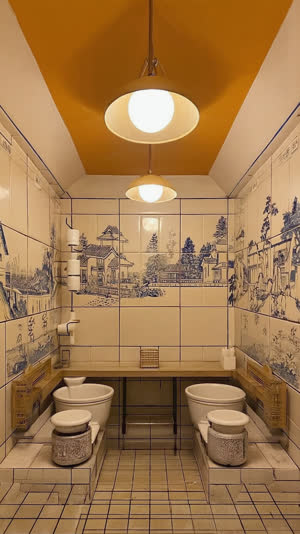
Renovated with fresh ideas
Young successors renovate old sento with bold, fresh ideas.
Renovation is what separates this from preservation. The buildings are being changed to work now, which means the thing being kept is the institution rather than the fittings.
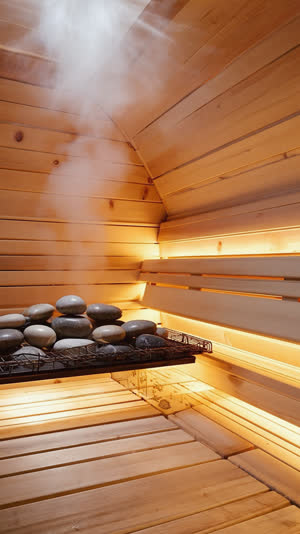
The sauna boom helps
The sauna boom pulls new crowds through very old doors.
A sauna gives a bathhouse a reason to exist for people who have a bath at home. It is the same move the room made when it was the only place with a refrigerator: add what the house does not have.
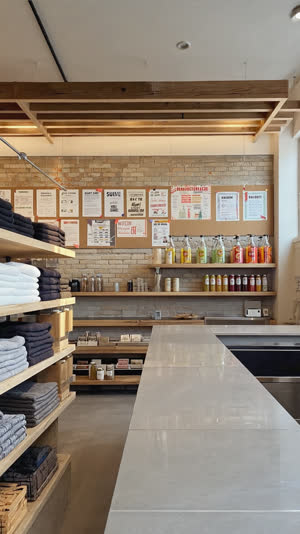
A revival in the news
Business media like Toyo Keizai now report the revival.
Coverage in the business press rather than the culture pages is the signal. It means these are being written about as viable operations rather than as nostalgia.
The story continues
A centuries-old habit, renewed one bathhouse at a time.
The series began with a room that was the town's living room because nobody had a bath. It ends with a room becoming one again, for people who all do.
The thread through Sento
Japan built its neighborhoods in the bath.
Now you know its story — and knowing makes every soak deeper. So visit a real sento in Japan — duck under the noren.
Japanese terms in this story
Sources — primary only
- Tokyo Metropolitan Government
- Toyo Keizai
Original Japanese source note
東京都が公衆浴場の耐震化等の補助事業を実施・若手継業やサウナ人気によるリノベーション銭湯の増加は東洋経済等が報道(東京都・東洋経済)