Topic · Craft
Japanese craft: the trades that outlived their purpose
Ceramics, textiles, blades, wood — and the hands that keep them alive.
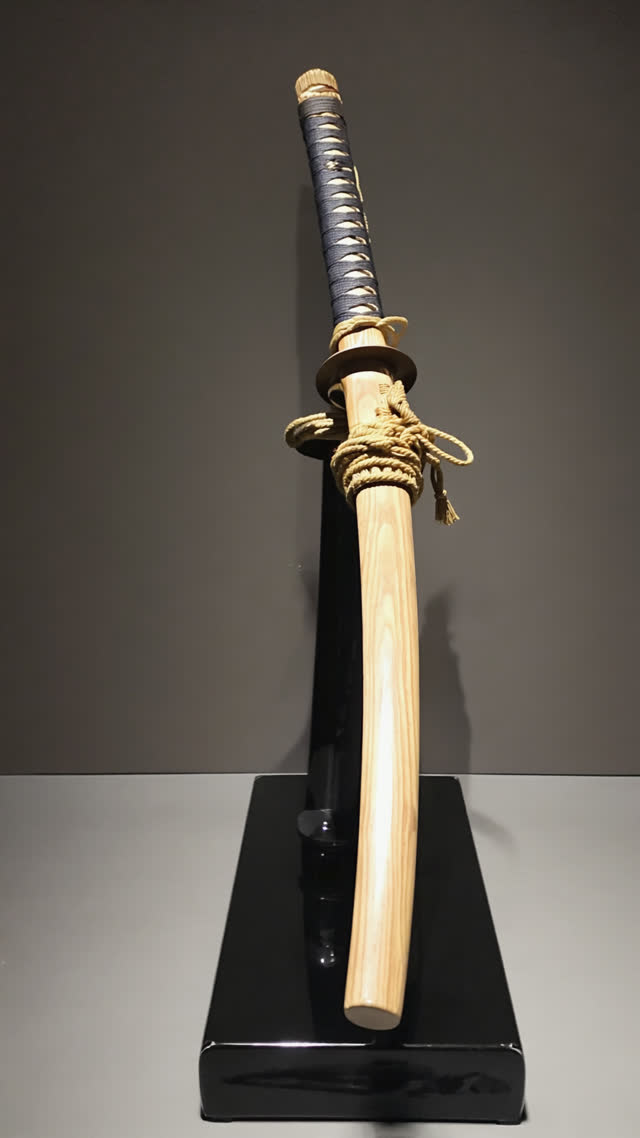
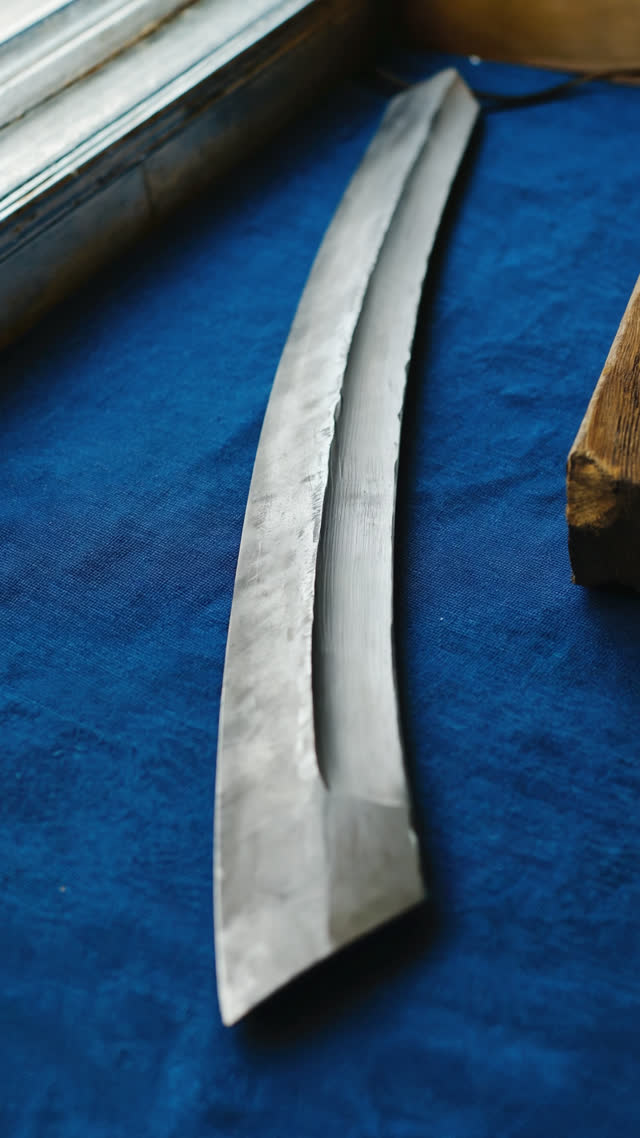
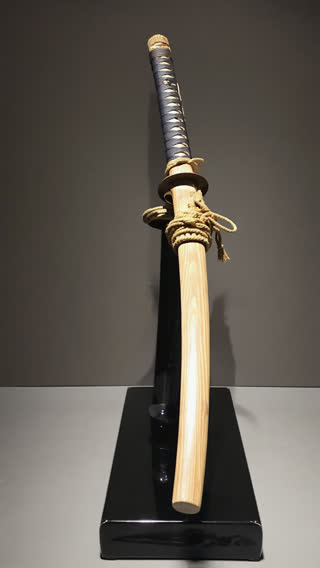
Japan keeps making things it no longer needs. The blade is the clearest case — a country at peace for generations still licenses swordsmiths, still fires the furnace that makes their steel, and still counts the days a single sword takes.
What survives is not the object but the sequence of hands. A finished blade passes through several specialist trades, none of which any one person masters, and the same skill turns up in a kitchen knife made in a town that has forged for seven hundred years.
These stories follow the technique rather than the artifact, and each one ends somewhere you can watch it happen.
Each series below is one continuous argument. The thesis is stated in the first part and restated in every part after it.
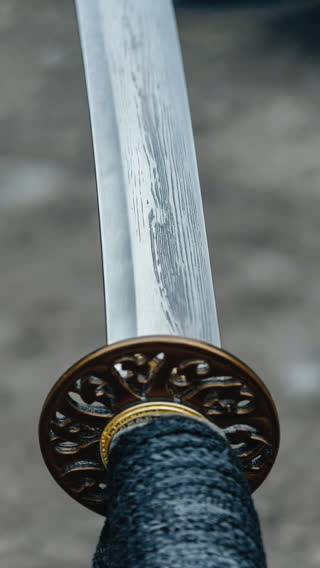
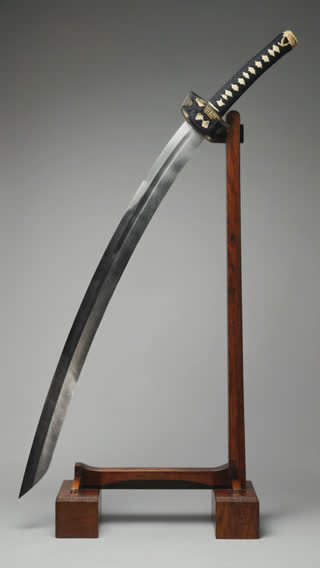
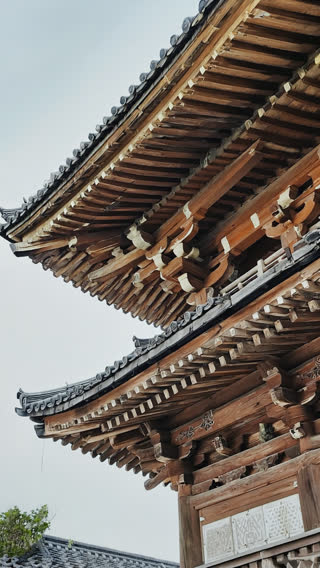
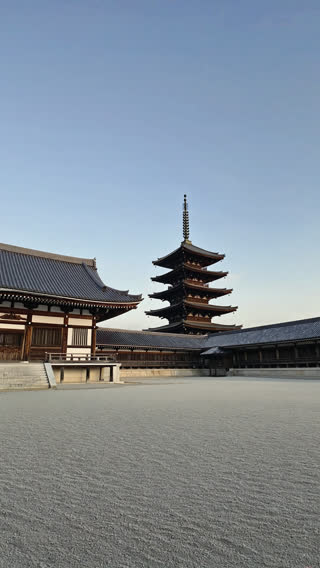
Every story here answers one question and names the ministry, prefecture, association or maker it came from. 10 questions in this topic.
- Why does Japan still make katana?
- Because the blade is now legally a work of art: under Japanese law each new sword is registered through education boards as art. Read →
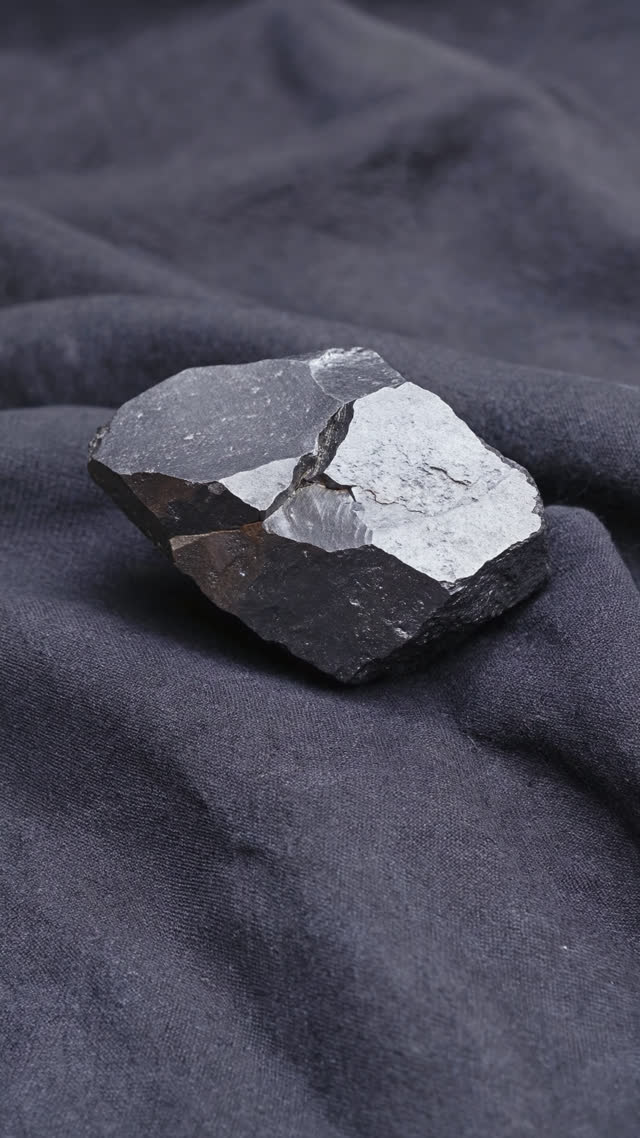
- Where does katana steel come from?
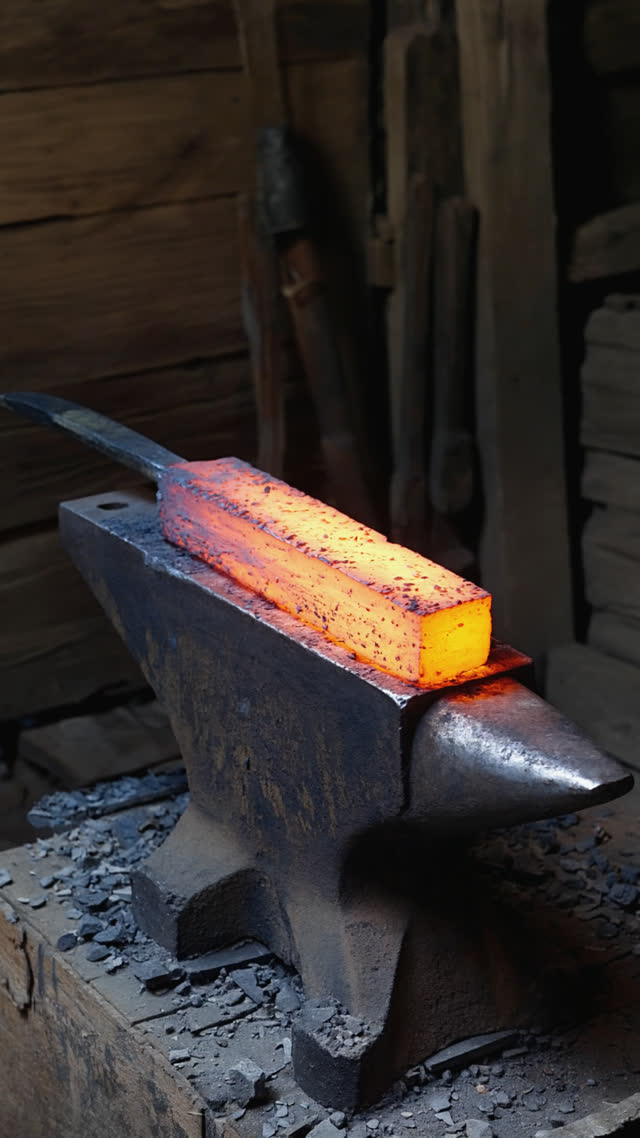
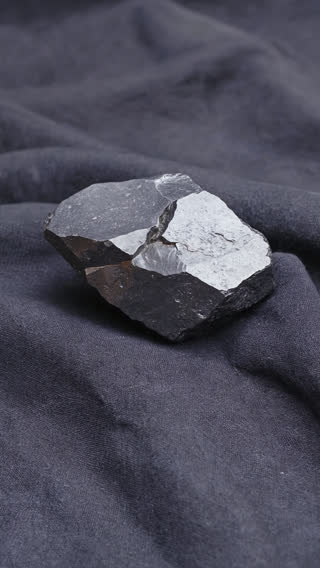
- Tamahagane, “jewel steel”, is born only from tatara smelting, and the last such furnace is the Nittoho Tatara in Okuizumo, Shimane, revived in 1977 by the NBTHK. Read →
- How many layers of steel are in a katana?
- About 33,000. Read →
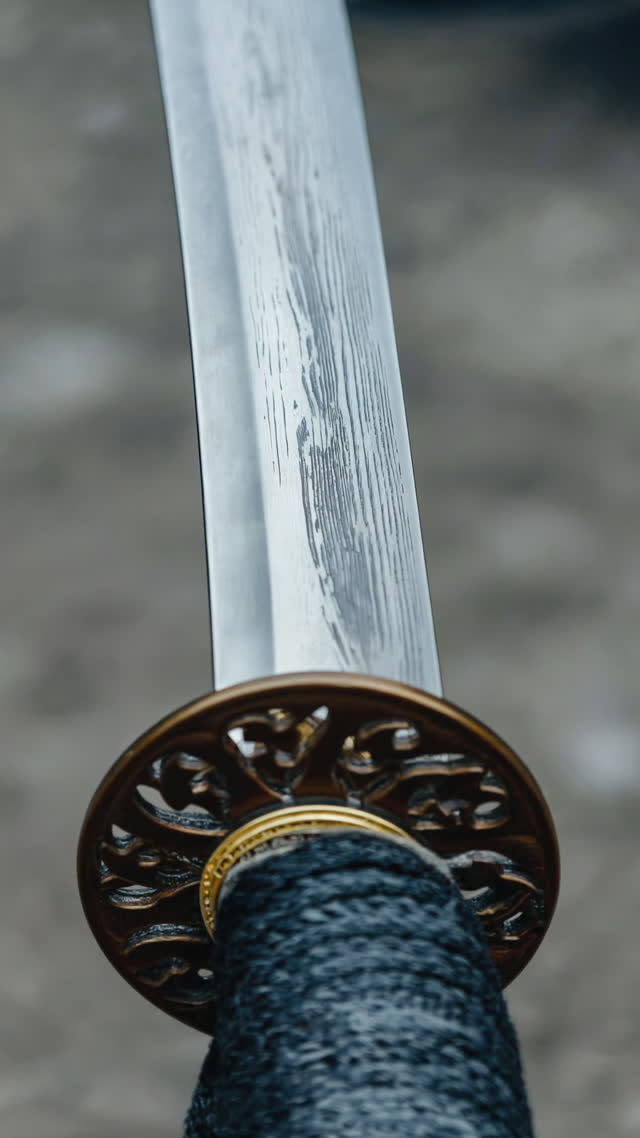
- What is the hamon on a katana?
- The wavy line is a border between two natures, not a decoration. Read →
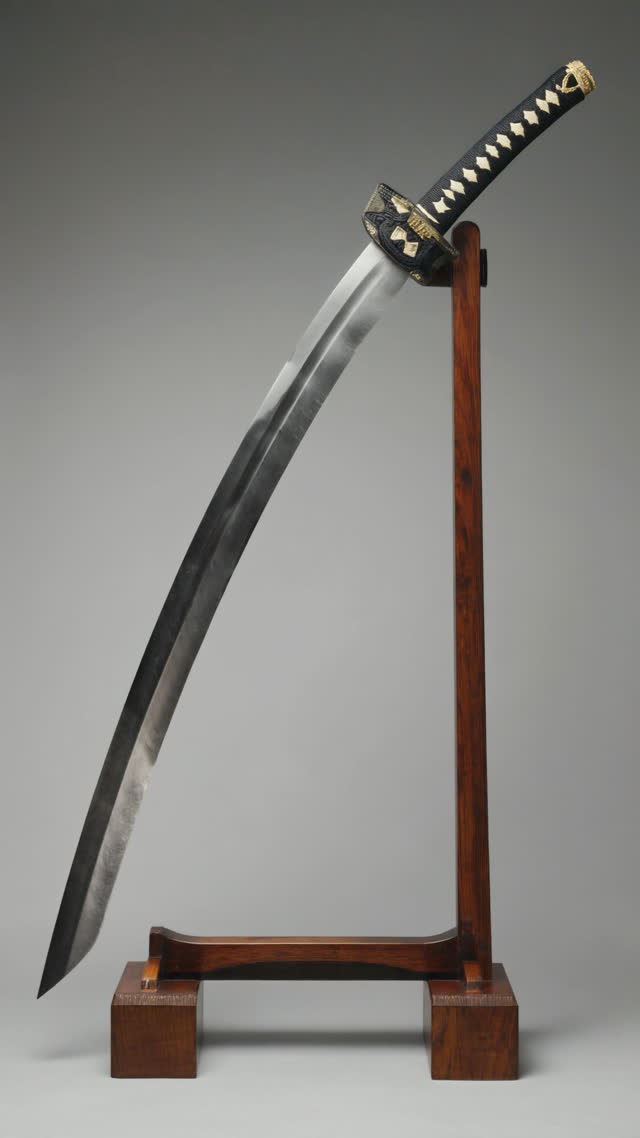
- Who finishes a katana?
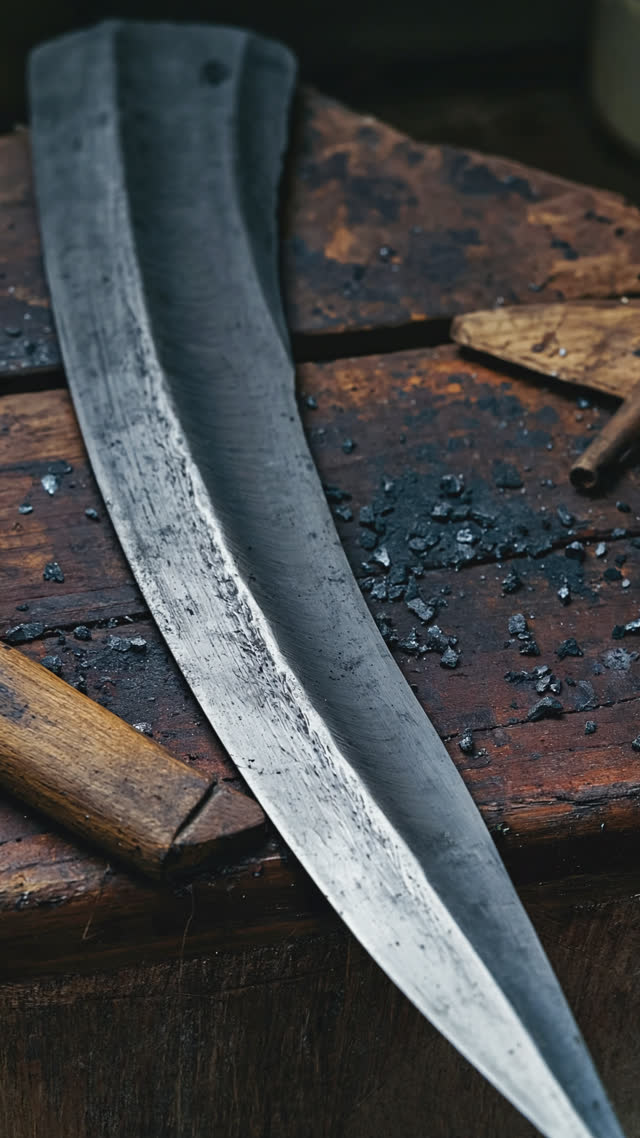
- Not the smith, but the togishi — the polisher. Read →
- Why is Seki in Gifu the knife capital of Japan?
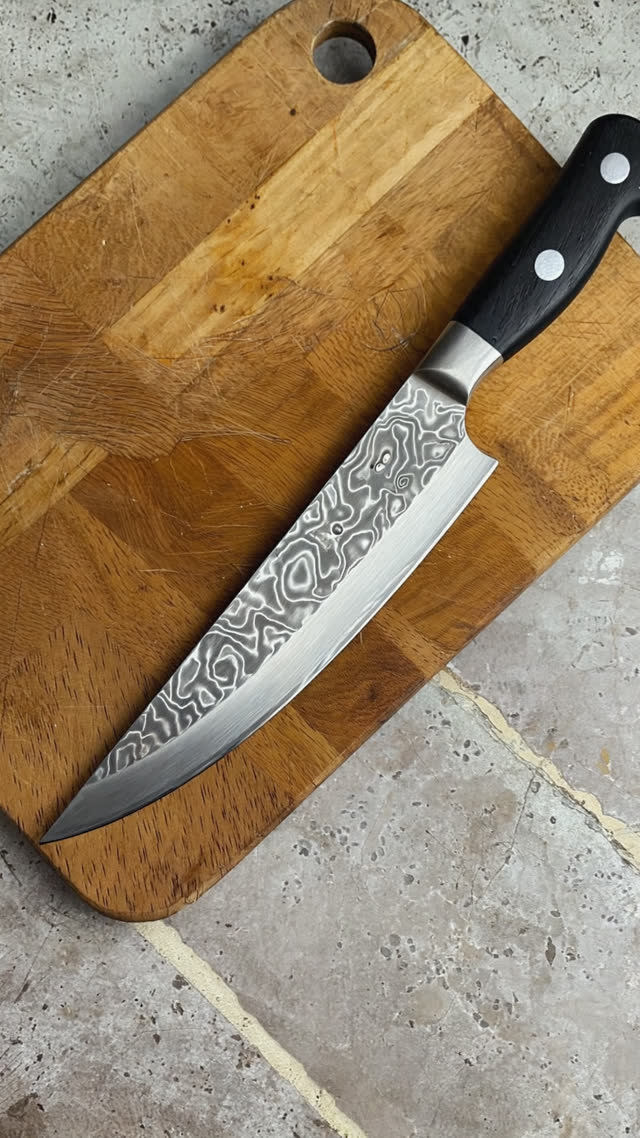
- Seki has forged blades for over 700 years, and when swords were no longer worn its smiths turned the same skill to kitchen knives. Read →
- Where can you watch a katana being forged?
- In Osafune, Setouchi City, Okayama — a home of Bizen swordsmithing for centuries where the forge never went quiet. Read →
- How do Japanese temples stand without nails?
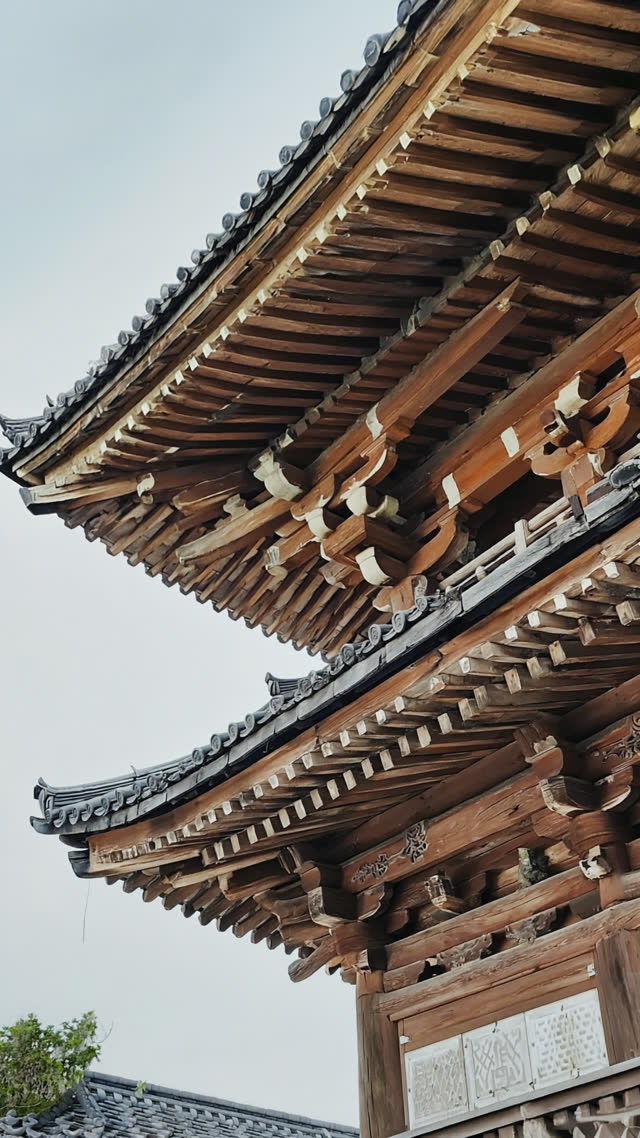
- Japanese temple carpenters join timber by cutting interlocking shapes into the wood itself, so the joint holds by geometry rather than by fasteners. Read →
- What is the oldest wooden building in the world?
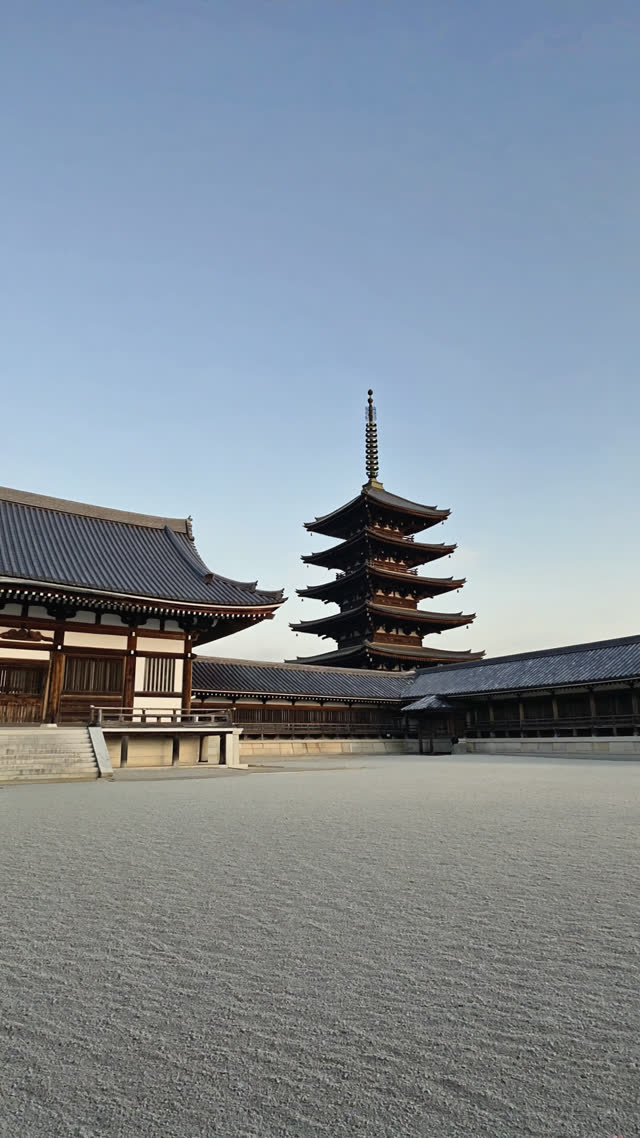
- The West Precinct of Horyuji Temple in Nara is generally recognised as the oldest surviving group of wooden buildings on earth, standing for more than 1,300 years. Read →
Katana
Temple Carpentry
Japanese terms in this collection
Each term is defined on the glossary from the story that uses it.
Sources behind these stories
- Agency for Cultural Affairs
- All Japan Swordsmith Association
- NBTHK — Society for Preservation of Japanese Art Swords
- Wako Museum
- Nagoya Token Museum
- City of Seki
- City of Setouchi
- UNESCO Intangible Cultural Heritage Lists
- Nara Prefecture