The short answer
Tamahagane, “jewel steel”, is born only from tatara smelting, and the last such furnace is the Nittoho Tatara in Okuizumo, Shimane, revived in 1977 by the NBTHK. It fires only about three times each winter, and the operation is closed to the public.
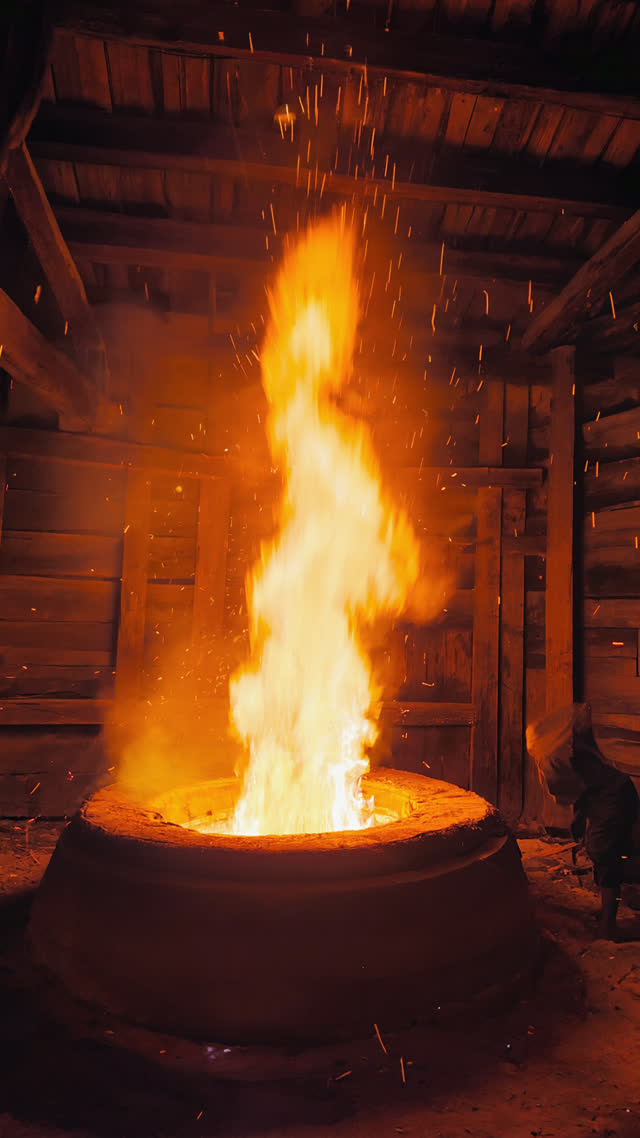
Katana Steel: One Place Only
Every katana begins as a steel that only one furnace on Earth still produces.
Tamahagane, 'jewel steel', is born only from tatara smelting. The last such furnace — the Nittoho Tatara in Okuizumo, Shimane — was revived in 1977 by the NBTHK, the Society for Preservation of Japanese Art Swords. It fires only about three times each winter, and the operation is closed to the public.
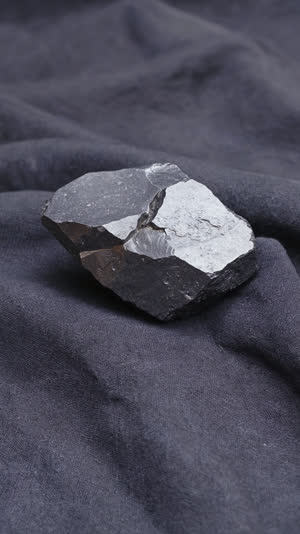
One furnace on Earth
One furnace on Earth makes this.
Not one furnace in Japan — one anywhere. Every blade an approved smith makes today traces back to a single operation, which makes the whole craft dependent on one building.
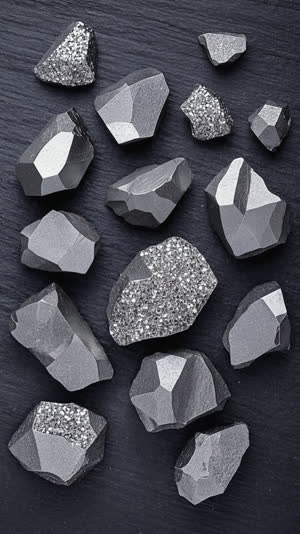
Tamahagane, jewel steel
Tamahagane — 'jewel steel' — the raw heart of every katana.
The name describes appearance rather than chemistry. This is the material every other part of the series depends on, which is why a single furnace is also a single point of failure.
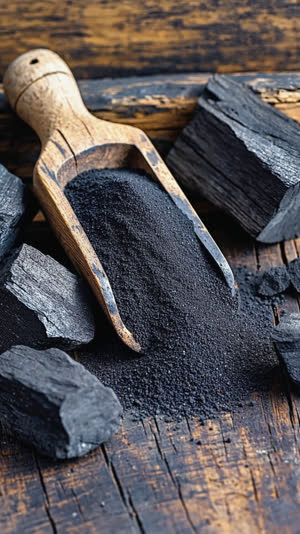
Clay, charcoal, iron sand
It forms only in a tatara — clay furnace, charcoal, iron sand.
All three inputs are unusual: iron sand rather than ore, charcoal rather than coke, and a furnace of clay rather than of brick or steel. Nothing about the process resembles modern steelmaking.
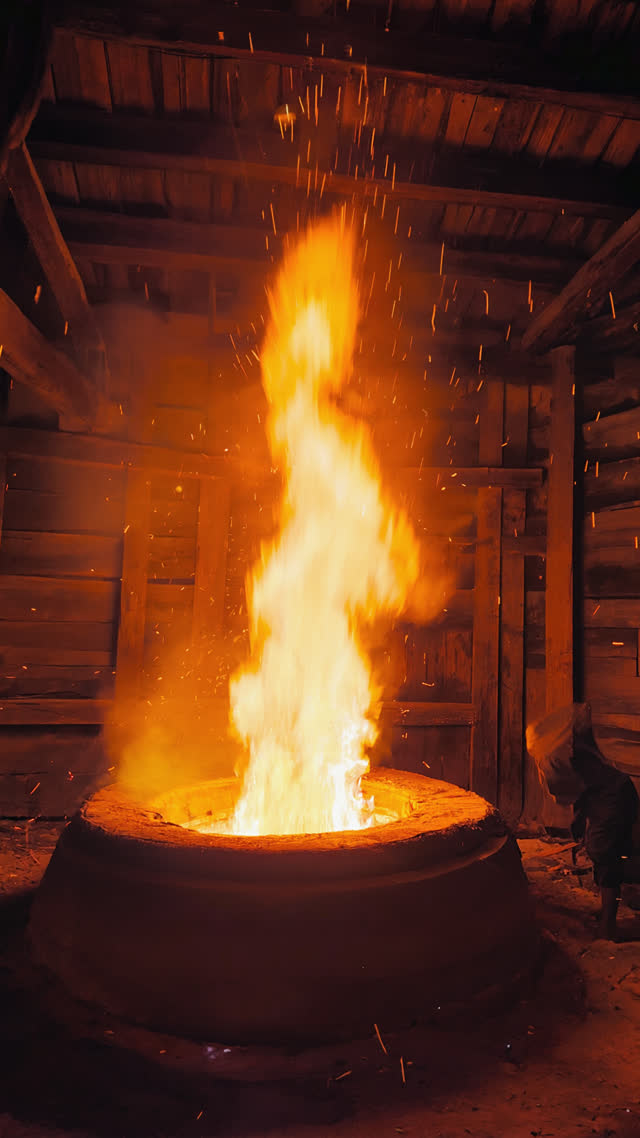
Okuizumo, Shimane
Only one survives: the Nittoho Tatara in Okuizumo, Shimane.
Okuizumo is inland Shimane, and the name Nittoho is the abbreviation of the association that runs it. The furnace is identified by its operator rather than by a place, which tells you who kept it alive.
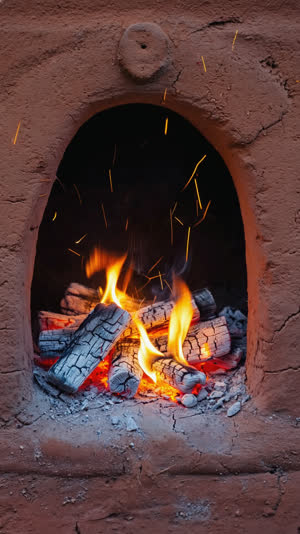
Relit in 1977
No one needed swords in 1977 — Japan relit this furnace anyway.
The date is the point. Nothing about that year created a need for this steel; the furnace was relit because the body that preserves swords decided the material had to keep existing.
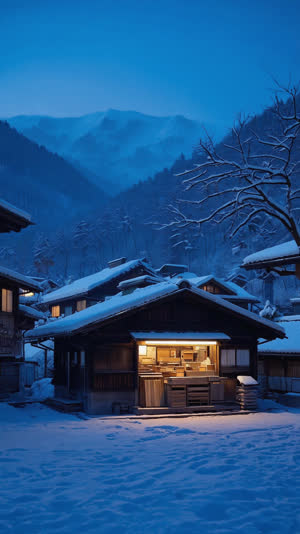
3 firings a winter
The NBTHK fires it about three times each winter.
Three firings a year set the ceiling for the entire craft. Every blade legally forged in Japan draws on what comes out of those few campaigns, which is the real reason output is counted in blades per month.
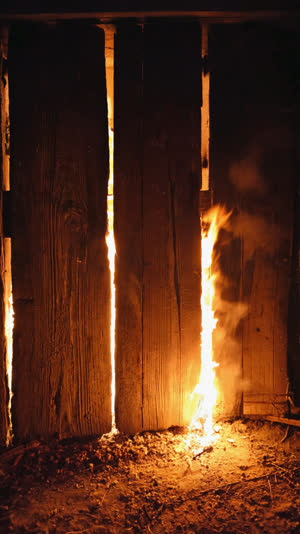
Closed to the public
The smelt is closed to the public — the fire works unseen.
This is unusual for the series, where almost every part ends somewhere you can stand. The one irreplaceable step is the one nobody watches, which is worth knowing before planning a trip around it.
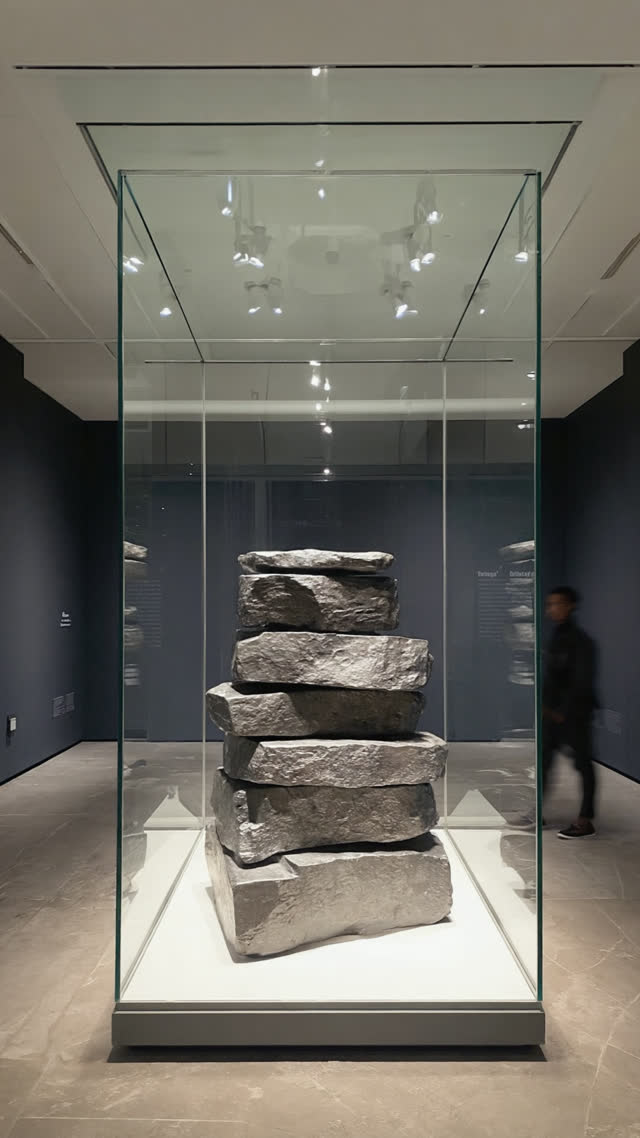
Wako Museum, Yasugi
But in Yasugi, the Wako Museum shows tamahagane and tatara tools.
Yasugi is in the same prefecture, and the museum holds the tools rather than the fire. Seeing the implements and the steel itself is the closest available substitute for a smelt you cannot attend.
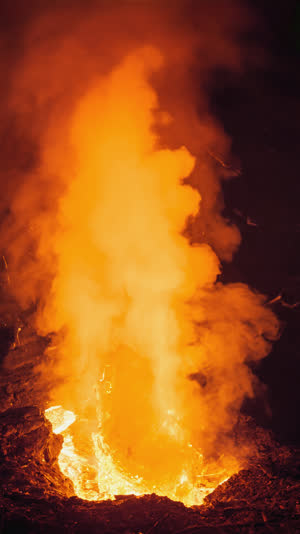
From fire to blade
From this guarded fire comes every blade the craft still makes.
Everything in the rest of this series — the folding, the clay, the quench, the polish — is work done on material from here. The chain has one link that cannot be replaced.
The thread through Katana
Japan stopped needing swords. It never stopped perfecting them.
Next, smiths fold this steel fifteen times. Watch what happens.
Japanese terms in this story
Sources — primary only
Original Japanese source note
玉鋼を作る「日刀保たたら」(島根県奥出雲町)は日本美術刀剣保存協会が1977年に復活させた国内唯一のたたら・冬季約3回操業で非公開(NBTHK公式)・体験:安来市の和鋼博物館でたたら用具(国指定重要有形民俗文化財)と玉鋼を見学できる(和鋼博物館公式)