The short answer
Because the blade is now legally a work of art: under Japanese law each new sword is registered through education boards as art. Becoming a swordsmith takes five-plus years of apprenticeship and a program approved by the Agency for Cultural Affairs — and even then, only two or three blades a month, one tachi taking over fifteen days to forge.
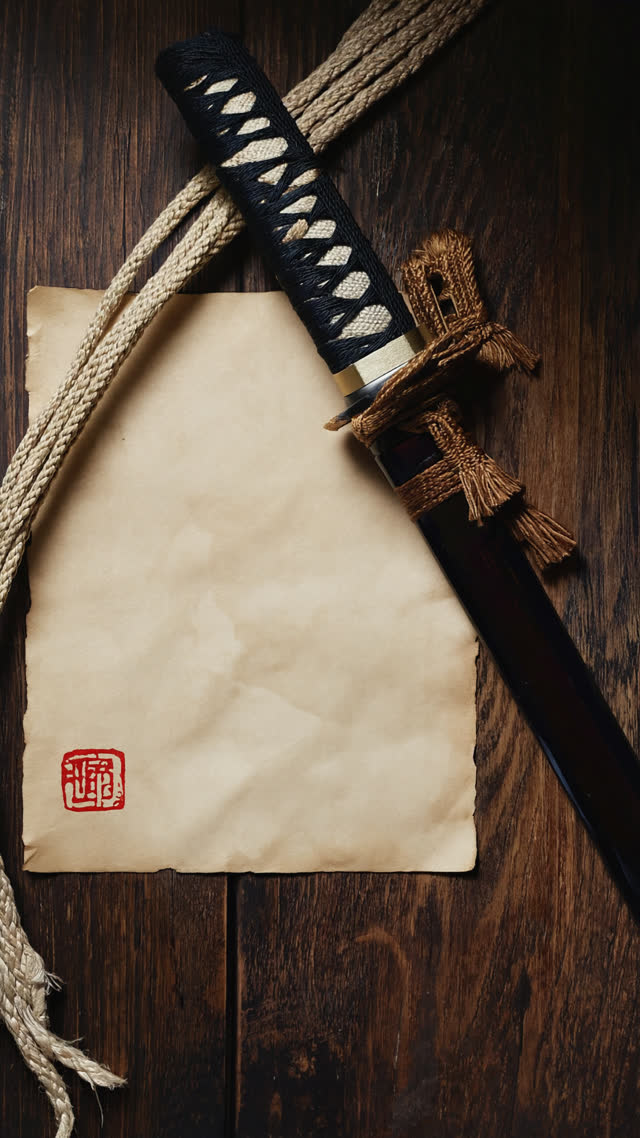
Why Japan Still Makes Swords
Japan has not needed swords for centuries — yet a smith is forging one today.
Under Japanese law, each new blade is registered through education boards as a work of art. Becoming a swordsmith takes five-plus years of apprenticeship and a program approved by the Agency for Cultural Affairs — and even then, only two or three blades a month, one tachi taking over fifteen days to forge.
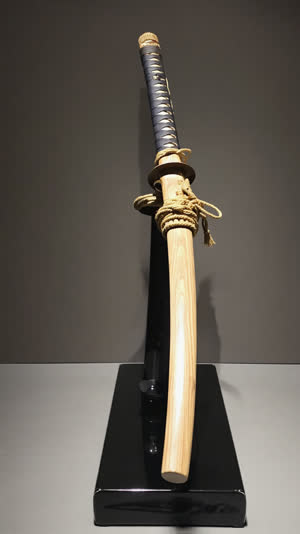
Never to be drawn
These swords will never be drawn.
The distinction is legal, not sentimental. A blade made today is registered and held as an art object, and that classification is the only basis on which a private person in Japan may own one at all.
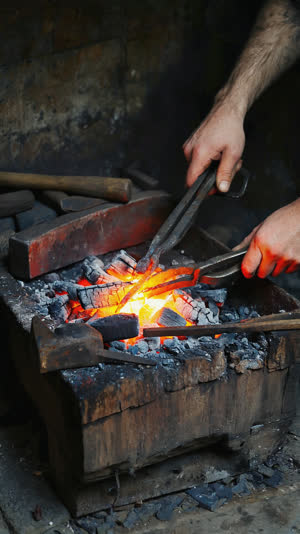
Still forged today
Right now, somewhere in Japan, a smith is forging one.
Demand for a weapon ended centuries ago, but permission to make one never lapsed with it. A small number of approved smiths still work, and their output is counted in blades per month rather than per day.
Registered as art
Every new blade is registered with the state — as art.
Registration runs through local education boards, under the same law that would otherwise treat a blade as a weapon. The paperwork that makes a sword contraband is what makes this one a work of art, and the Agency for Cultural Affairs sets the standard it has to meet.
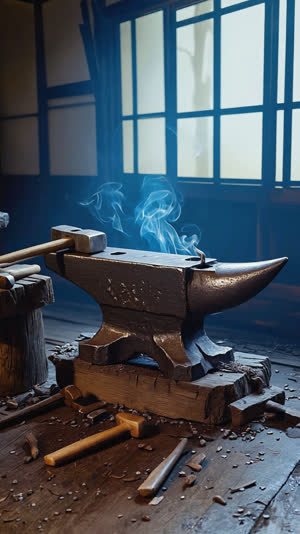
They never stopped forging
Japan stopped needing swords — it never stopped making them.
This is the thread the series follows. When the purpose of an object disappears, Japan tends to keep the method anyway — the forge outlived the war because the skill, not the weapon, was what the country decided to protect.
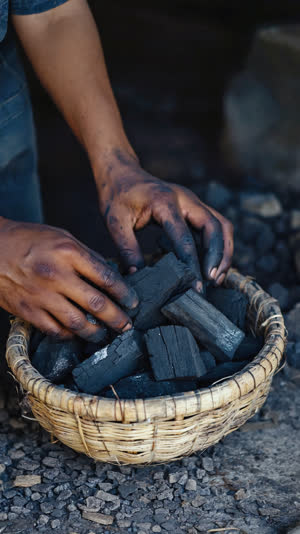
5+ years apprenticeship
Becoming a smith takes five years' apprenticeship — then state approval.
Five years is the floor, not the average. The apprenticeship is labor in someone else's forge — cutting charcoal, tending fire, watching — and it ends not in a diploma but in permission to apply for approval.
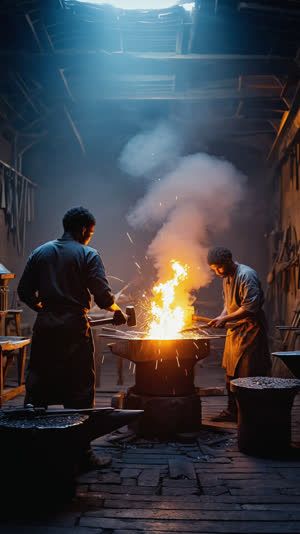
State-approved training
Only graduates of a Cultural Affairs training program may forge blades.
Approval runs through a training program under the Agency for Cultural Affairs, as documented by the All Japan Swordsmith Association. Without that certificate a person can still heat and hammer steel, but what comes out is not legally a sword.
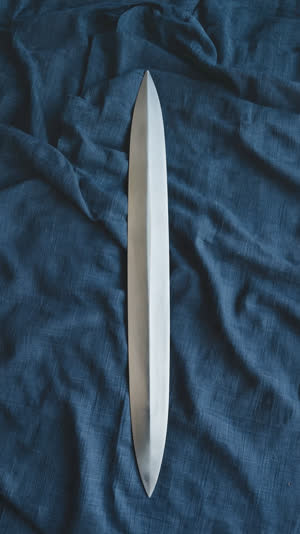
2-3 blades a month
And the pace is fixed: two, maybe three blades a month.
The ceiling is arithmetic rather than ambition. Because the forging days required for each blade are fixed by the review criteria, a smith working without pause still arrives at the same small number at the end of every month.
15+ days per blade
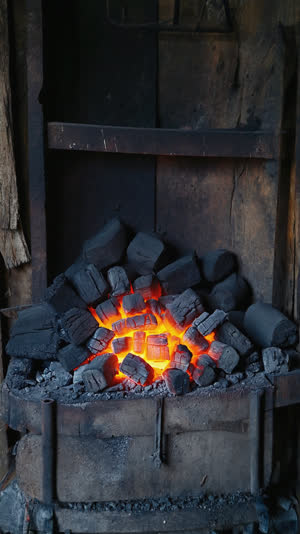
One tachi alone demands more than fifteen days at the forge.
A tachi is a long Japanese sword worn slung edge-down, and fifteen days is the minimum the criteria recognize for one. Those are days at the fire, before any of the finishing trades have touched the blade.
Meet them in Japan's museums
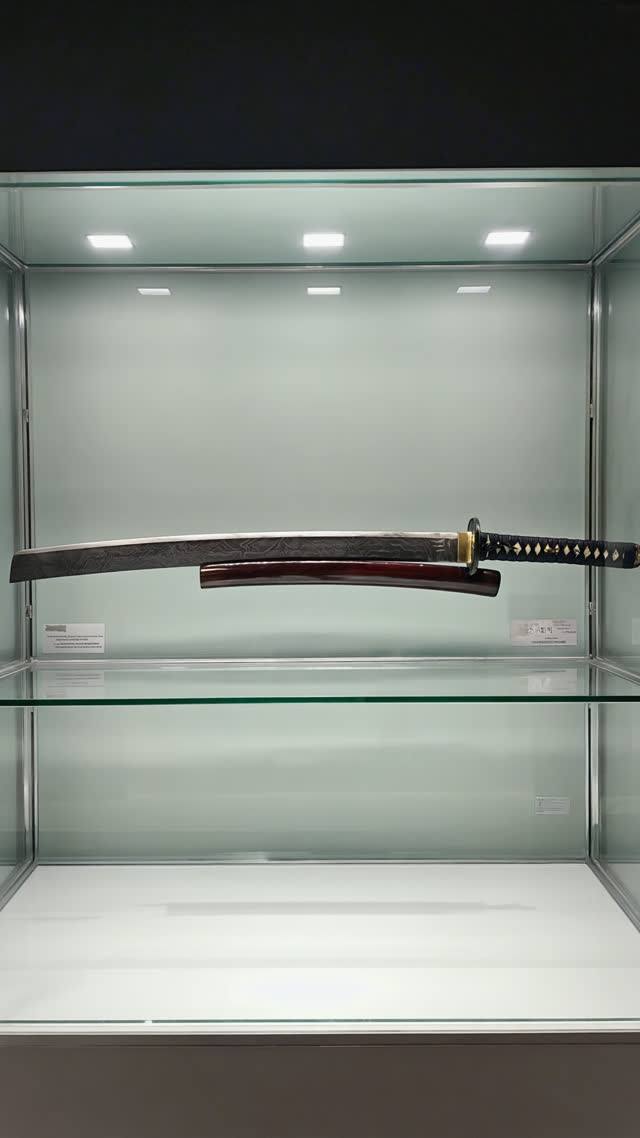
In any Japanese sword museum, you stand before art — officially.
This is the practical consequence of everything above. A sword in a Japanese museum case is not a weapon on display under special dispensation — the law and the visitor are looking at the same object, and it is labeled accordingly.
The thread through Katana
Japan stopped needing swords. It never stopped perfecting them.
Its steel comes from one place on Earth. That's next.
Japanese terms in this story
Sources — primary only
- Agency for Cultural Affairs
- All Japan Swordsmith Association
Original Japanese source note
現代の刀剣は教育委員会登録で美術品として所持可(銃刀法・文化庁)・刀匠は5年以上の修業+文化庁「美術刀剣刀匠技術保存研修会」修了で作刀承認(全日本刀匠会)・鍛錬日数基準で太刀は15日以上=月2〜3振が上限(青森県公表の審査基準)