Series · Food & Drink · 8 of 8
Japanese table manners and the single idea behind them
Japanese table manners are not etiquette. They are gratitude, made physical.
Japanese table manners look like a long list of rules until you find the sentence underneath them. Then they stop being rules.
UNESCO inscribed washoku as Intangible Cultural Heritage in December 2013 and named respect for nature as its core. That is not decoration on a certificate — it is the mechanism. The word said before every meal means 'I humbly receive'. The two chopstick moves nobody makes are avoided because both belong to funerals. The bowl is lifted because it was made light enough to lift.
Across eight parts we work outward from that one idea: why rice sits on the left, where disposable chopsticks came from, why the hot towel is free, why a dish you did not order arrives at an izakaya, and what the phrase said after the meal is actually thanking someone for.
None of it needs memorizing. Learn where each gesture comes from and you will do it correctly without trying, which is what the manners were for in the first place.
-
01
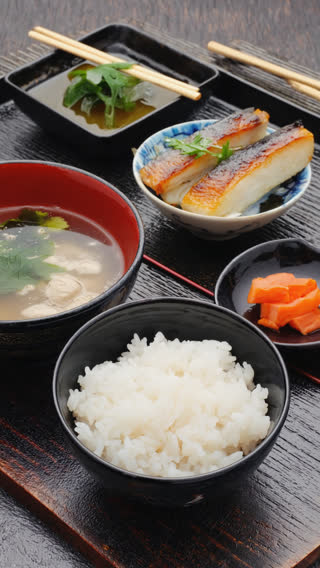 What does itadakimasu actually mean?
Itadakimasu Isn't 'Thanks'
Read →
What does itadakimasu actually mean?
Itadakimasu Isn't 'Thanks'
Read →
-
02
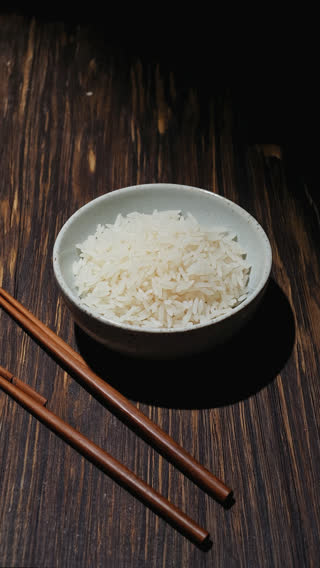 What should you never do with chopsticks in Japan?
2 Things Chopsticks Never Do
Read →
What should you never do with chopsticks in Japan?
2 Things Chopsticks Never Do
Read →
-
03
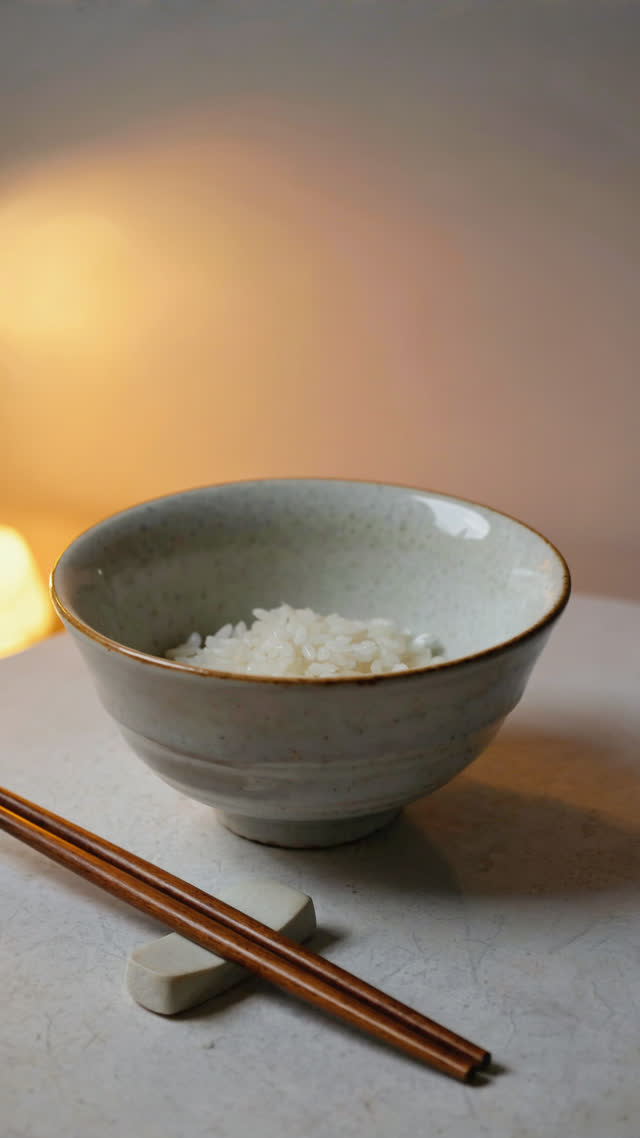
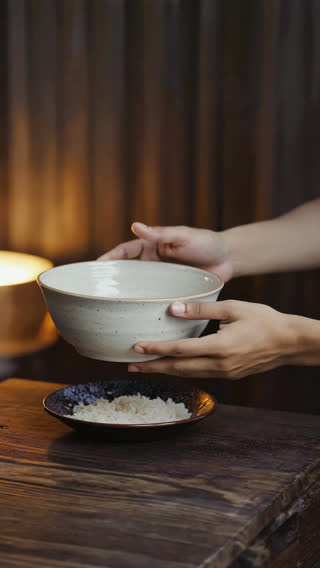 Is it rude to lift your bowl in Japan?
In Japan, Lift the Bowl
Read →
Is it rude to lift your bowl in Japan?
In Japan, Lift the Bowl
Read →
-
04
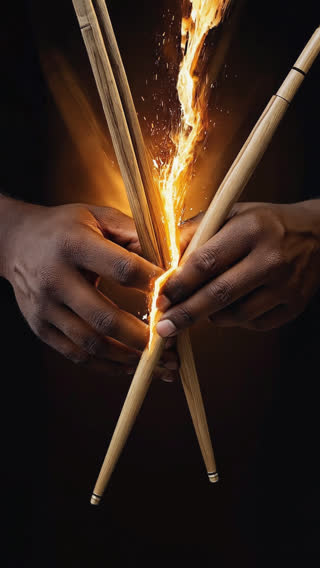 Where did disposable chopsticks come from?
Chopsticks From Sake Barrels
Read →
Where did disposable chopsticks come from?
Chopsticks From Sake Barrels
Read →
-
05
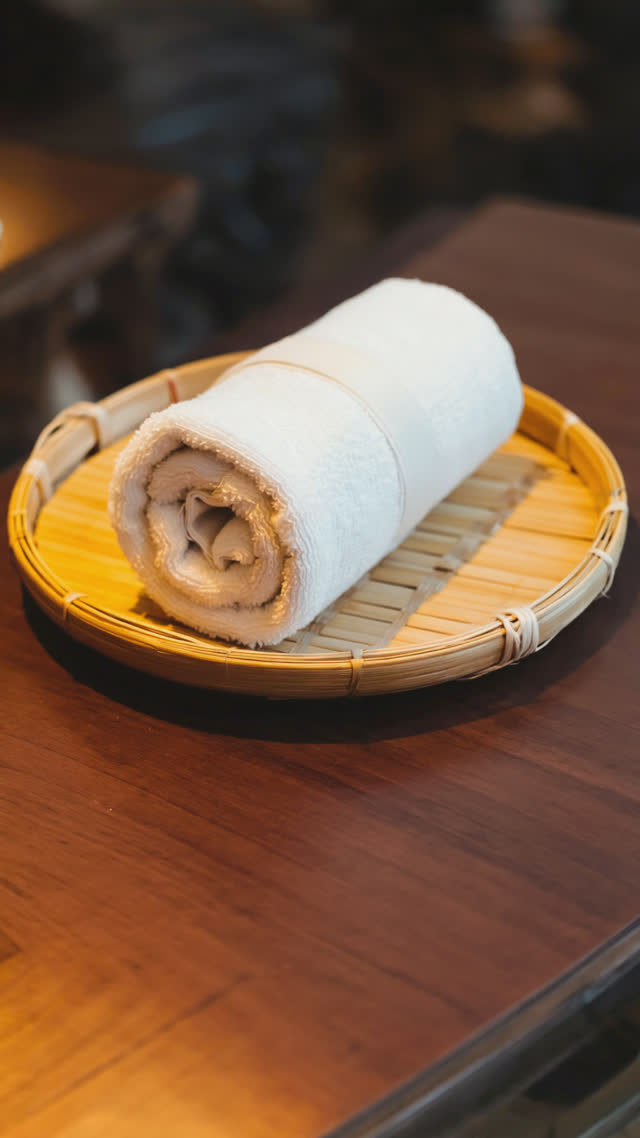
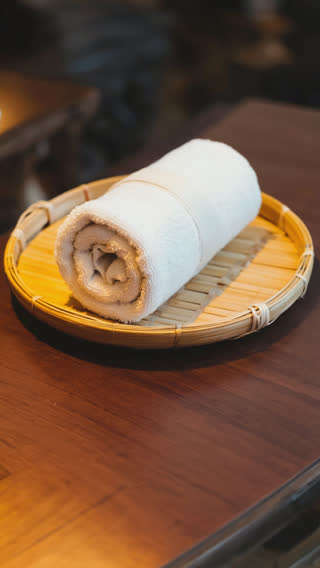 Why is the oshibori towel free in Japan?
Oshibori: The Free Welcome
Read →
Why is the oshibori towel free in Japan?
Oshibori: The Free Welcome
Read →
-
06
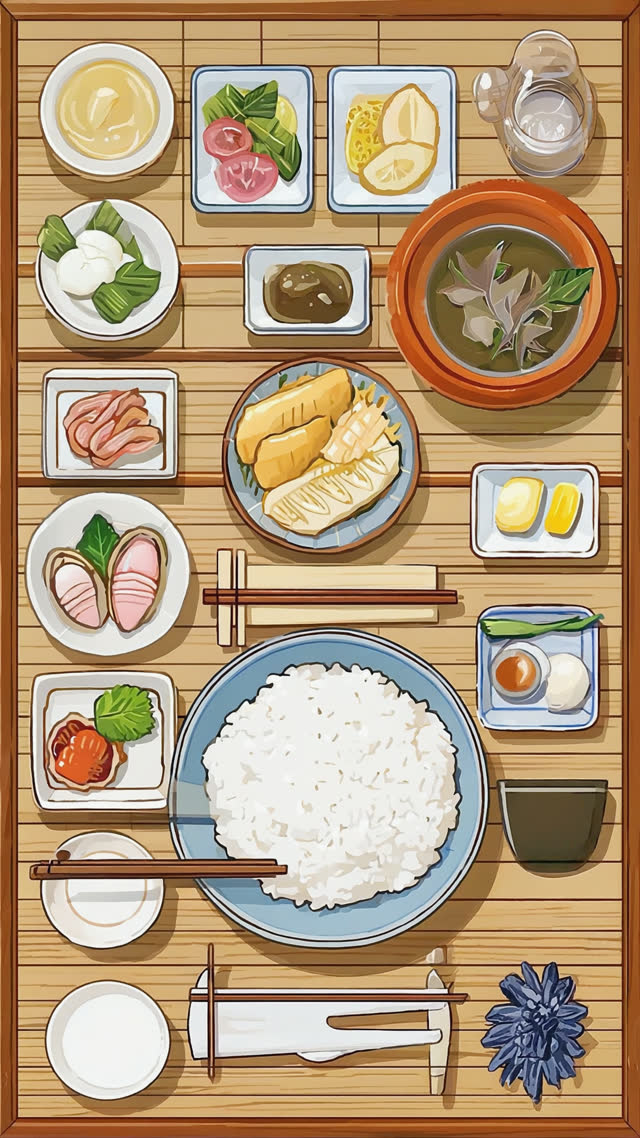
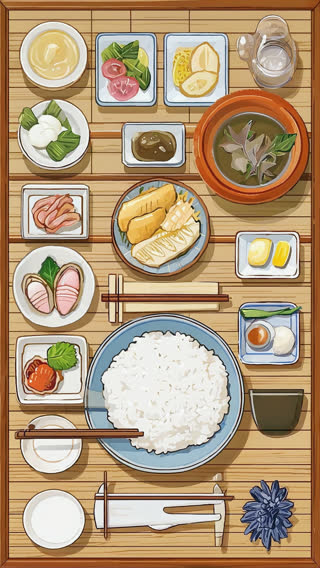 Why does rice sit on the left in a Japanese meal?
Rice Left, Soup Right. Why?
Read →
Why does rice sit on the left in a Japanese meal?
Rice Left, Soup Right. Why?
Read →
-
07
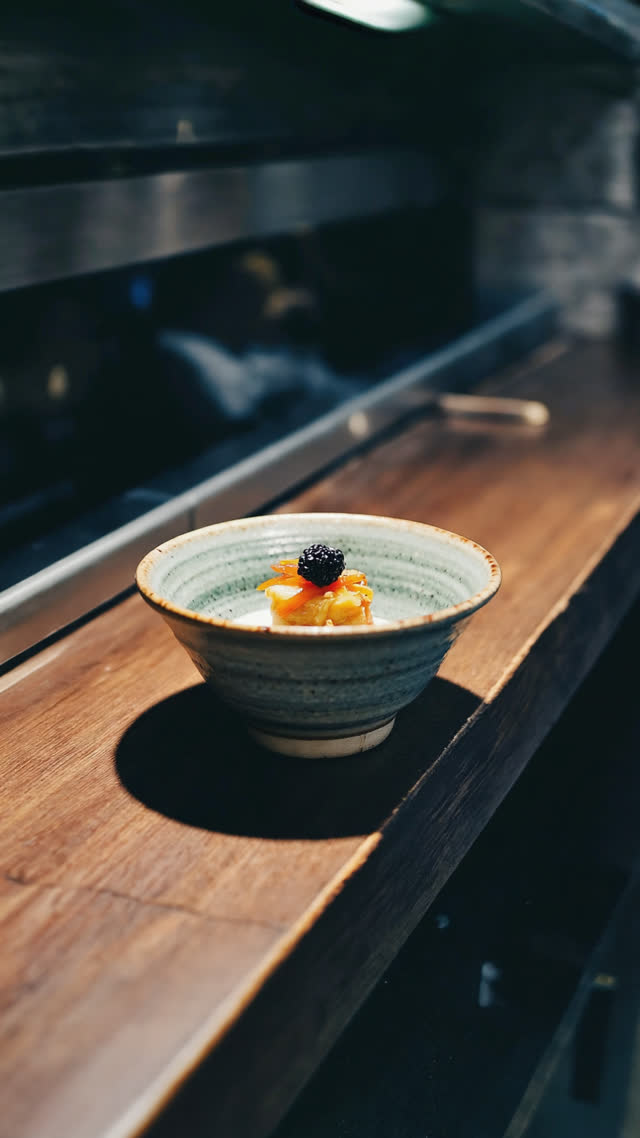
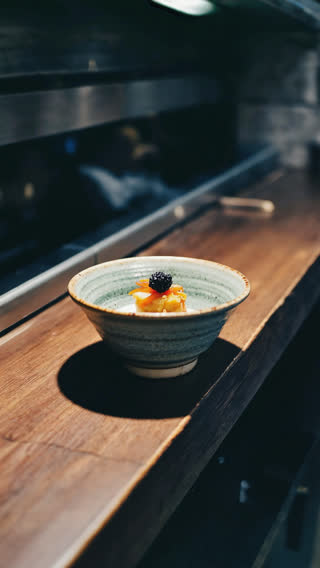 What is the otoshi dish you never ordered at an izakaya?
The Dish You Didn't Order
Read →
What is the otoshi dish you never ordered at an izakaya?
The Dish You Didn't Order
Read →
-
08
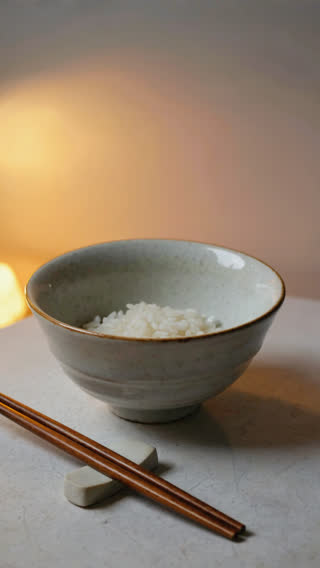 What does gochisosama mean?
Gochisosama Means 'They Ran'
Read →
What does gochisosama mean?
Gochisosama Means 'They Ran'
Read →
8 questions, each answered in one short and one article, and each traced to a primary source you can check yourself.
- What does itadakimasu actually mean?
- It means “I humbly receive” — gratitude for the lives that became the meal and for every hand that grew, caught and cooked them, not simply “let's eat”. Read →
- What should you never do with chopsticks in Japan?
- Two things, and the reason is funerary rather than etiquette. Read →
- Is it rude to lift your bowl in Japan?
- No — it is exactly right. Read →
- Where did disposable chopsticks come from?
- From sake barrels. Read →
- Why is the oshibori towel free in Japan?
- Because it is hospitality, not a product: a hot or cold hand towel offered to every guest before the meal, matched to the season. Read →
- Why does rice sit on the left in a Japanese meal?
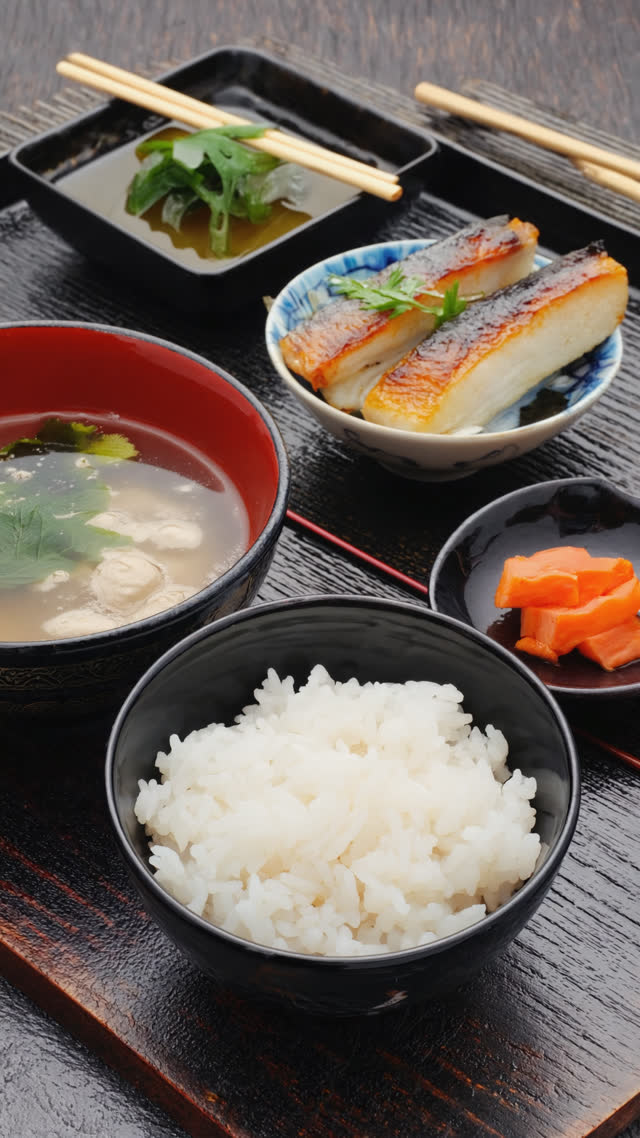
- Rice sits front-left and miso soup front-right, a layout so standard that Japan's agriculture ministry publishes placement charts. Read →
- What is the otoshi dish you never ordered at an izakaya?
- Otoshi is a bite-sized appetizer that doubles as the seat charge — Japan's edible cover charge. Read →
- What does gochisosama mean?
- It is built on chiso, a word that originally meant running about: before convenience, hosts literally ran to gather food for a guest, and the phrase became thanks for that unseen effort. Read →
Every part of this series ends somewhere you can actually stand. Here they are together.
- At your next meal in Japan, pause, say it, and mean it.What does itadakimasu actually mean?
- At your next meal in Japan, rest your chopsticks on the hashioki and feel the difference.What should you never do with chopsticks in Japan?
- Tonight in Japan, lift the bowl with confidence — you're doing it right.Is it rude to lift your bowl in Japan?
- Next time you split a cedar pair in Japan, smell it — that scent is Yoshino.Where did disposable chopsticks come from?
- At your next meal in Japan, receive it with both hands and feel the welcome before the food.Why is the oshibori towel free in Japan?
- Order any teishoku set in Japan and read the map before you lift your chopsticks.Why does rice sit on the left in a Japanese meal?
- At your next izakaya in Japan, greet that little dish as your ticket in.What is the otoshi dish you never ordered at an izakaya?
- Say it after your next meal in Japan — then listen for the kitchen answering back.What does gochisosama mean?
Japanese terms in this collection
Each term is defined on the glossary from the story that uses it.
Sources behind these stories
- Ministry of Agriculture, Forestry and Fisheries
- Agency for Cultural Affairs
- Hyozaemon
- Japan Chopstick Culture Research Association
- Korea Agro-Fisheries & Food Trade Corporation
- Yoshino Chopstick Manufacturing Cooperative
- Nara Prefecture
- All Japan Oshibori Cooperative Federation
- National Consumer Affairs Center of Japan
- National Diet Library