What does itadakimasu actually mean?
Itadakimasu — who are you actually thanking?
The short answer
It means “I humbly receive” — gratitude for the lives that became the meal and for every hand that grew, caught and cooked them, not simply “let's eat”. On December 4, 2013 UNESCO inscribed washoku as Intangible Cultural Heritage, naming respect for nature as its core.
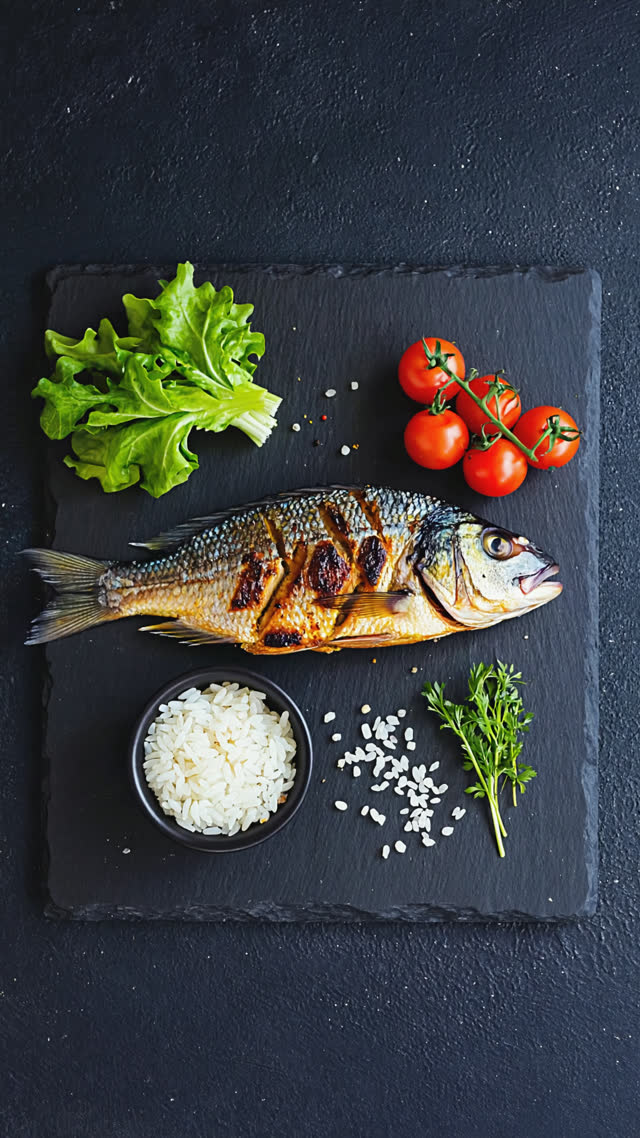
Itadakimasu Isn't 'Thanks'
Before every meal, Japan says one word — and it isn't just 'let's eat.'
'Itadakimasu' literally means 'I humbly receive' — gratitude for the lives that became the meal and for every hand that grew, caught and cooked them. On December 4, 2013, UNESCO inscribed washoku as Intangible Cultural Heritage, naming respect for nature as its core. Every manner in this series flows from that single idea.
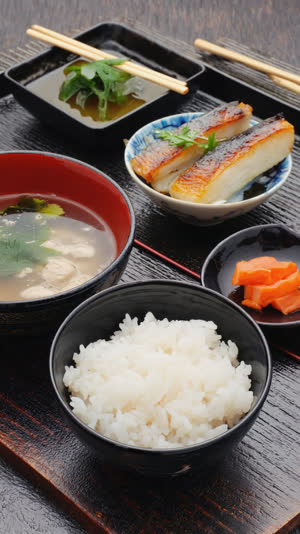
One word before every meal
One word opens every meal here.
It is said in restaurants, in canteens and alone at home, and it is said whether or not anyone cooked for you. That makes it less a courtesy to a host than a statement about the food itself.
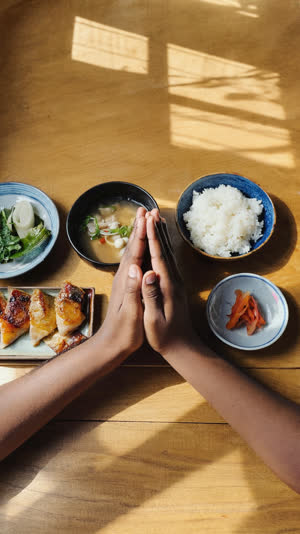
Itadakimasu
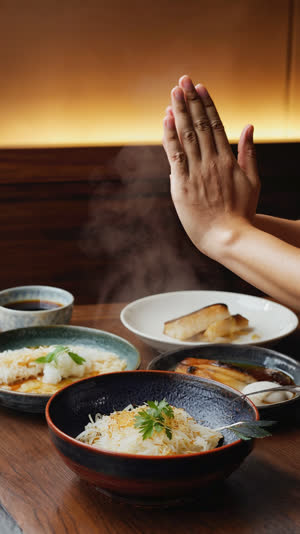
Itadakimasu — hands together, a small bow, then you eat.
The gesture is short enough to miss. Nobody waits for silence or for everyone to be served in the way a grace might require; the pause is measured in a second or two.
Not just 'let's eat'
Most translations say 'let's eat.' That misses almost everything.
'Let us eat' points at the people around the table. The Japanese word points somewhere else entirely, and translating it as an invitation loses the one thing it is actually doing.
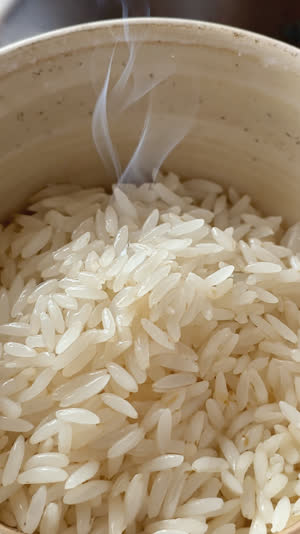
'I humbly receive'
It literally means 'I humbly receive.' Receive what, exactly?
The verb is the humble form, the one used when something is given to you by someone above you. So the sentence has a giver built into its grammar, and the rest is a question of who that is.
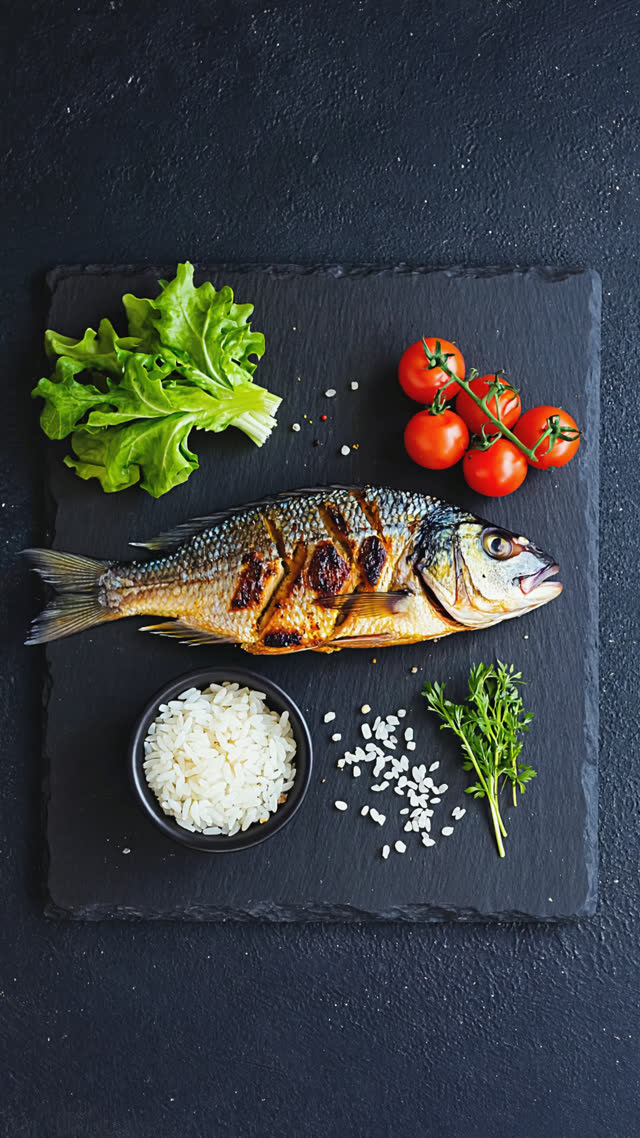
Receiving lives
The lives on the plate — the fish, the rice, the vegetables.
Rice and vegetables count here as much as the fish. The word draws no line between animals and plants, which is where this stops resembling a religious grace and starts resembling a position on food.
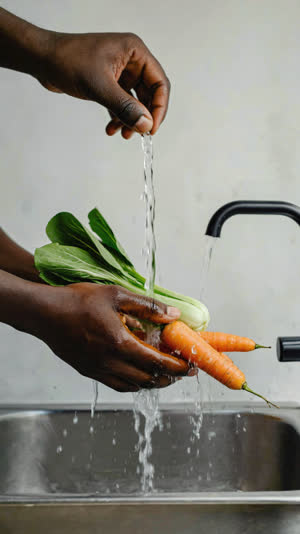
Thanks to every hand
And every hand that grew, caught and cooked them.
The second recipient is human labor, most of it invisible from the table. Japan's agriculture ministry explains the phrase in exactly these terms, which is why it turns up in public materials rather than only in temples.
Gratitude made visible
Japanese table manners aren't rules — they're gratitude made visible.
This is the thesis the series keeps returning to. Every specific manner ahead — where the rice sits, which chopstick moves are avoided, why the bowl is lifted — is a physical form of the sentence you just said.
UNESCO, 2013
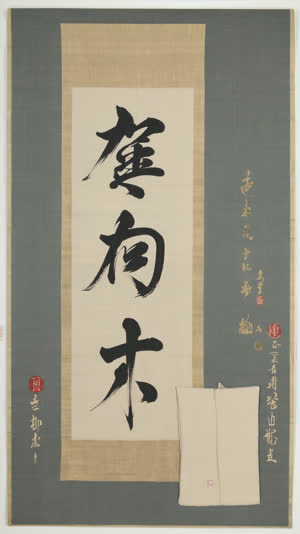
December fourth, twenty thirteen: UNESCO lists washoku — core value, respect for nature.
What was listed was not a set of dishes but a social practice, and the citation names respect for nature as its core. That wording is why this series treats washoku as a way of behaving rather than a menu.
Say it tonight in Japan
At your next meal in Japan, pause, say it, mean it.
The pause matters more than the pronunciation. Saying it at a convenience-store counter is as correct as saying it at a ryokan dinner, because the sentence is addressed to the food, not the room.
The thread through Washoku
Japanese table manners are not etiquette. They are gratitude, made physical.
But two chopstick moves can silence a table. That's next.
Japanese terms in this story
Sources — primary only
Original Japanese source note
2013年12月4日「和食」がユネスコ無形文化遺産登録・核は「自然の尊重」・いただきますは命への感謝と農水省が解説(農林水産省・文化庁)