What should you never do with chopsticks in Japan?
Two chopstick moves Japan never makes
The short answer
Two things, and the reason is funerary rather than etiquette. Standing chopsticks upright in rice recalls makura-meshi, the bowl offered to the dead; passing food chopstick-to-chopstick recalls kotsuage, when family members pass bones after cremation.
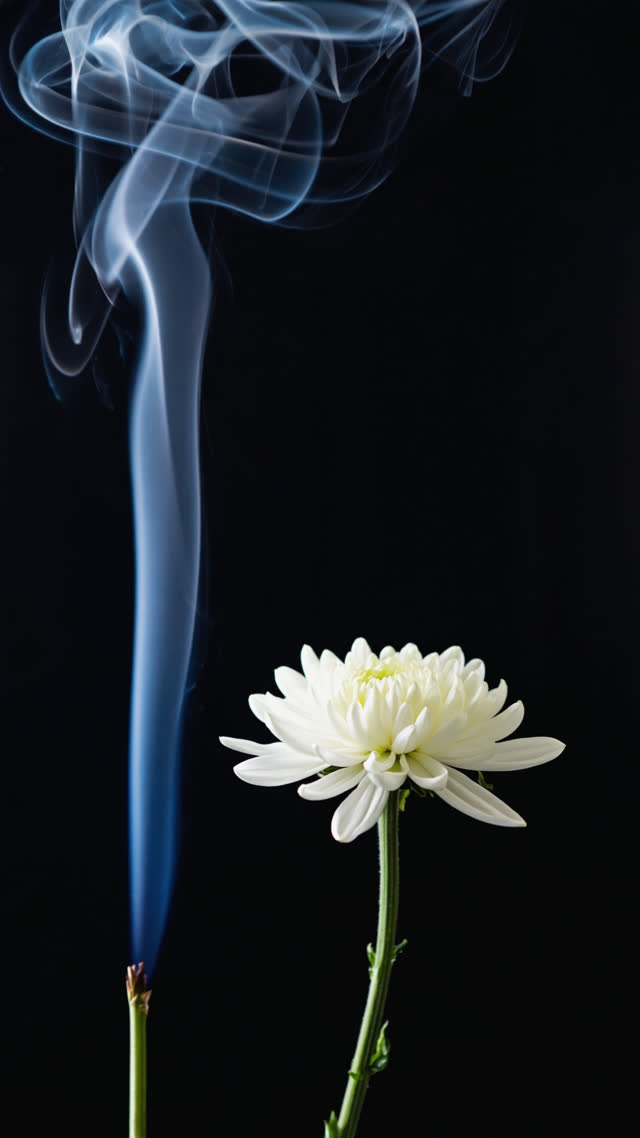
2 Things Chopsticks Never Do
There are two things Japanese diners almost never do with chopsticks — and the reason isn't etiquette.
Standing chopsticks upright in rice recalls makura-meshi, the bowl offered to the dead. Passing food chopstick-to-chopstick recalls kotsuage, when family members pass bones after cremation. Avoiding them is not a rulebook — it is reverence for the dead, kept visible at the table.
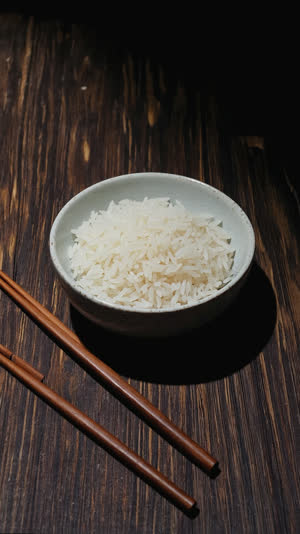
Two chopstick taboos
Two chopstick moves silence a table.
Neither move is clumsy or unhygienic, which is what makes them hard to guess. They look like ordinary ways to handle chopsticks, and the objection has nothing to do with the food.
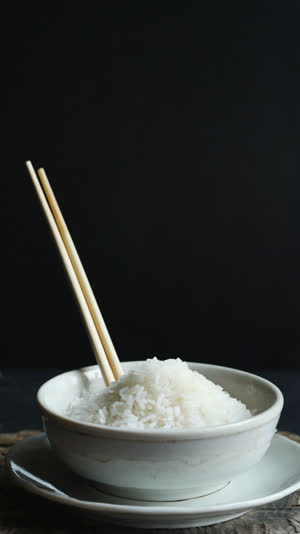
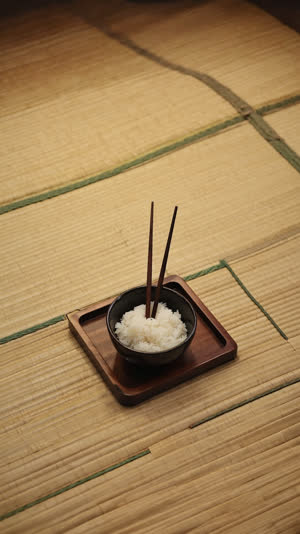
Upright in rice
First: standing your chopsticks upright in a bowl of rice.
It is the natural thing to do if you want both hands free, which is exactly why visitors do it. The bowl of rice is what turns the gesture into a reference; standing them in anything else does not read the same way.
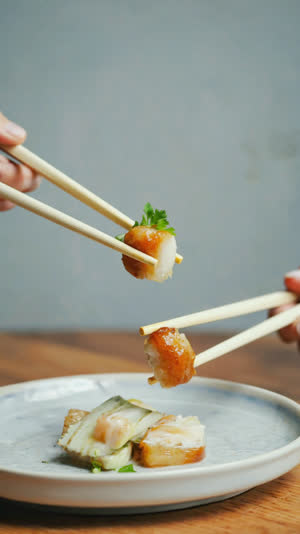
Chopstick to chopstick
Second: passing food from your chopsticks directly to another's.
Sharing food is normal at a Japanese table. The objection is to the specific handover, tip to tip — putting the piece on the other person's plate instead is unremarkable.
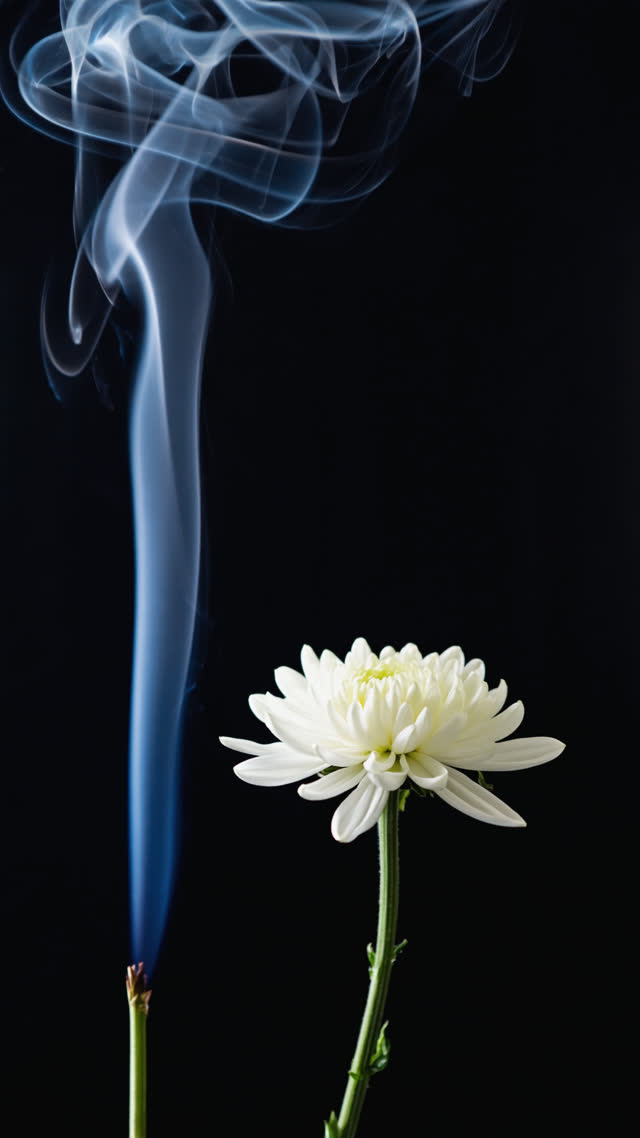
Both come from funerals
Both gestures belong to one place — the Japanese funeral.
This is why the reaction is stronger than for other breaches. Reaching for something wrongly is a lapse in form; these two quote a funeral rite at a dinner table, which is a different order of mistake.
Makura-meshi: rice for the dead
Upright in rice is makura-meshi, the last bowl for the dead.
Makura-meshi is the bowl set by the pillow of someone who has died, with the chopsticks stood in it. The gesture at your table is legible because the rite is still performed.
Kotsuage: passing the bones
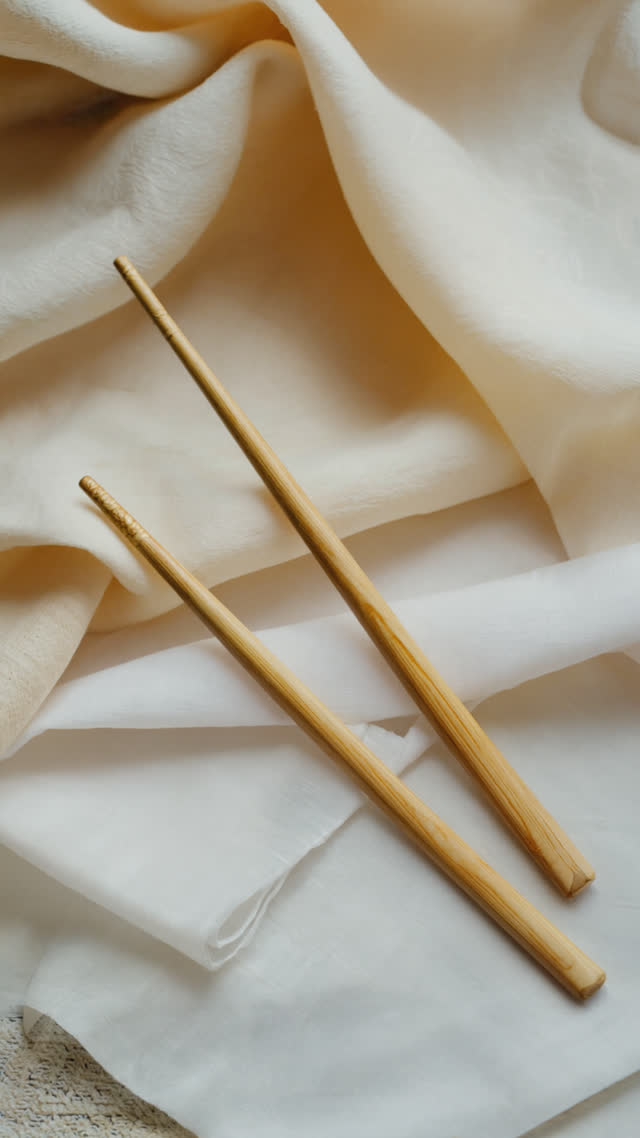
Chopstick-to-chopstick is kotsuage — family passing bones after cremation.
In kotsuage the family lifts bones from the ashes and passes them between chopsticks into the urn. Almost every Japanese adult has done it, which is why the resemblance registers instantly.
Reverence, made visible
This isn't a rulebook — it's reverence made visible at the table.
The series thesis, in its sharpest form. These two manners cannot be explained as hygiene or convenience; they exist because the table borrows gestures from the funeral, and so avoids them.
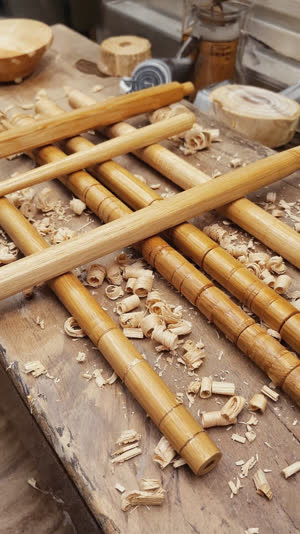
Hyozaemon still teaches
Chopstick makers like Hyozaemon still pass these origins on today.
The knowledge sits with the trade rather than in law. Makers and the Japan Chopstick Culture Research Association publish the list of avoided moves, which is how a funeral custom survives inside a set of table manners.
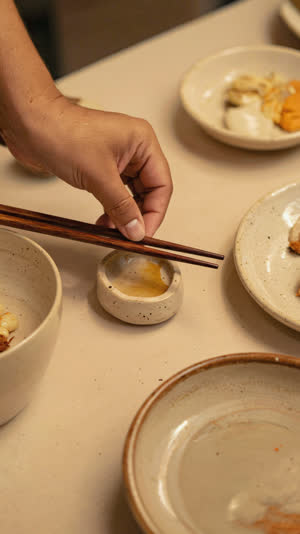
Rest them on the holder
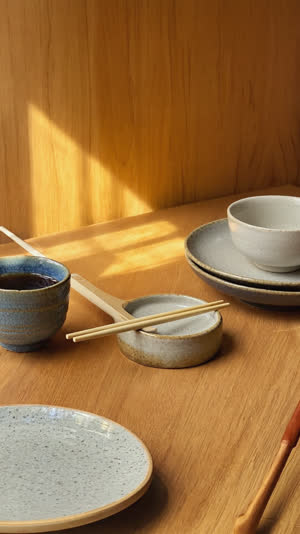
In Japan, lay your chopsticks on the hashioki between bites.
The hashioki is the small rest beside the plate, and using it solves the problem before it arises. With somewhere to put them down, the upright position never suggests itself.
The thread through Washoku
Japanese table manners are not etiquette. They are gratitude, made physical.
And that bowl? You're supposed to pick it up. Next.
Japanese terms in this story
Sources — primary only
- Hyozaemon
- Japan Chopstick Culture Research Association
Original Japanese source note
立て箸は枕飯・箸渡しは骨上げを連想させ忌避される嫌い箸(兵左衛門・はし和文化研究会)