What is the oldest wooden building in the world?
Still standing after 1,300 years
The short answer
The West Precinct of Horyuji Temple in Nara is generally recognised as the oldest surviving group of wooden buildings on earth, standing for more than 1,300 years. The temple was founded in 607 and became Japan's first UNESCO World Heritage site in 1993.
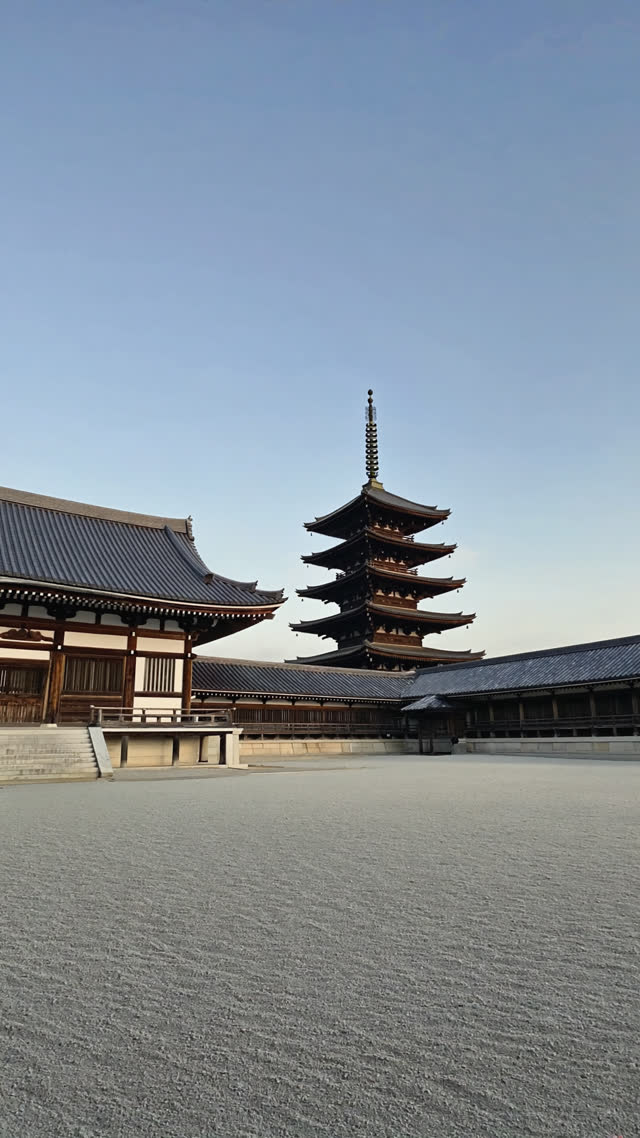
1,300 Years, Still Standing
The oldest wooden buildings on earth are not ruins. They are a working temple, and you can walk in.
Horyuji in Nara was founded in 607, and the halls of its West Precinct have stood for more than 1,300 years — long enough to outlast the country's capitals. In 1993 it became Japan's first UNESCO World Heritage site.
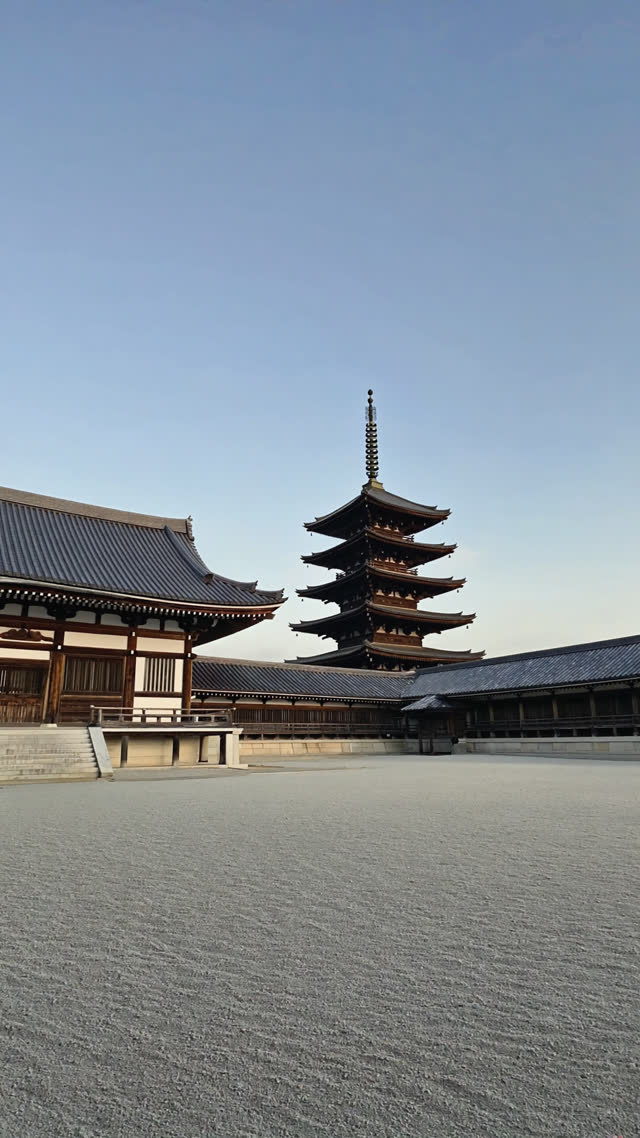
Over 1,300 years old
These buildings are over 1,300 years old.
The West Precinct at Horyuji is generally recognised as the oldest surviving group of wooden buildings anywhere, not merely the oldest in Japan.
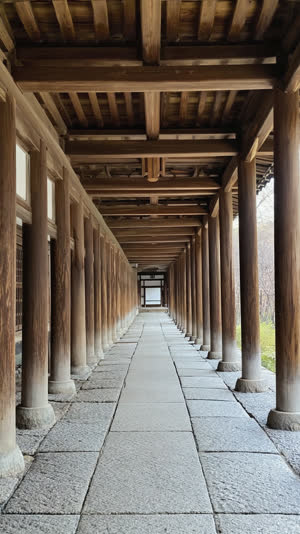
Not ruins. A working temple.
Not ruins. A working temple you can walk into.
Horyuji is still an active temple rather than a preserved site, which is why the buildings have been continuously maintained instead of frozen.
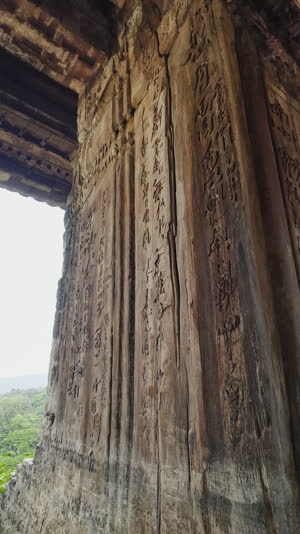
Founded in 607
Founded in 607.
The founding date places the temple in the early period of Buddhism in Japan, before the capital moved to Nara or Kyoto.
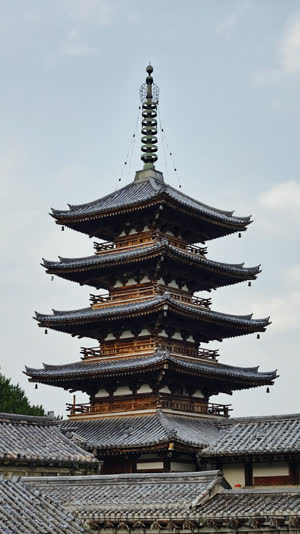
Japan's first World Heritage, 1993
Japan's first World Heritage site, in 1993.
Horyuji was among the first properties in Japan inscribed by UNESCO, recognised for the age and continuity of its wooden architecture.
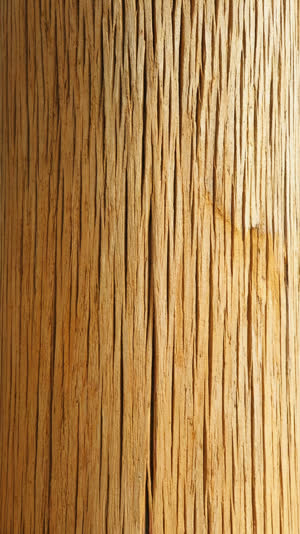
The wood is hinoki, Japanese cypress
The wood is hinoki — Japanese cypress.
Its timber is straight-grained and dense, and it resists rot and insects better than most softwoods available in the region. Choosing it was a structural decision as much as an aesthetic one.
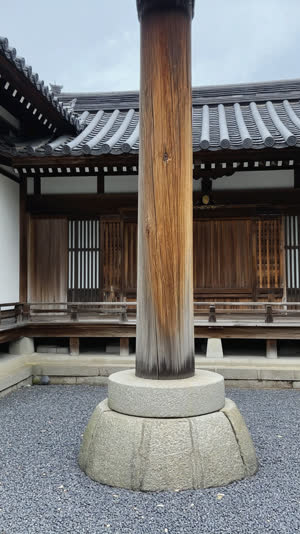
It keeps hardening for centuries
Cypress that keeps hardening for centuries after it is cut.
Hinoki is prized in temple carpentry for exactly this longevity. The choice of material is part of the construction technique, not separate from it.
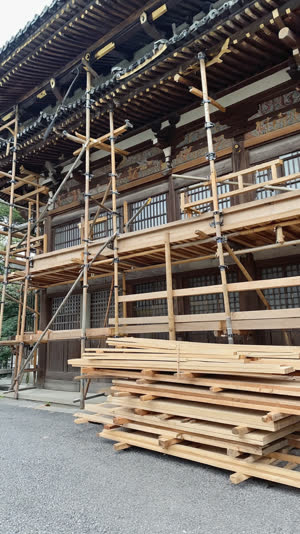
Each generation replaces what fails
Every generation replaces the parts that fail.
Survival here means continuous repair. Components are taken out and remade to fit the original joints, so the building persists as a design rather than as untouched material.
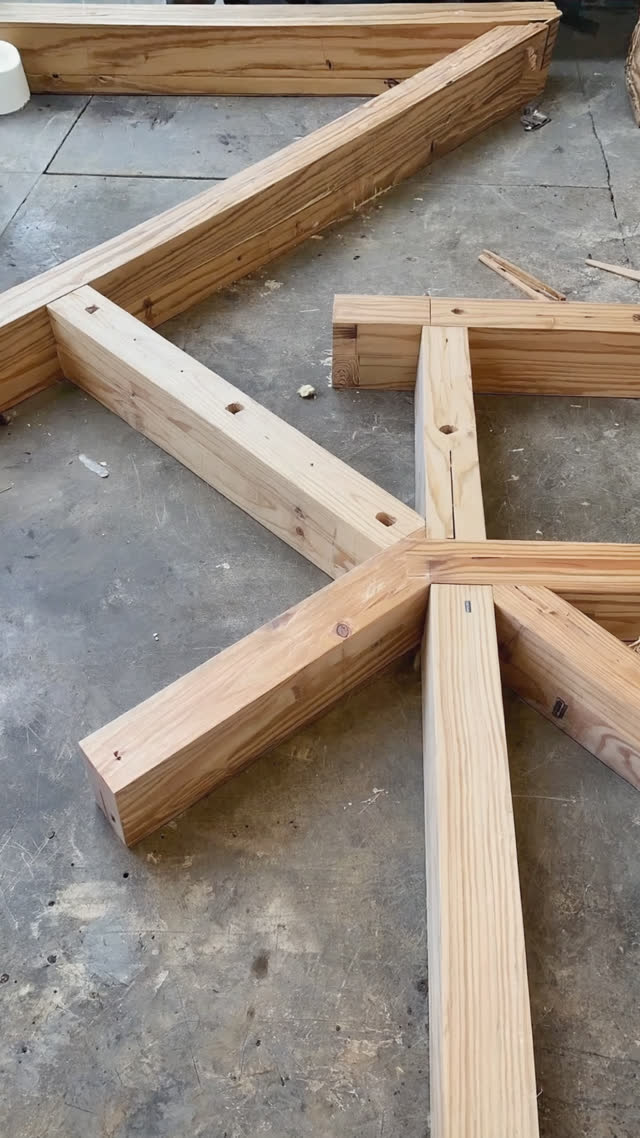
It survives because the joints open
The building survives because the joints can be opened.
This is the series thesis in its clearest form: joined timber can be taken apart and put back. A nailed or glued structure cannot be dismantled without destroying it.
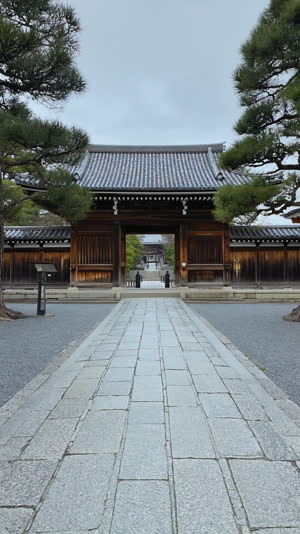
About ¥1,500–2,000, 40 min from Nara
Admission is about 1,500 to 2,000 yen, forty minutes from Nara.
Nara is about forty minutes away by train and bus, which makes this a half-day trip rather than an expedition. Go after watching the rest of the series and the roof brackets stop being ornament.
The thread through Temple Carpentry
Japan does not fasten wood. It joins it — and lets the building move.
Next: the joints themselves — about two hundred of them.
Japanese terms in this story
Sources — primary only
- Nara Prefecture
- UNESCO Intangible Cultural Heritage Lists
- Horyuji Temple
- official tourism
Original Japanese source note
法隆寺公式・奈良県観光公式: 法隆寺(Horyuji Temple・奈良県斑鳩町)は607年創建、西院伽藍(金堂・五重塔等)は現存する世界最古の木造建築群で1300年を超える。1993年に日本初の世界文化遺産(UNESCO World Heritage)登録。拝観料は大人1,500円〜2,000円(公式で要確認・現金のみ)。用材はヒノキ(Japanese cypress)