How do Japanese temples stand without nails?
Held together by shape, not nails
The short answer
Japanese temple carpenters join timber by cutting interlocking shapes into the wood itself, so the joint holds by geometry rather than by fasteners. UNESCO inscribed these skills in December 2020 as a set of seventeen conservation techniques recognised by the Agency for Cultural Affairs.
Wood That Holds Without Nails
Two pieces of wood, cut so precisely that they lock — and a building stands for centuries.
Japanese temple carpenters, the miyadaiku, join timber by carving interlocking shapes into the wood itself. In December 2020 UNESCO inscribed these skills as Intangible Cultural Heritage: a set of seventeen conservation techniques recognised by the Agency for Cultural Affairs.
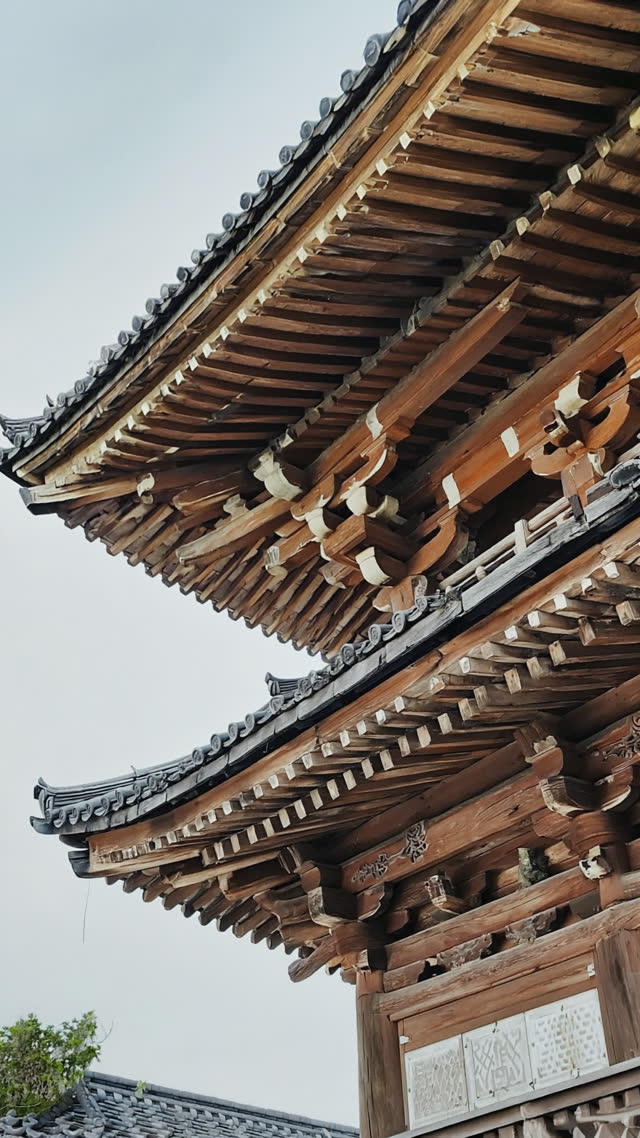
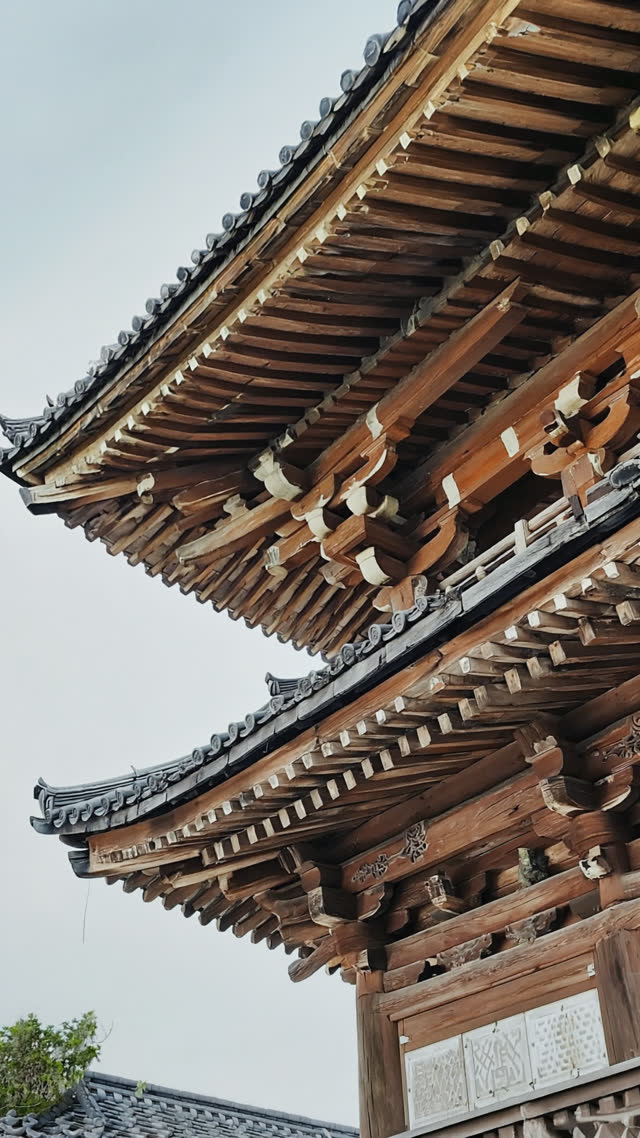
Look for the nails. There are almost none.
Look for the nails. There are almost none.
Japan's traditional wooden architecture is assembled mainly through joints cut into the timber. Fasteners appear in places, but they are not what holds the structure up.
The joint is the fastener
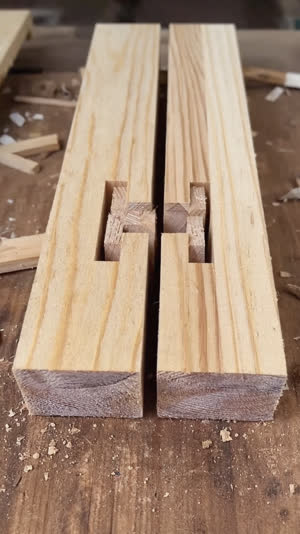
The joint is the fastener.
The shape does the work a nail would do. Each piece is cut so that the two lock against each other, and the load presses the joint tighter rather than pulling it apart.
Cut it wrong, and it fails
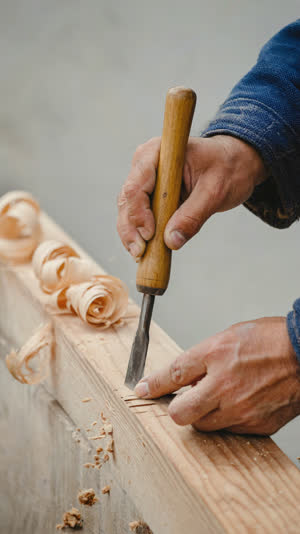
Cut the shape wrong and the building fails.
Because nothing external secures the joint, accuracy is structural. The fit has to be right the first time: a gap cannot be corrected later with a screw.
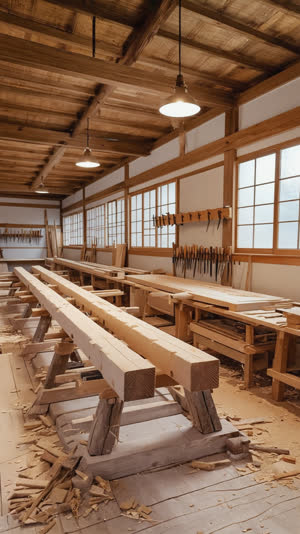
They are called miyadaiku
The carpenters who do this are called miyadaiku.
The word separates them from carpenters who build houses. A miyadaiku trains for years on the structures of shrines and temples, where the timber is larger, the joints are more complex and the work has to be repairable centuries later.
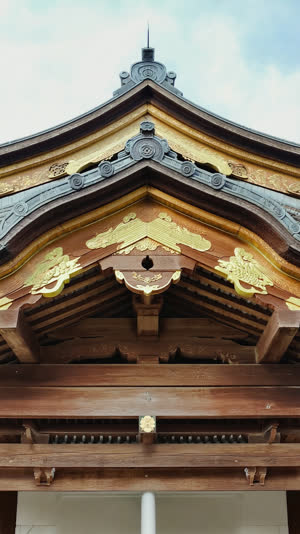
December 2020: UNESCO listed it
In December 2020, UNESCO put their craft on the list.
The inscription covers the skills used to conserve and pass on wooden architecture, rather than any single building. It recognises the knowledge itself as the thing at risk.
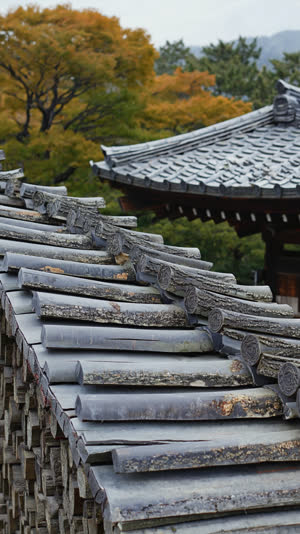
Seventeen techniques, recognised by Japan
Seventeen techniques, recognised by the Agency for Cultural Affairs.
Seventeen separately designated conservation techniques were bundled into the single listing. Joinery sits alongside roofing in cypress bark, plastering and the making of the tools themselves, because a building cannot be kept standing by any one of them alone.
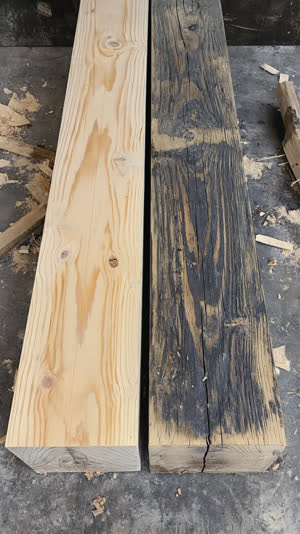
What cannot be repaired cannot survive
Because a building that cannot be repaired cannot survive.
Wooden buildings are maintained by replacing parts. That only works while people still hold the skills to cut a replacement that fits the original joint.
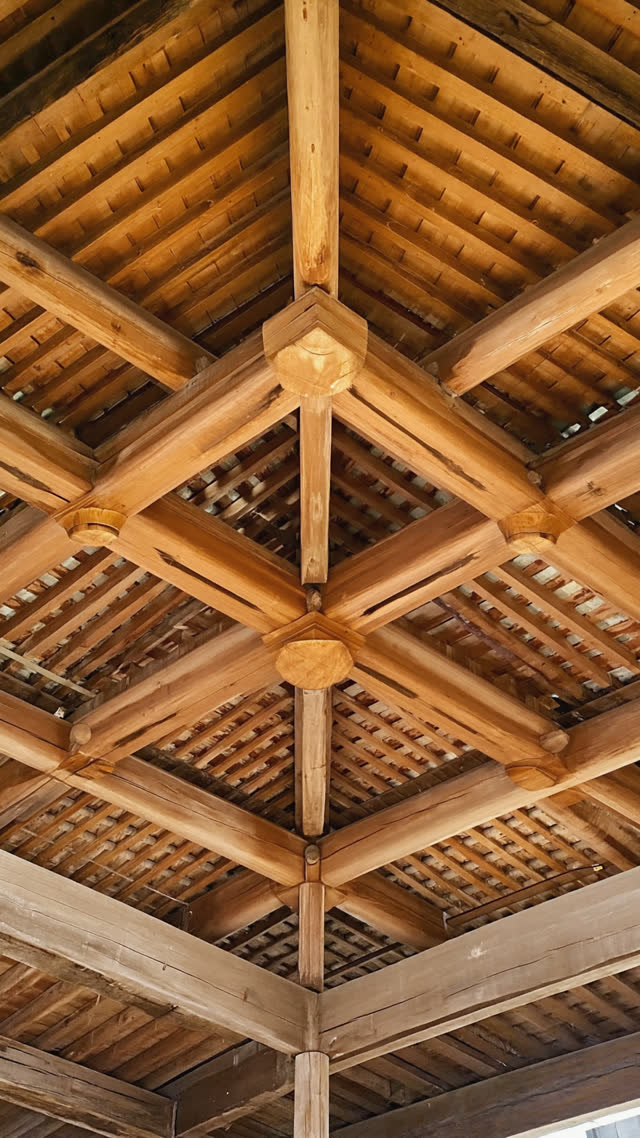
Japan doesn't fasten wood. It joins it.
Japan does not fasten wood. It joins it —
This is the argument the series follows. The alternative to holding timber still with metal is shaping it so the pieces hold each other.
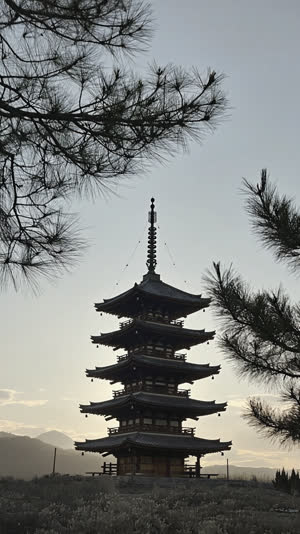
— and lets the building move
— and lets the building move.
A joined structure can shift slightly under load and settle back. The series works outward from that idea, from the oldest surviving example to a tower finished in this century.
The thread through Temple Carpentry
Japan does not fasten wood. It joins it — and lets the building move.
Next: the oldest wooden buildings still standing anywhere.
Japanese terms in this story
Sources — primary only
Original Japanese source note
文化庁報道発表: 「伝統建築工匠の技:木造建造物を受け継ぐための伝統技術」(Traditional skills, techniques and knowledge for the conservation and transmission of wooden architecture in Japan)は2020年12月17日にユネスコ無形文化遺産へ登録決定。国の選定保存技術17件で構成。所管はAgency for Cultural Affairs(文化庁)、登録はUNESCO。※伝統工法でも釘・鎹を補助的に使う例があり「釘ゼロ」と断定しない