The short answer
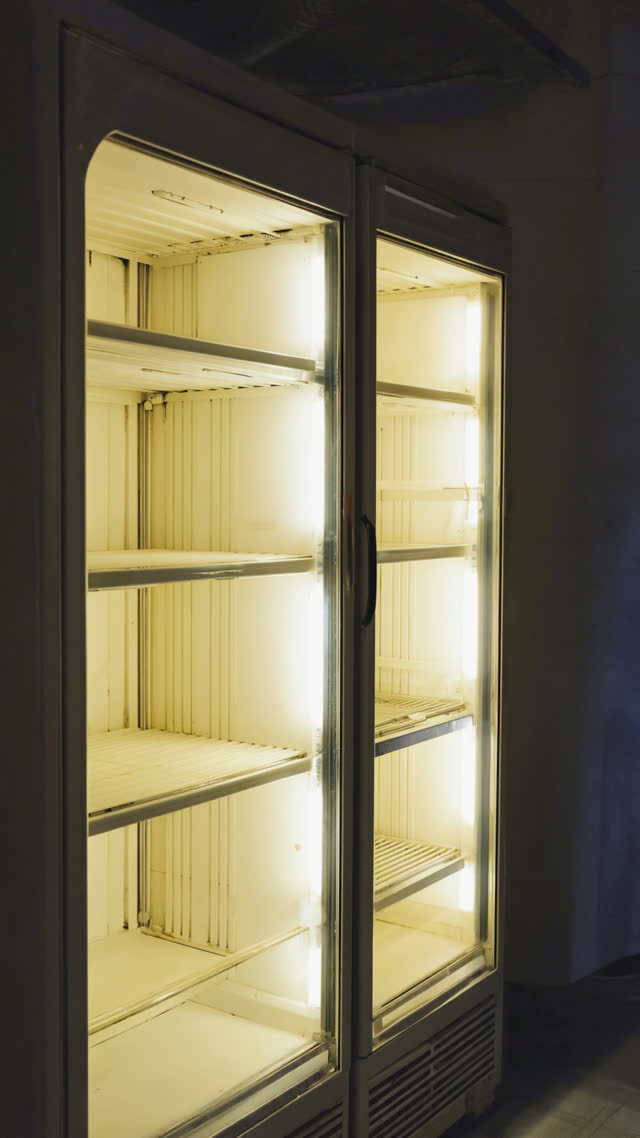
Because the bathhouse had the refrigerator. In the 1950s and 60s most Japanese homes had none, dairy vendors stocked those sento fridges with bottled milk, and a cold drink after a hot soak became irresistible. Home fridges arrived, but the post-bath bottle stayed a beloved ritual.
Why Milk After the Bath?
Why do people in Japan drink a bottle of milk right after the bath? The answer is a refrigerator.
In the 1950s and 60s, most Japanese homes had no fridge — but the local sento did. Dairy vendors stocked those bathhouse refrigerators with bottled milk, and a cold drink after a hot soak became irresistible. Home fridges arrived, but the post-bath bottle stayed a beloved ritual.
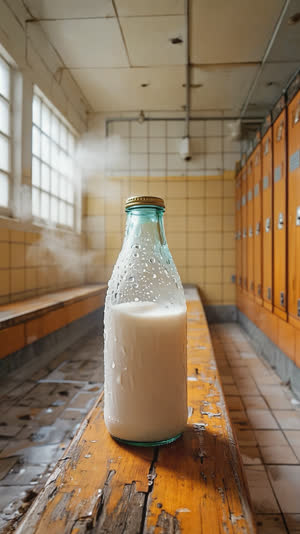
Why milk after baths?
Why do the Japanese drink milk right after a bath?
The question sounds as though it should have a health answer. It has an infrastructure answer instead, which is usually the case when a habit looks arbitrary.
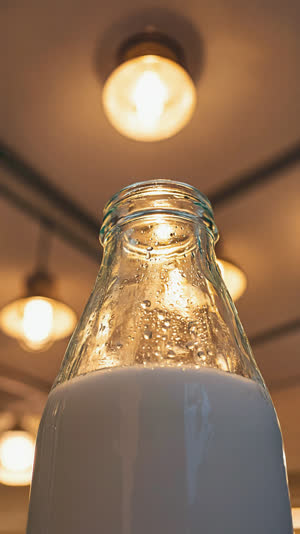
Hand on hip, bottle up
One hand on the hip, bottle up — practically a ritual.
The pose is specific enough to be recognizable, and nothing about it is required. It survives because everybody learned it by watching somebody else do it.
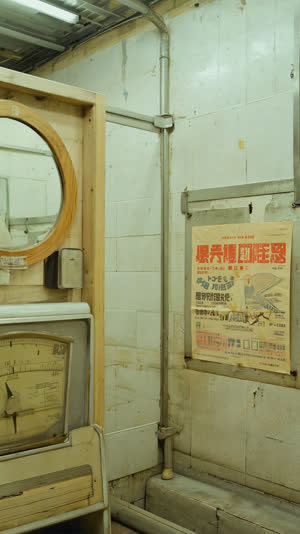
Born in the 1950s-60s
The habit goes back to the nineteen fifties and sixties.
That places the habit in the period when Japanese households were acquiring appliances rather than already owning them. The bathhouse was ahead of the home, briefly, and the habit formed in that gap.
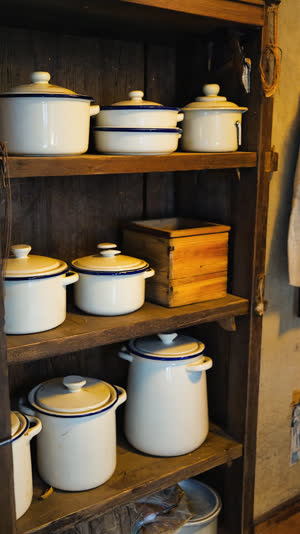
Homes had no fridge
Back then, most homes had no refrigerator at all.
Cold drinks were therefore not something you had at home. Anywhere with a refrigerator held a product nobody could make in their own kitchen, which is a strong position for a bathhouse to be in.
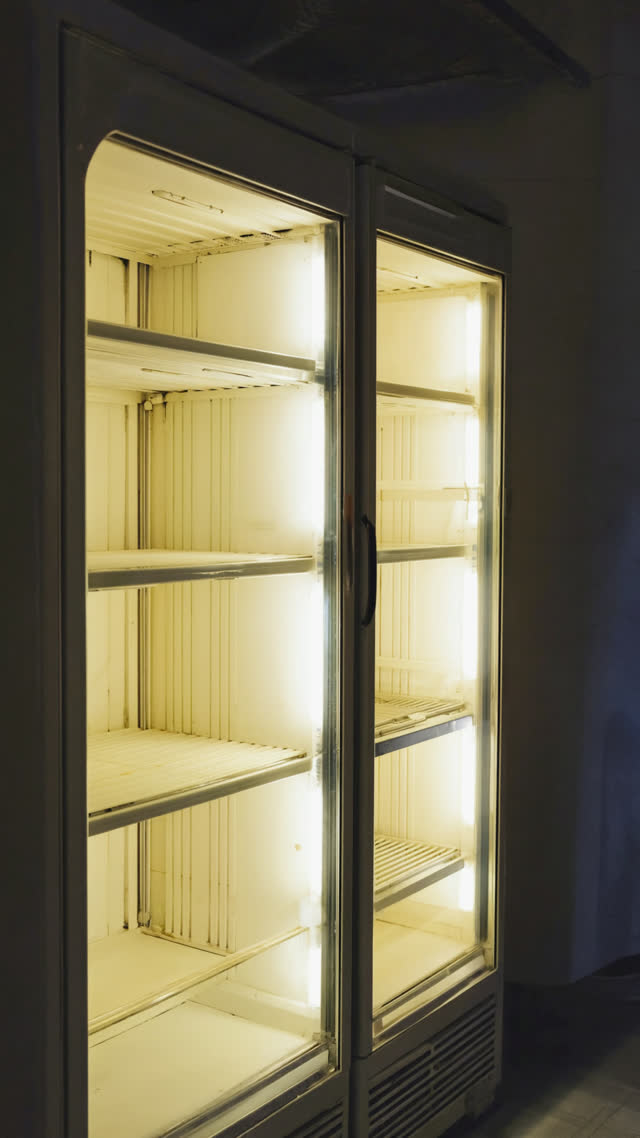
But the sento had one
But the local sento had one — a rare, humming luxury.
A bathhouse was a business with a boiler and a shopfront, so a refrigerator fitted the premises in a way it did not fit a rented room.
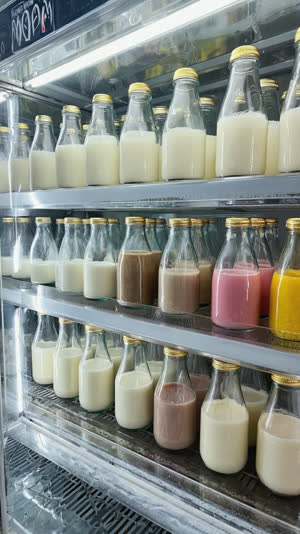
Dairies stocked the fridge
Dairy vendors stocked those fridges with cold bottled milk.
This was a distribution arrangement rather than a bathhouse initiative. Dairies wanted cold storage close to customers and the sento had it, so the product came to the room rather than the room seeking the product.
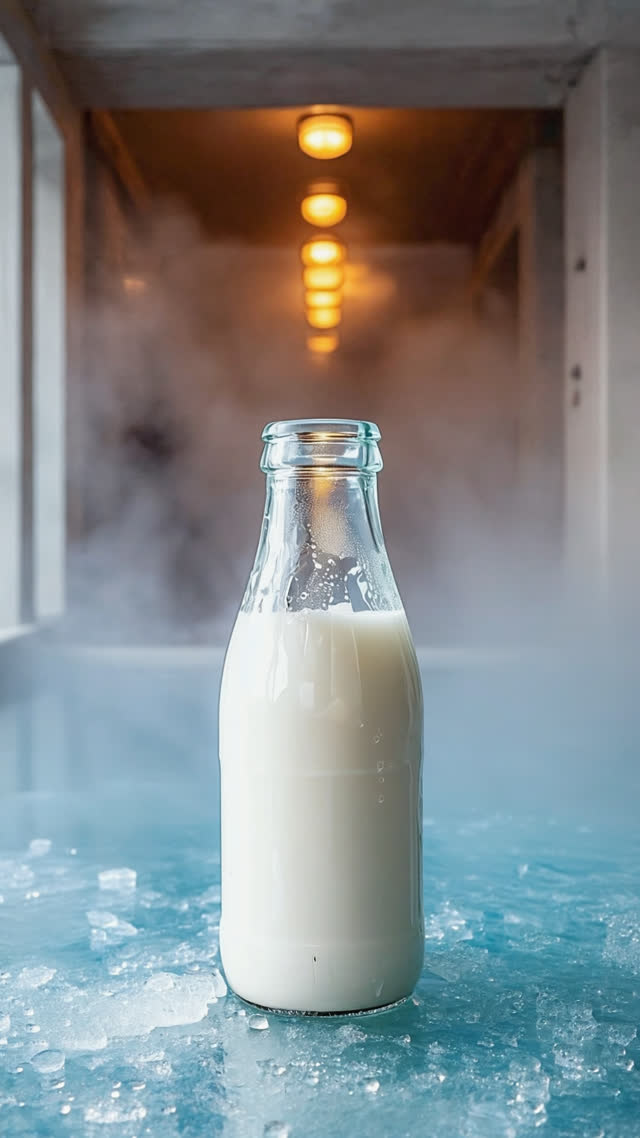
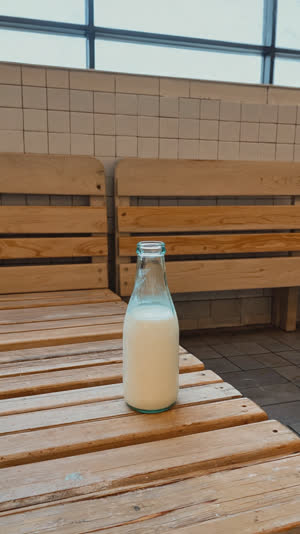
The post-bath bottle
An ice-cold drink after a hot soak — simply irresistible.
The physical logic needs no selling: you are hot, and something cold is within reach at the exact moment you stop being in the water.
The habit stayed
The fridge came home — but the habit stayed at the bathhouse.
Here is the interesting part. The reason for the habit disappeared and the habit did not, which is a pattern worth noticing across this whole series.
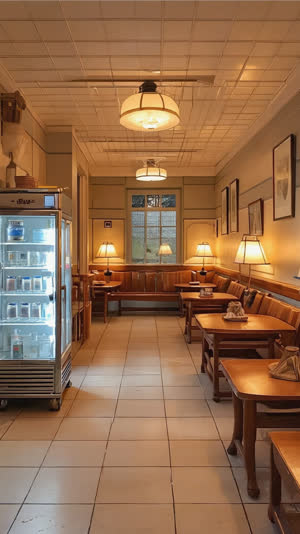
A sento classic
Today, that little bottle is part of the sento experience.
It is bought at the fridge, drunk before leaving, and the bottle stays behind. That sequence is now the reason to have one, rather than any advantage over a can.
The thread through Sento
Japan built its neighborhoods in the bath.
But sento are vanishing. Who keeps them alive? Final episode.
Japanese terms in this story
Sources — primary only
- Yamamura Dairy
- Edogawa City
Original Japanese source note
冷蔵庫普及前の昭和30年代・冷蔵庫を備えた銭湯に乳業者が牛乳を卸し「風呂上がりの一杯」が定番化(山村乳業・江戸川区「湯らり江戸川」)