The short answer
The bandai is the raised attendant's booth by the entrance, where fees are collected and the changing room is kept safe. According to the Tokyo Sento Association bathhouses come in two formats — the traditional bandai style and the modern front-desk style — and most Tokyo sento have now renovated into the latter.
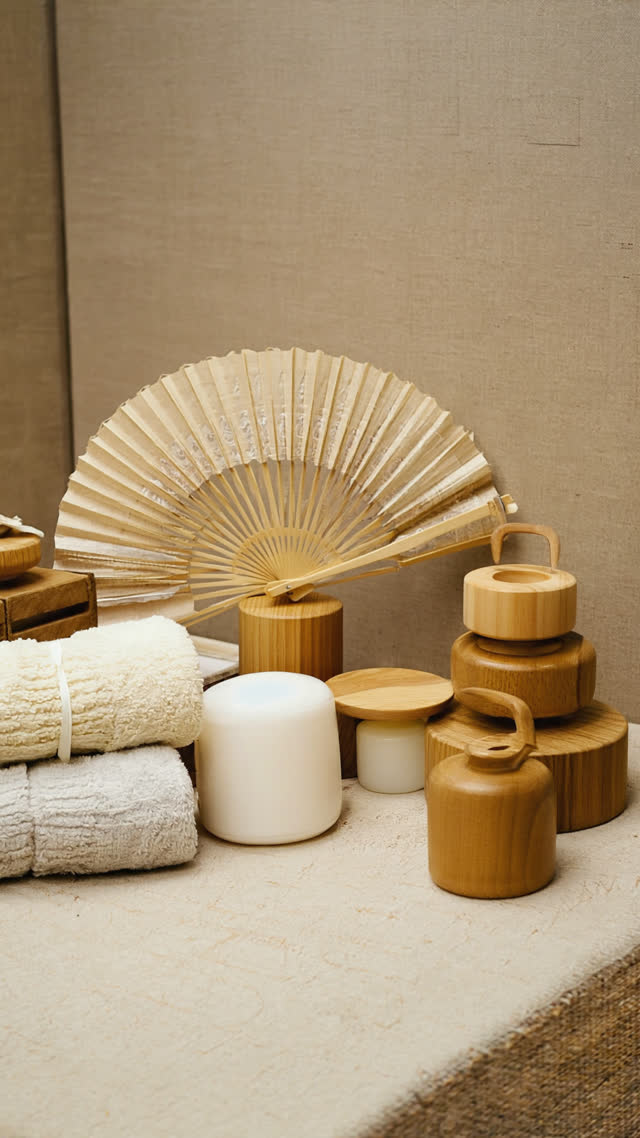
The Seat That Watches It All
In every classic Japanese bathhouse there is one seat that quietly runs the whole place.
This short introduces the bandai, the raised attendant's booth by the entrance where fees are collected and the changing room is kept safe. According to the Tokyo Sento Association, bathhouses come in two formats — the traditional bandai style and the modern front-desk style — and most Tokyo sento have now renovated into the latter.
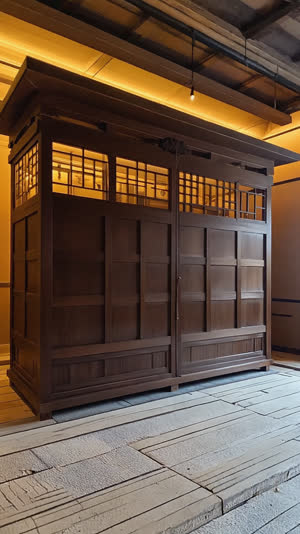
The seat that sees it all
In the bathhouse, one seat quietly sees absolutely everything.
The sightline is the design. Everything about the position — its height, its placement at the entrance, its openness to both sides — exists so that one person can watch two rooms.
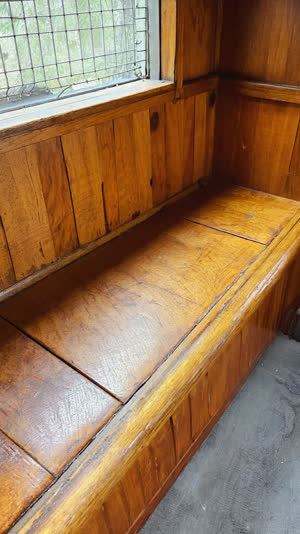
This is the bandai
It's called the bandai — a raised post by the entrance.
Bandai means the watch platform, and it is exactly that: a box raised above head height, reached by its own steps, positioned so the changing room is visible from it.
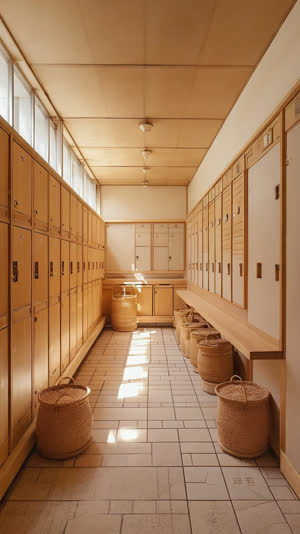
Overlooking the changing room
From up there, the keeper overlooks the whole changing room.
This is why the bandai became controversial rather than merely old-fashioned. A single vantage point over an undressing room is efficient for security and uncomfortable by modern expectations.
Fees and watchful care
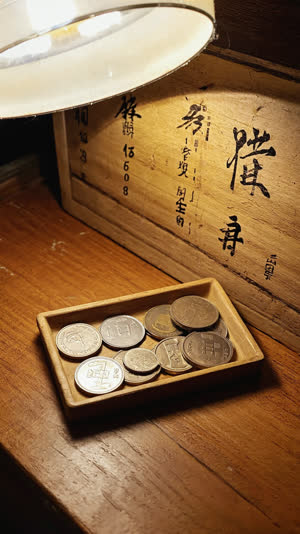
They take your fee and watch over your belongings.
Two jobs in one seat, and the second is what the position was really for. Where belongings sit in an open room, a person watching is the security system.
A fixture of trust
One seat handles safety, payment, and neighborhood small talk.
The third job appears in no description of the format. Whoever sat there knew every regular by name, which is how the bathhouse functioned as a social institution at all.
Bandai style vs front desk
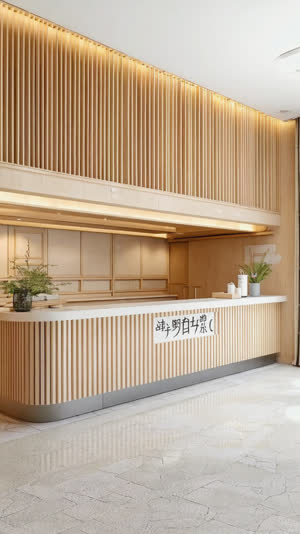
The Tokyo Sento Association lists two styles: bandai and front desk.
The association treats these as formats rather than as old and new, which is a useful distinction. A bathhouse is one or the other, and it is a structural fact about the building.
Tokyo goes front-desk
In Tokyo, most bathhouses have renovated into front-desk style.
A front desk faces the entrance rather than the changing room, so the fee is collected without the sightline. The conversion is a renovation, not a policy — which is why it happened building by building.
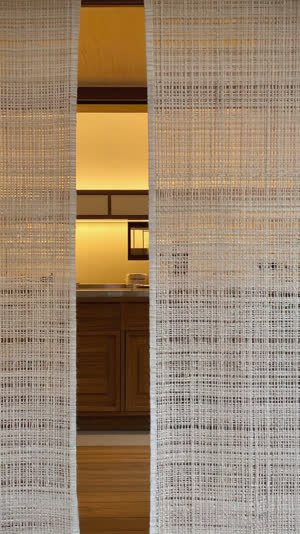
The welcome remains
Privacy changed, but the watchful welcome stayed the same.
The greeting survived the change of furniture. What moved was the angle: a keeper who once watched over the room now meets you before you enter it.
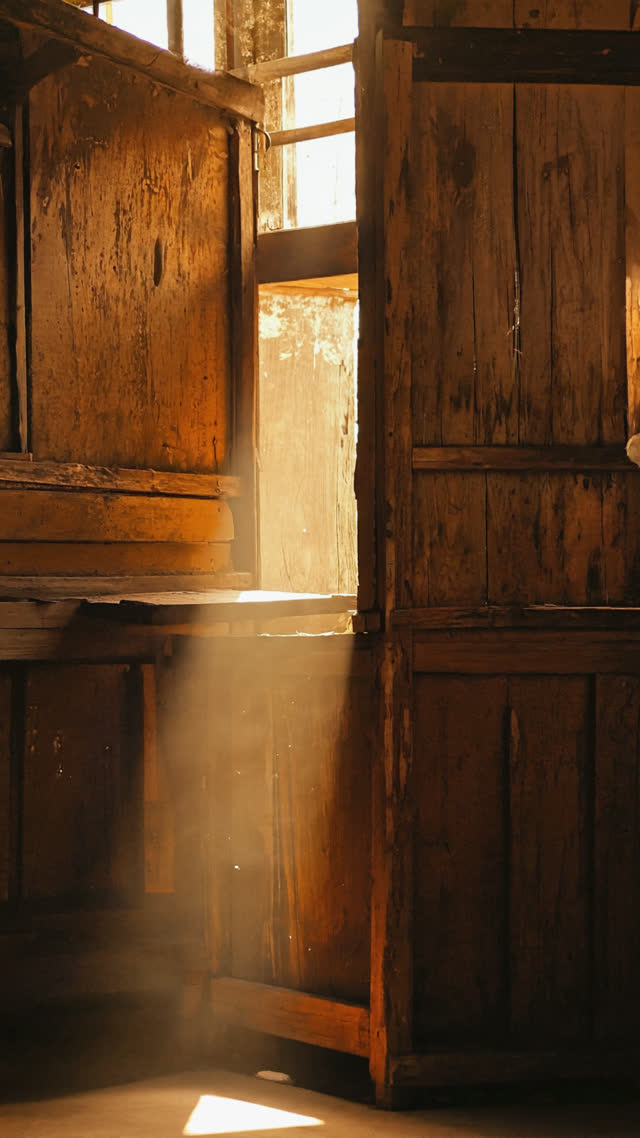
A shape of trust
The old wooden seat remains a symbol of quiet trust.
Where a bandai survives it is now the reason people photograph the entrance. An arrangement that was purely practical has become the marker of an unrenovated bathhouse.
The thread through Sento
Japan built its neighborhoods in the bath.
And that yellow bucket everyone uses? It was an advertisement.
Japanese terms in this story
Sources — primary only
Original Japanese source note
東京都浴場組合公式が脱衣所を見渡し料金を受け取る番台式とフロント式の2形式を解説・都内はフロント式への改装が主流(東京都浴場組合)