The short answer
Sometimes, and increasingly. In a FY2015 Japan Tourism Agency survey about 56% of bathing facilities refused tattooed guests while about 13% allowed entry with conditions such as cover stickers. In 2016 the Agency published real examples — stickers, private baths — to encourage acceptance, and tattoo-friendly onsen keep growing.
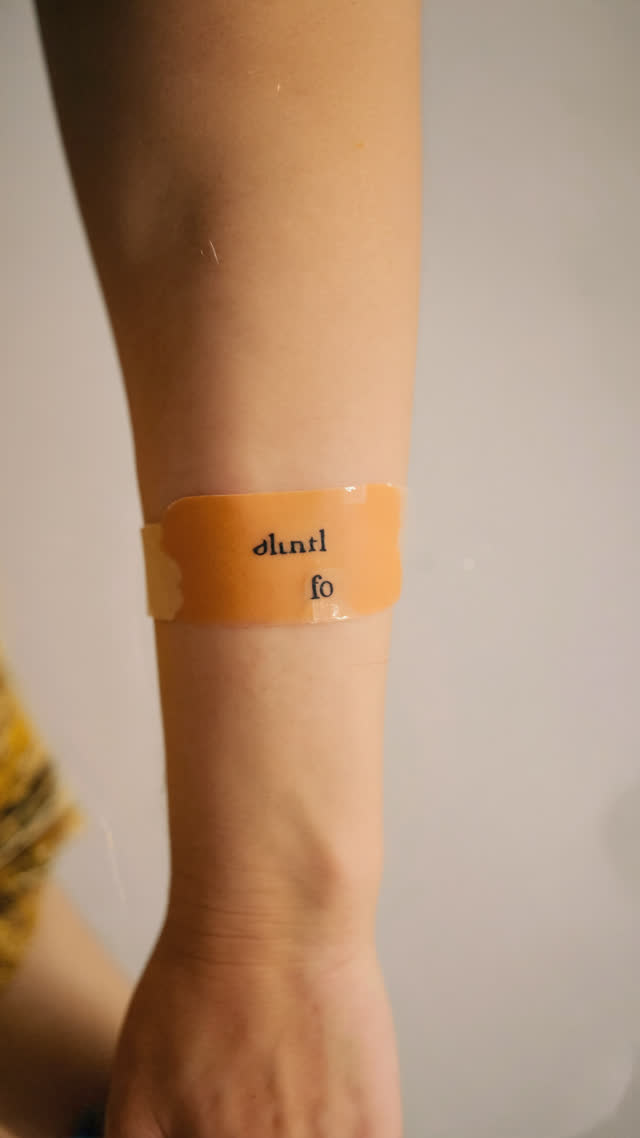
Tattoos and Onsen: A Way In
A small tattoo can still close an onsen door — but more doors are opening.
In a FY2015 Japan Tourism Agency survey, about 56% of bathing facilities refused tattooed guests, while about 13% allowed entry with conditions such as cover stickers. In 2016 the Agency published real examples — stickers, private baths — to encourage acceptance, and tattoo-friendly onsen keep growing.
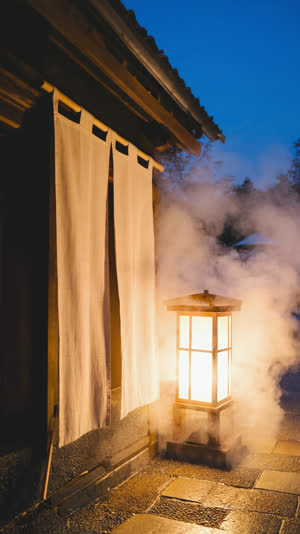
One small tattoo
One small tattoo. Everything paused.
Size is often irrelevant to the policy. A facility with a blanket rule applies it to a small ankle design as readily as to full coverage, which is what makes the situation hard to predict.
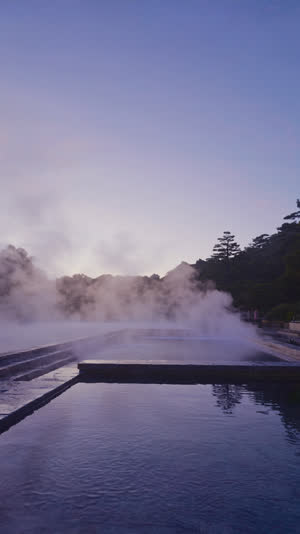
Turned away at the bath
At many onsen, tattooed guests are asked not to bathe.
The refusal usually happens at the counter rather than at the water, and it is stated as house policy. It is worth knowing in advance, because the conversation is awkward for both sides.
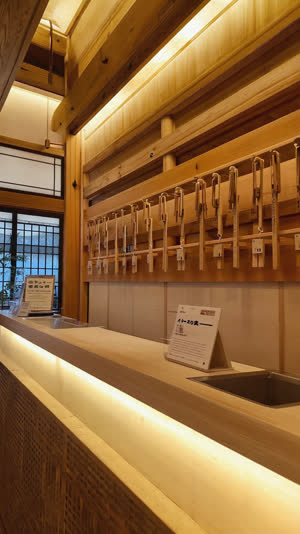
56% refused (2015 survey)
A 2015 Tourism Agency survey: about 56% of facilities refused.
A majority, but not an overwhelming one — and the figure comes from the government rather than from anecdote. That is the number to hold onto instead of assuming the answer is always no.
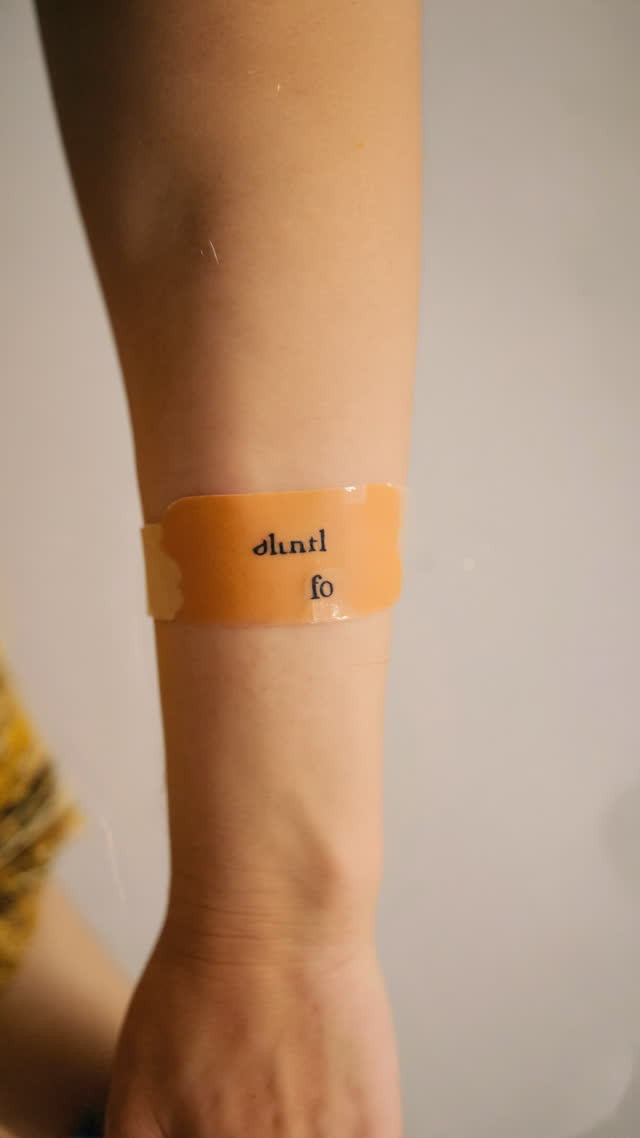
13% allowed with conditions
About 13% said yes with conditions — like a cover sticker.
The conditional group is the practically useful one. It means a workable middle option already existed at the time of the survey, and that a sticker is a recognized arrangement rather than an improvised trick.
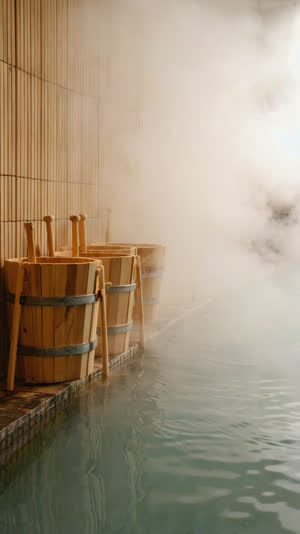
It's about the shared bath
The caution is about the shared bath — not about you.
The policies are written about the shared bath rather than about the individual, which is why they get applied uniformly — and why they can also be changed uniformly.
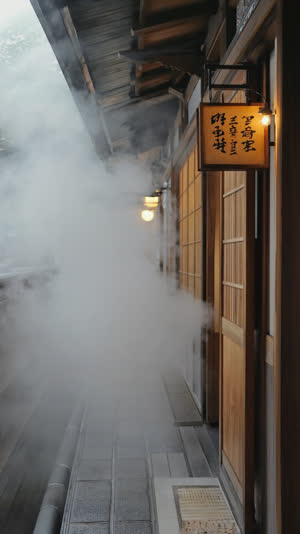
Official examples published
In 2016, the Agency itself published ways to welcome guests.
A government body publishing workarounds is a signal to the industry, not to visitors. It tells facilities that accommodating tattooed guests is a recognized option rather than a lapse in standards.
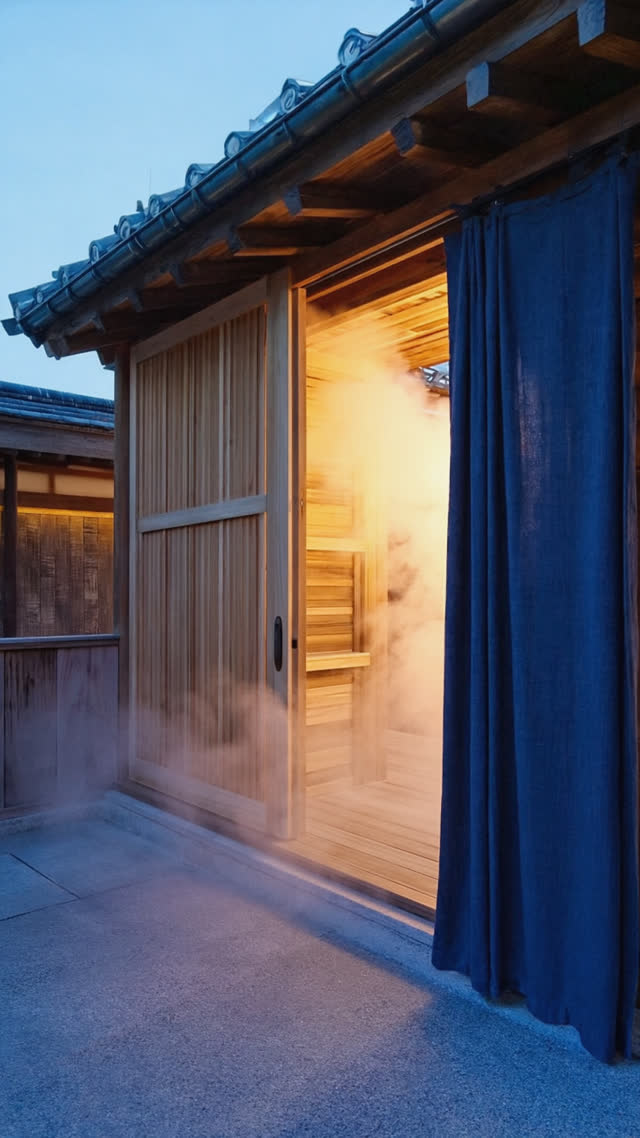
The wall has doors
Cover stickers, private baths, tattoo-friendly onsen — the wall has doors.
All three appear in the Agency's own examples. A private bath in particular removes the question entirely, since the shared water the policy is about no longer exists.

Strangers at ease in shared water
An onsen isn't a rulebook — just strangers at peace in shared water.
The series thesis, and the reason the direction of change matters. If the arrangement is consideration between strangers rather than a code, then it can be renegotiated as the strangers change.
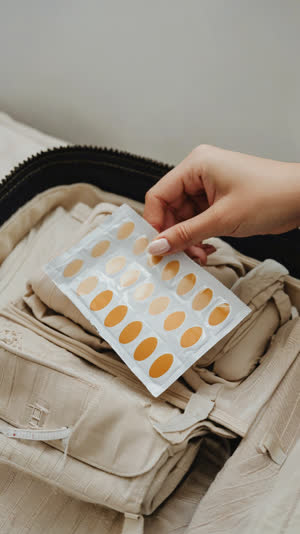
Check ahead or pack a sticker
Day one: check the policy ahead, or pack a cover sticker.
Checking ahead takes a minute and avoids the counter conversation entirely. A sticker in the bag covers the case where you find a bath rather than plan for one.
The thread through Manners
Japan's rules are not enforced. They are agreed.
Next: why your cash lands on a little tray, never hands.
Japanese terms in this story
Sources — primary only
Original Japanese source note
観光庁の2015年度調査で入浴拒否が約56%・シール等の条件付き許可が約13%・2016年にシールで覆う/貸切風呂案内などの対応事例を公表し受け入れを促進(観光庁)