Why are there no trash cans in Japan, and no litter either?
No trash cans, yet spotless streets
The short answer
Most street bins were removed after March 1995, in the wake of an attack on Tokyo's subway, and they never returned; in their place grew the habit of carrying trash home. Kyoto City and the Japan Tourism Agency now officially ask visitors to do the same.
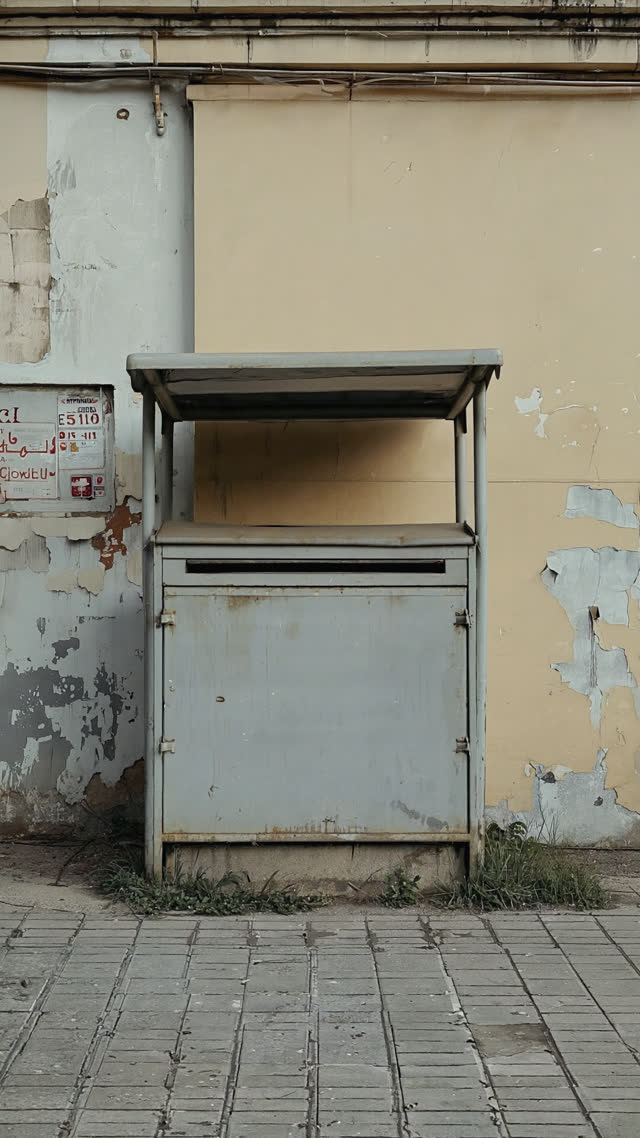
No Trash Cans, Clean Streets
Japan's streets have almost no public trash cans — and almost no litter. How?
Most street bins were removed after March 1995, in the wake of an attack on Tokyo's subway, and they never returned. In their place grew a habit: people simply carry their trash home. Kyoto City and the Japan Tourism Agency now officially ask visitors to do the same — and the streets stay spotless.
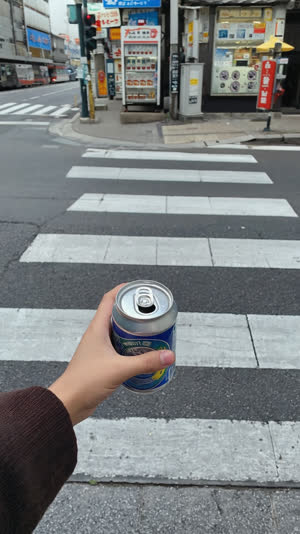
Where's the bin?
Try throwing something away here.
The absence only becomes obvious when you are holding something. Most visitors discover it with a coffee cup in hand, some distance from their hotel.
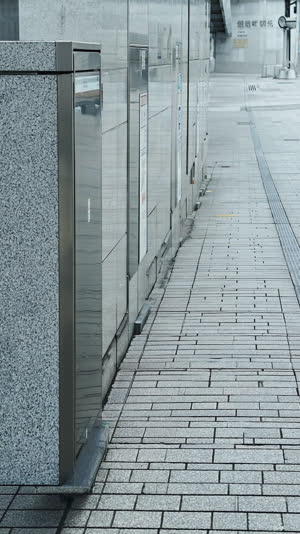
No public bins
You can walk ten Tokyo blocks without finding one public bin.
Convenience stores and station platforms have them; the street generally does not. That distinction matters, because it means the infrastructure exists but not where you are walking.

Yet spotless streets
And yet — no litter. The streets look freshly swept.
This is the pairing that makes no sense on first encounter. Removing bins should produce litter, and in most cities it would, which is why the explanation has to be behavioral rather than logistical.
Removed in 1995
Most bins vanished after March 1995, following a Tokyo subway attack.
The removal was a security measure taken quickly and across the network. What is unusual is not the decision but that a temporary condition became permanent.
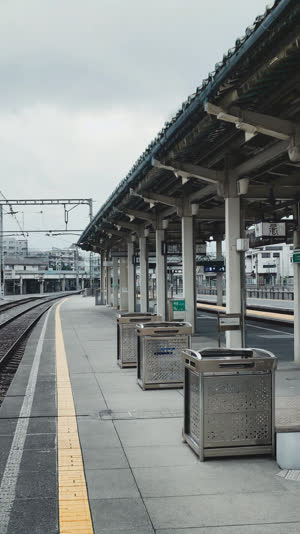
They never returned
The bins never came back. Something quieter took their place.
Long enough without street bins, and a generation grows up with no memory of them. The habit that filled the gap is now the reason the bins are not missed.
Carry it home
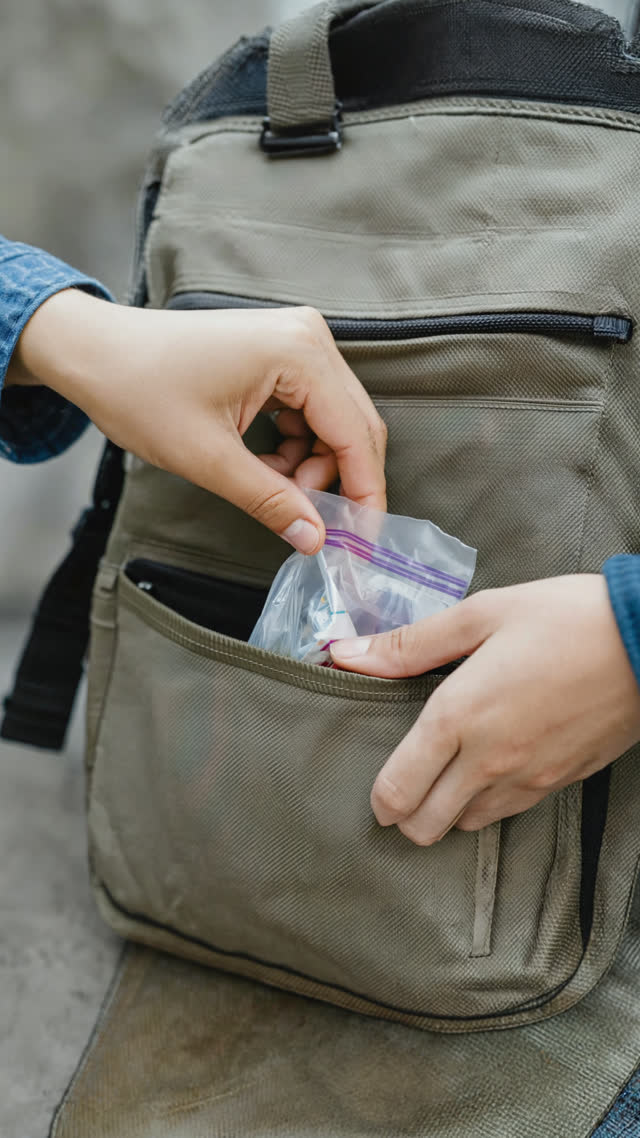
The habit: carry it home. Kyoto City officially asks visitors to.
Asking visitors to carry trash is a request most cities would not make, because it assumes people will comply without supervision. Kyoto makes it because residents already do.
Shared ground, kept clean
Clean streets here aren't a service — they're strangers minding shared ground.
The series thesis in its most physical form. Nobody cleans up after you, and nobody needs to, because the mess is prevented at the point where it would have been made.
Official visitor guidance
The Japan Tourism Agency teaches the same habit in official videos.
The same principle appears in the same official material as the other customs here, which is worth noting: this is current guidance a visitor is expected to meet, not folklore.
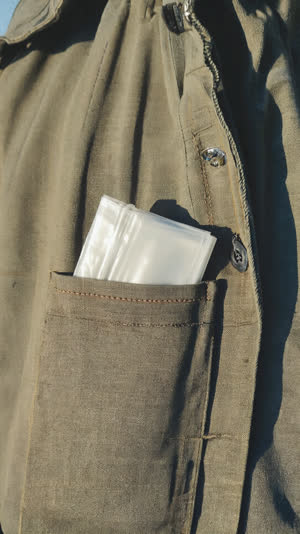
Carry a small bag
Day one: pocket a small bag for wrappers. Total freedom.
A folded plastic bag solves the entire problem for a day of walking. It also removes the low-level anxiety of holding something you cannot put down, which is most of what visitors actually feel.
The thread through Manners
Japan's rules are not enforced. They are agreed.
Next: the single step where every shoe in Japan stops.
Sources — primary only
Original Japanese source note
京都市等が公式にごみ持ち帰りを啓発・観光庁も啓発動画で案内・街頭ゴミ箱の撤去は1995年3月の地下鉄サリン事件が契機とされる(京都市・観光庁・複数報道)