The short answer
Not enforcement, but agreement. Japan's official tourism guides describe good manners with one idea — consideration for others — and the Japan Tourism Agency has released fifteen multilingual manner videos for visitors. Etiquette here works less as a rulebook than as a quiet agreement between strangers sharing the same crowded space.
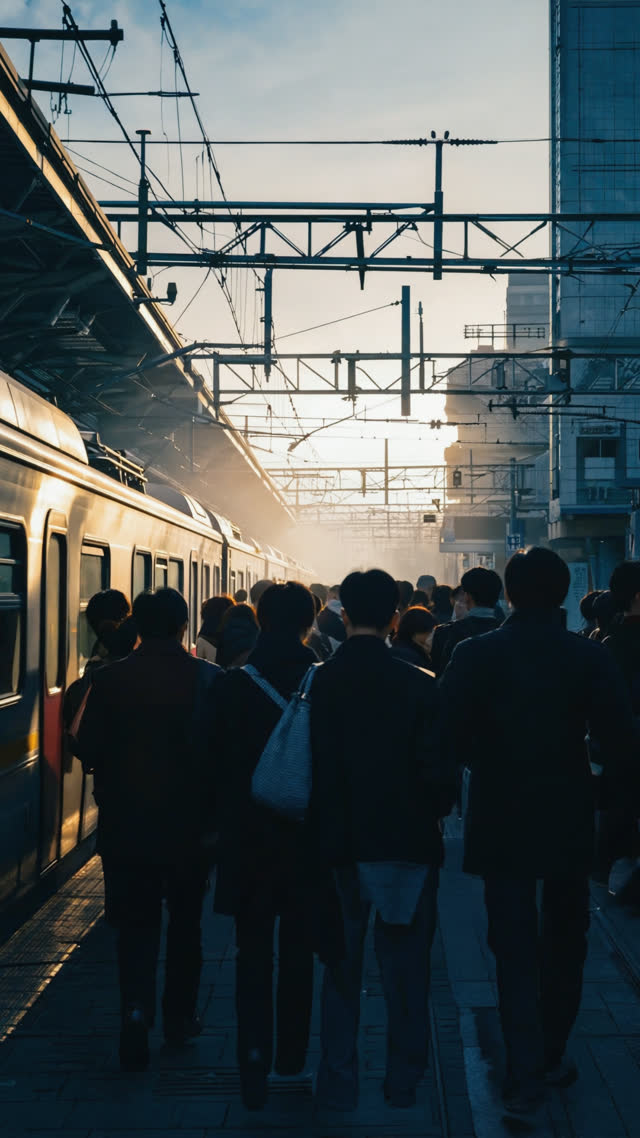
Why Japan Is Quiet and Clean
Nobody in Japan is following orders — so why is everything so quiet, clean, and orderly?
Japan's official tourism guides describe good manners with one idea: consideration for others. The Japan Tourism Agency even released fifteen multilingual manner videos for visitors. Etiquette here is less a rulebook than a quiet agreement between strangers sharing the same crowded space.

Nobody was ordered
Nobody here is following orders.
No guard is watching the platform and no fine applies to talking. Whatever produces the behavior is not enforcement, which is the first thing to establish before any of the specific manners make sense.
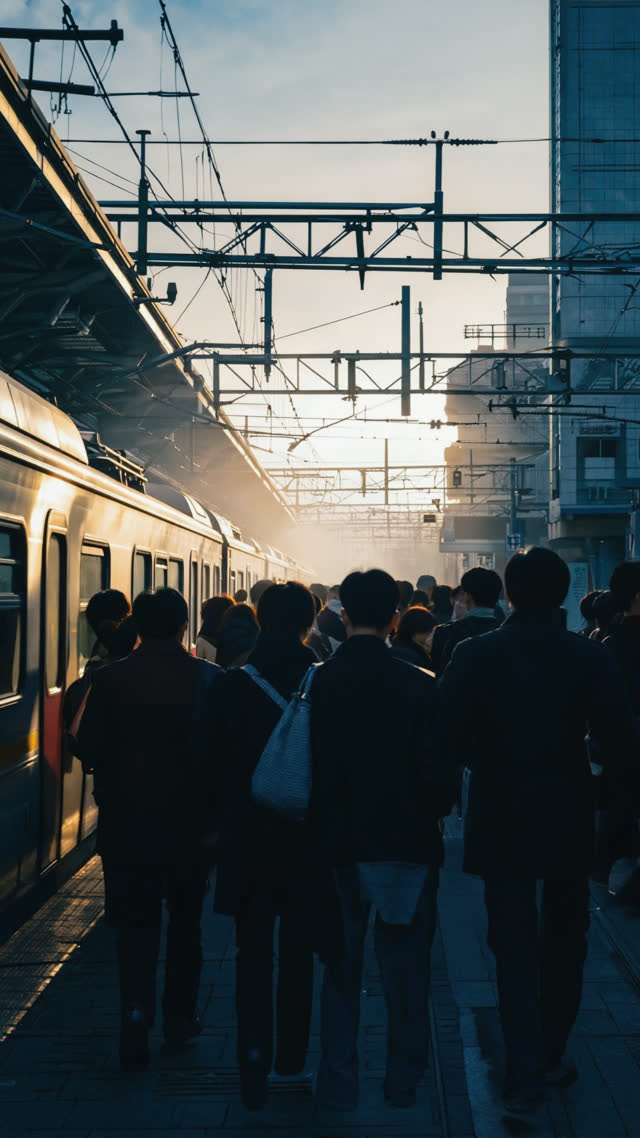
Packed, yet silent
Rush hour in Tokyo: a packed platform, almost total silence.
Crowding usually makes noise, not quiet. That inversion is what visitors notice first, and it is what the rest of the series exists to explain, one custom at a time.

Order is everyday life
Streets without litter. Lines that form themselves. Phones on silent.
These are three separate customs with three separate histories, and the series takes them apart one by one. What they share is that none of them is policed.
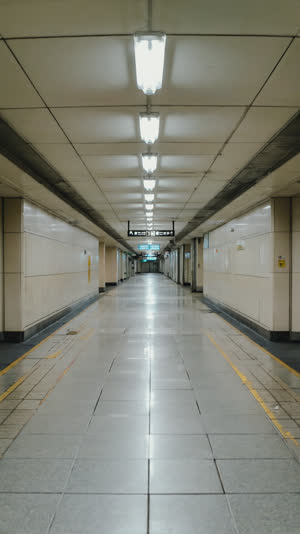
Who enforces this?
Visitors keep asking the same question: who makes everyone behave?
The question assumes an authority, because that is how public order usually works. The answer turns out to be that the mechanism here is horizontal rather than vertical.
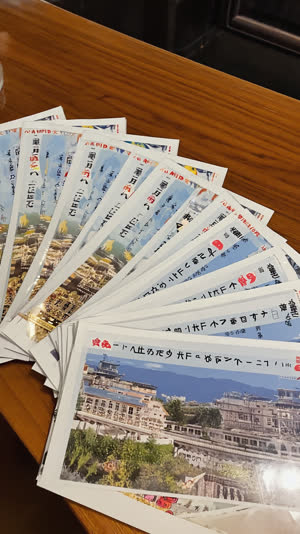
One word: consideration
Japan's tourism office JNTO gives one answer: consideration for others.
Official guidance for visitors could have been a list of prohibitions. Instead it names a single principle, which means the rest can be derived rather than memorized.

Manners are shared space
Manners here aren't rules at all — they're how strangers share space.
This is the thesis of the series, and every part after it restates the same idea in the language of one situation — a platform, an escalator, a bathhouse door, a tray on a counter.
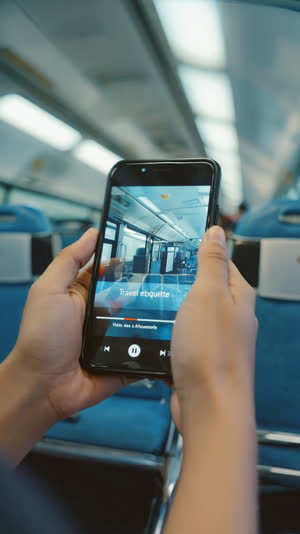
Fifteen official videos
The Japan Tourism Agency even made fifteen multilingual manner videos.
The number is worth pausing on: a government body decided this needed explaining in several languages. Manners that were obvious to residents were evidently not obvious to arrivals.
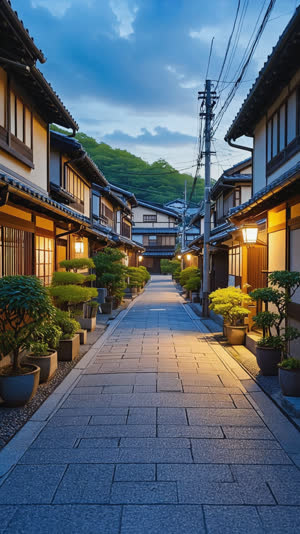
Quiet is a gift
Seen this way, the quiet stops feeling strict — it feels generous.
The reframing is the practical payoff. If the quiet is enforcement you are being restrained by it; if it is consideration you are being included in it, and that changes how it feels to stand there.
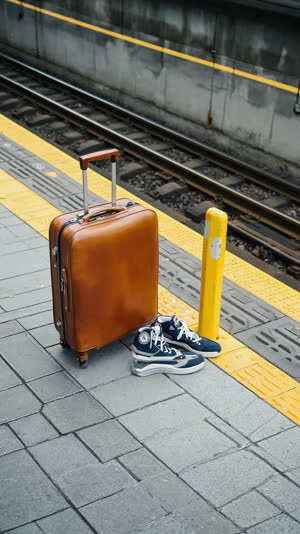
Join the queue day one
On day one, join a station queue — you're already taking part.
There is nothing to learn first. Standing in the line makes you part of the arrangement immediately, which is a faster way to understand it than reading about it.
The thread through Manners
Japan's rules are not enforced. They are agreed.
But leave a tip here, and watch what happens next.
Sources — primary only
Original Japanese source note
JNTO公式ガイドが「他人の迷惑にならない配慮」をマナーの基本と解説・観光庁も訪日客向けマナー啓発動画(10本+短編5本・多言語)を公開(JNTO・観光庁)