The short answer
The Adachi Museum of Art in Shimane has taken first place 23 years in a row in an American journal's annual ranking of Japanese gardens, which began in 2003. Seven full-time gardeners tend it 365 days a year, and visitors view it through picture windows the museum calls living framed paintings.
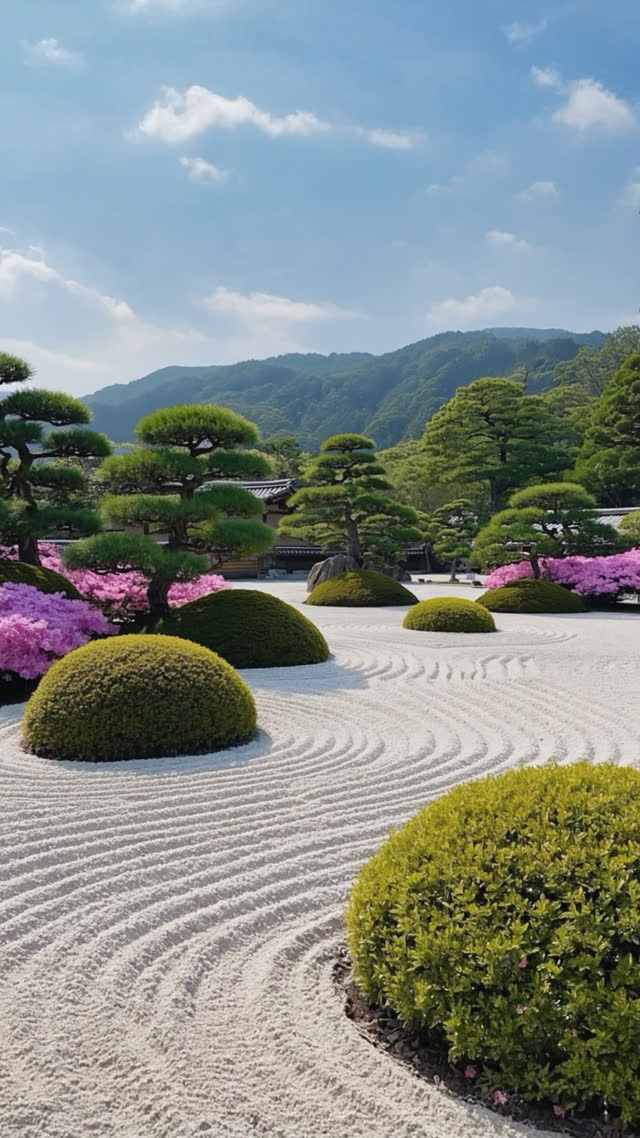
Japan's Best Garden, 23 Years
Since 2003, an American journal has ranked Japan's gardens every year. The Adachi Museum of Art in Shimane has taken first place 23 years in a row.
Seven full-time gardeners tend it 365 days a year, and staff sweep the grounds every morning before opening. Visitors view the garden through picture windows — the museum calls them "living framed paintings."
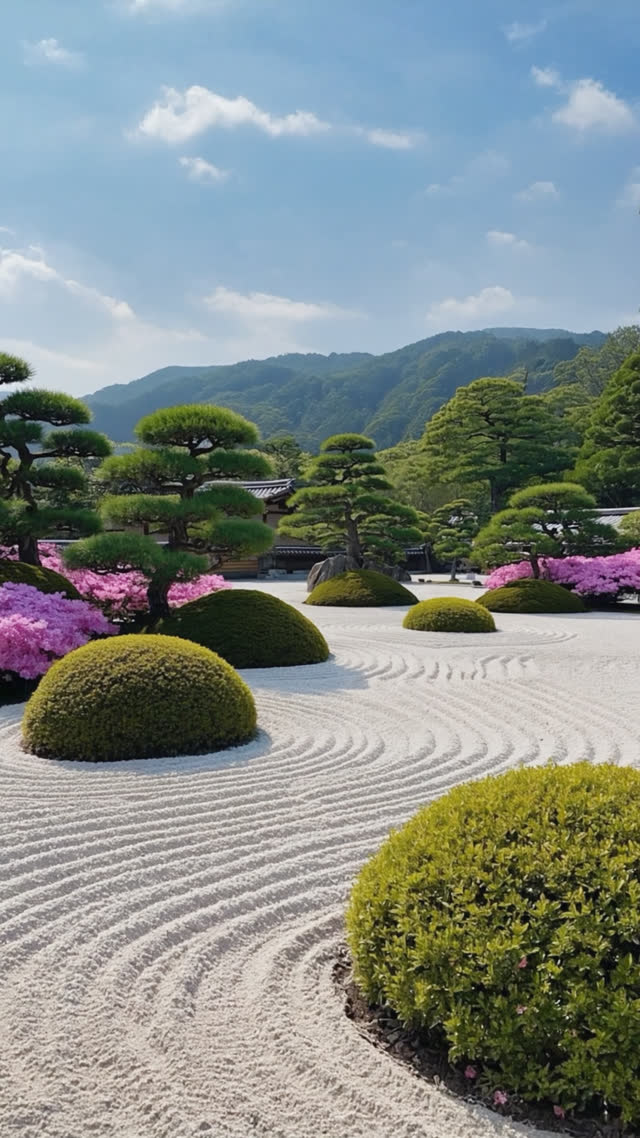
Ranked first, 23 years in a row
Ranked first — 23 years in a row.
That many consecutive years is not a good run; it is the absence of a contest. The ranking has existed for that long and the answer has not changed once.
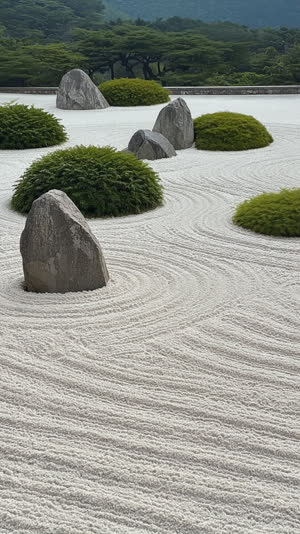
The Adachi Museum, Shimane
The Adachi Museum garden, in Shimane.
Shimane is on the Japan Sea coast, some distance from any major city. A garden that wins every year sits in a place most visitors have to make a deliberate trip to reach.
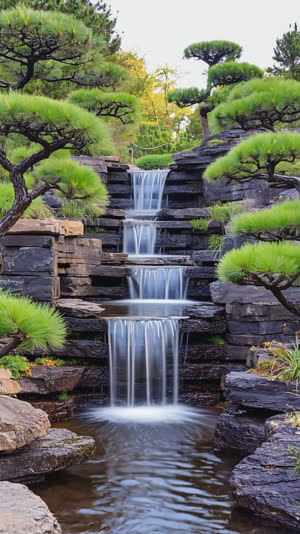
Best in Japan since 2003
An American journal has ranked it best since 2003.
The ranking is foreign, which is worth noticing: the judgment being cited comes from outside Japan rather than from a domestic body.
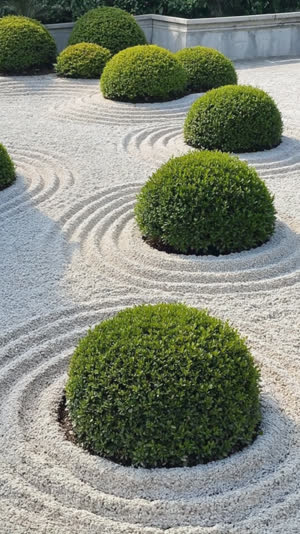
7 gardeners, 365 days
Seven full-time gardeners. Three hundred sixty-five days.
Seven people on staff for one garden is a workshop, not a maintenance crew. Every day of the year means there is no dormant season, which is a claim about the standard rather than about the plants.

Swept every morning before opening
Every morning, staff sweep before the doors open.
Sweeping before opening means the garden visitors see has been reset overnight. What is on display is not the garden but the garden at its best moment, produced daily.
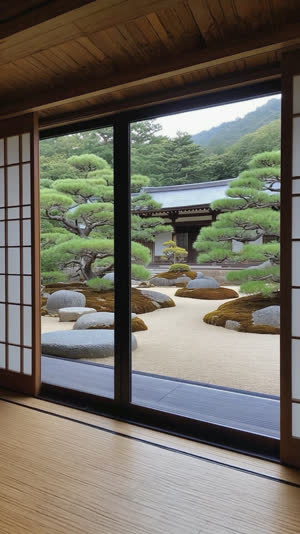
Viewed through windows: living paintings
Visitors view it through windows — living framed paintings.
The museum's own term for it. The windows are placed so that each one composes a view, which means you cannot enter this garden at all — the viewing position is fixed by architecture.
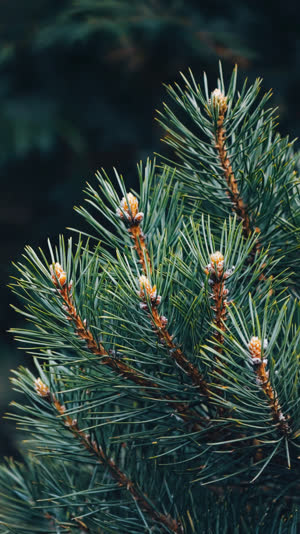
Not one leaf out of place
Not one leaf out of place. That is the point.
A garden this controlled is a different proposition from a garden that shows its age. Here the subject is not nature but the maintenance, held at a level nature would not hold on its own.
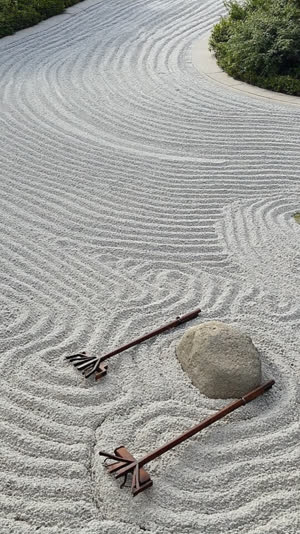
Perfection is maintenance, repeated forever
Perfection here is maintenance — repeated forever.
The series thesis, inverted. Other gardens here compose nature and then let it move; this one composes it and then holds it, and the holding is what is being displayed.
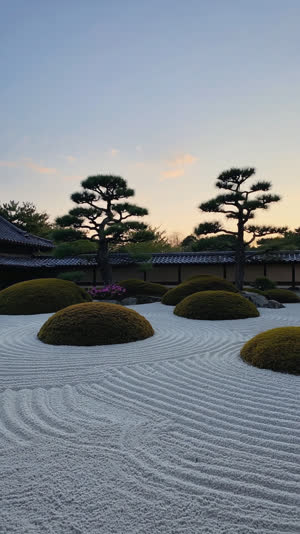
Read daily. Rewritten daily.
A garden is read daily — and rewritten daily by its keepers.
The gardeners are the authors of what you see on the day you see it. The composition is old; the state it is in was produced this morning.
The thread through Gardens
Japan does not impose a garden on nature. It compresses nature until you can read it.
Next: five hundred workers, tying ropes before the snow.
Sources — primary only
Original Japanese source note
足立美術館(島根県安来市)=米誌「ジャーナル・オブ・ジャパニーズ・ガーデニング」ランキングで2003年開始以来23年連続日本一(公式2025年発表・しまね観光ナビ)。専属庭師7人・365日手入れ・毎朝開館前に清掃。「生きた額絵」=窓枠で庭を絵として見せる公式の見せ方