Why does Japan have a national fungus?
Why did Japan name a national fungus?
The short answer
On October 12, 2006 the Brewing Society of Japan named koji mold — Aspergillus oryzae — the national fungus of Japan, with the name partly revised in 2015. Naming it recognized how completely one mold shaped the food of a hot, humid island: sake, miso, soy sauce, mirin and vinegar all begin with it.
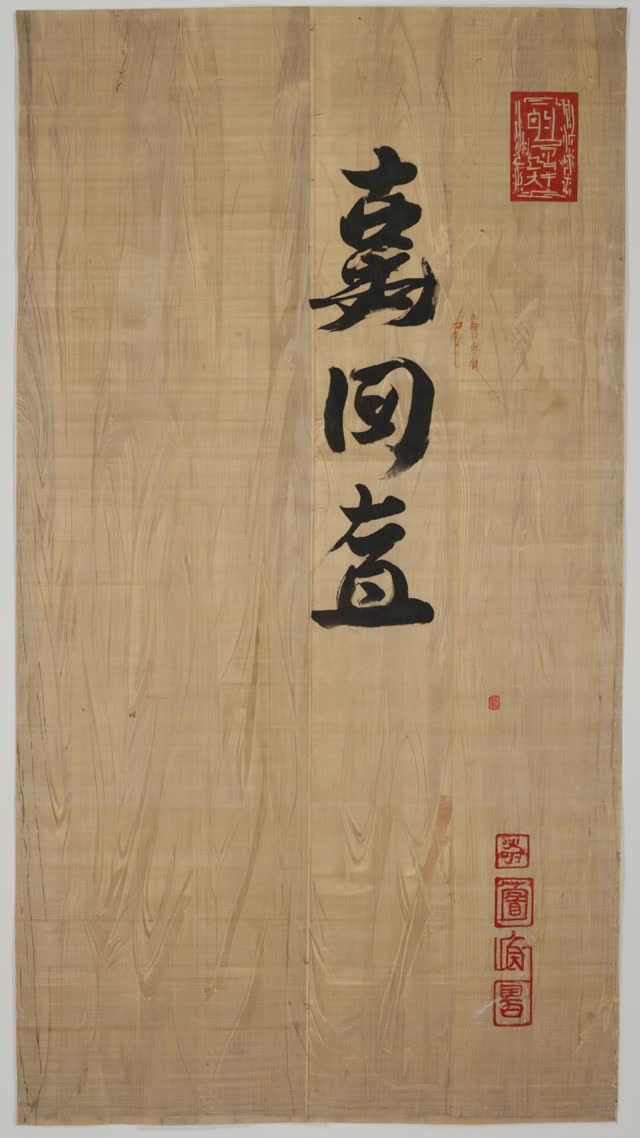
Japan Has a National Fungus
Japan may be the only country with an officially named national fungus.
On October 12, 2006, the Brewing Society of Japan named koji mold — Aspergillus oryzae — the national fungus of Japan, with the name partly revised in 2015. This single mold stands behind sake, miso, soy sauce, mirin and vinegar, and it explains how a hot, humid island became a fermentation superpower.
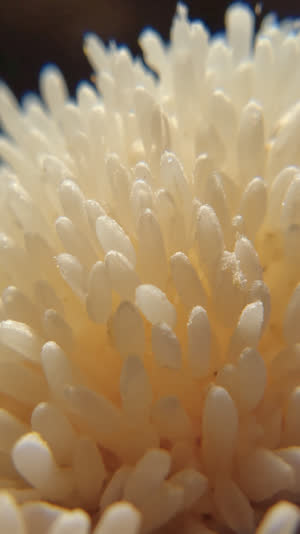
A mold with a title
This mold has a national title.
Countries name birds, flowers and trees. A fungus is a stranger choice, and the body that made the designation was a society of brewing scientists rather than a ministry — which tells you where the mold actually matters.
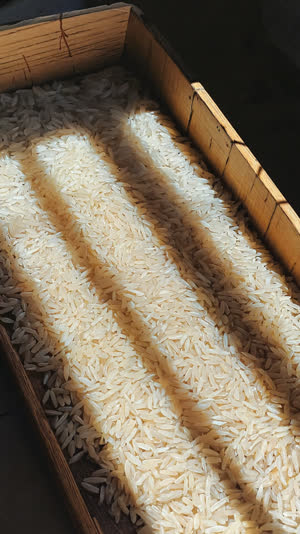
It's this powder
It's this powder — green spores, dusted onto steamed rice.
Nothing about this is accidental. The spores are applied to the grain on purpose, at a chosen moment, which is what separates a Japanese fermentation from food simply going off.
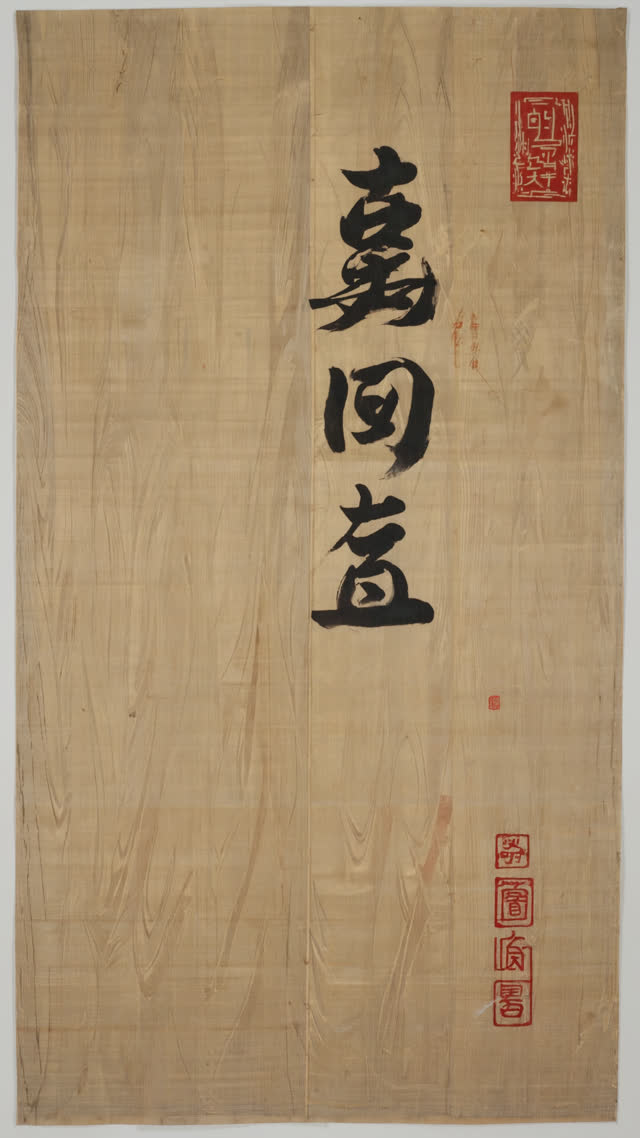
Sake, miso, soy sauce
One mold stands behind sake, miso, soy sauce and vinegar.
That list is not a coincidence of taste but of chemistry. Each of those products needs starch broken down before anything else can happen, and the same organism performs that first step in all of them.
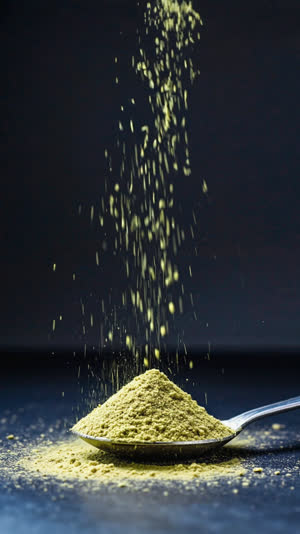
Aspergillus oryzae, yellow koji
Its name is koji mold: Aspergillus oryzae.
The name is a specific organism, not a category. Japan did not domesticate mold in general; it settled on one identified strain, which is why the designation could be revised in 2015 when the naming changed.
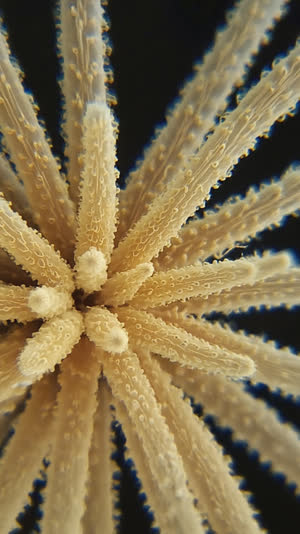
Made official by brewing scientists
The Brewing Society of Japan named it the national fungus.
The Brewing Society of Japan is a body of brewing scientists, so the designation came from the people who work with the organism rather than from a government office. Japan's agriculture ministry documents it alongside them.
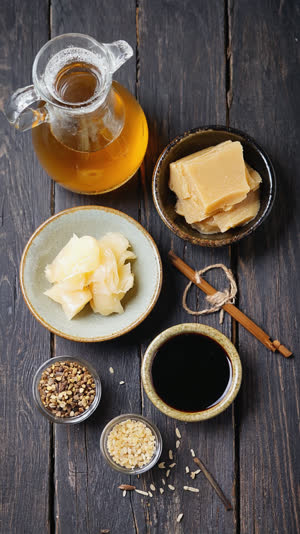
October 12, 2006
October twelfth, two thousand six — the name revised in twenty fifteen.
A dated designation is odd for something this old, since koji had been in use for centuries by then. What 2006 marks is not a discovery but a decision to put it on the record.
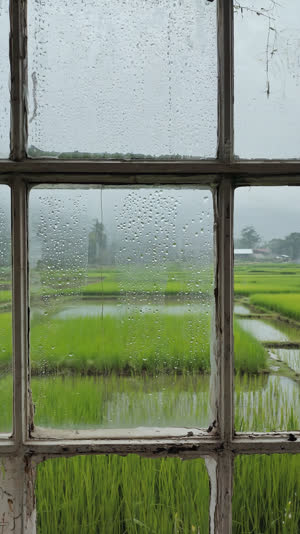
No other country has one
No other country has ever named a national fungus.
National symbols usually point outward — something to show visitors. This one points inward at a working ingredient, which is a different kind of claim: not that the mold is beautiful, but that it is foundational.
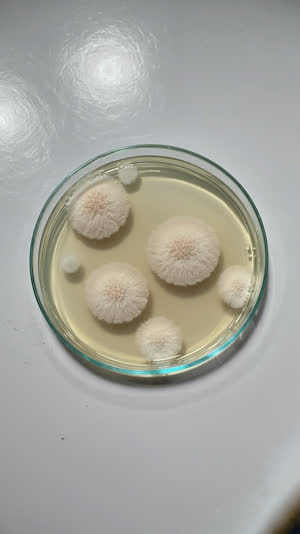
Hot, humid summers
Hot, humid summers made molds inevitable. Japan didn't fight them — it hired them.
This is the thread running through the whole series. Every cuisine in a wet climate has to answer the same question about spoilage, and Japan's answer was to select an organism and give it a job rather than seal food away from all of them.
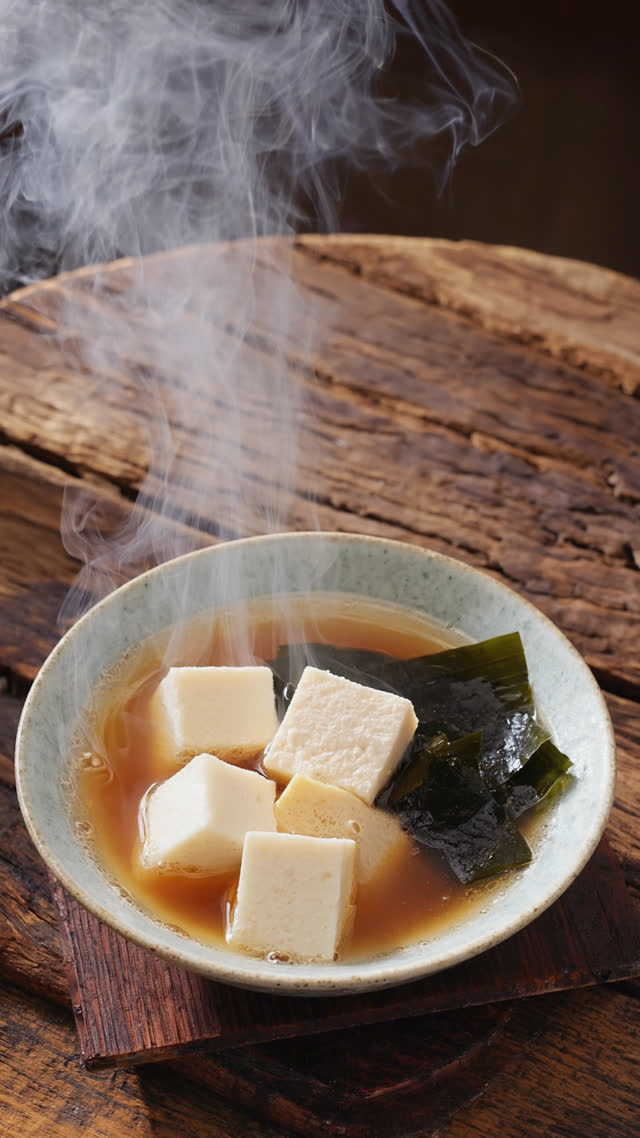
Taste it anywhere in Japan
Order miso soup anywhere in Japan — you are tasting it.
No specialist trip is required for this one. The mold with the title is in the cheapest bowl on the cheapest counter, which is rather the point of naming it.
The thread through Fermentation
Japan never fought the mold. It hired it.
But how does one mold make all of them? Next.
Japanese terms in this story
Sources — primary only
Original Japanese source note
日本醸造学会が2006年10月12日に麹菌を「国菌」認定(2015年に菌名一部改正)・対象は黄麹菌Aspergillus oryzae等(日本醸造学会・農林水産省aff)