Where did natto come from?
Nobody invented natto. So where did it come from?
The short answer
Nobody invented natto: farmers wrapped hot boiled soybeans in rice straw and the beans fermented on their own, because rice straw carries Bacillus subtilis var. natto — the natto bacterium later isolated by the scientist Makoto Sawamura. Straw-wrapped natto is still made in Ibaraki today.
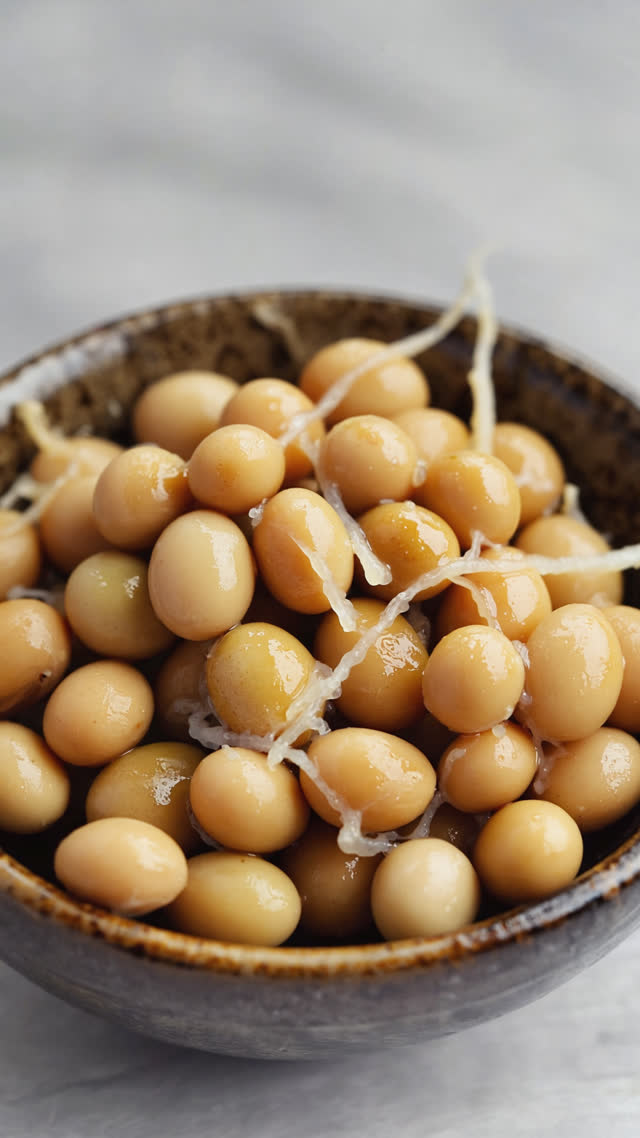
Natto Came From Rice Straw
Natto did not come from a laboratory. It came from a bundle of rice straw.
Farmers once wrapped hot boiled soybeans in straw, and the beans fermented on their own — because rice straw carries Bacillus subtilis var. natto, the natto bacterium later isolated by the scientist Makoto Sawamura. That is why straw-wrapped natto is still made in Ibaraki today.
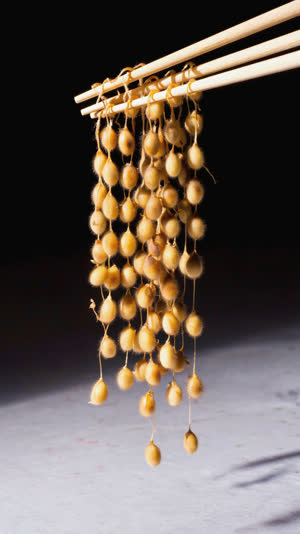
Nobody invented natto
Nobody invented natto. It just happened.
Most fermented foods have a founding story attached to a person or a temple. This one has a condition instead: put hot beans next to straw and it occurs whether anyone intended it or not.
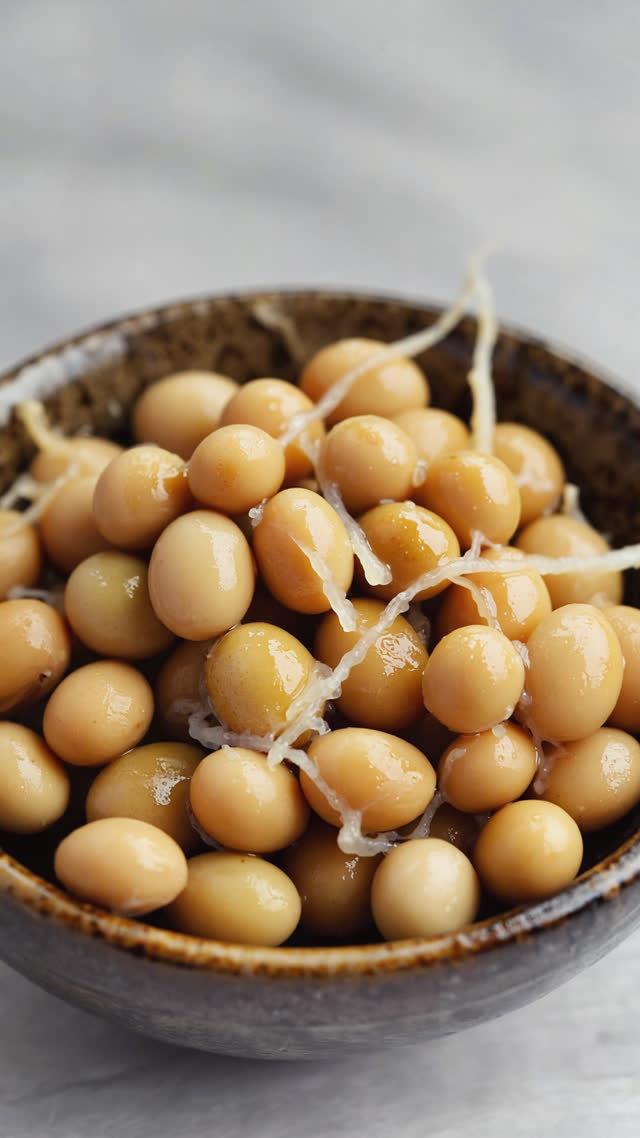
Beans that pull threads
Fermented soybeans, pulling long silver threads.
Those threads are the most divisive thing about it, and they are a by-product of the bacterium's own growth rather than anything added or mixed in.

No lab, no recipe
No lab. No starter culture. No recipe.
Every other ferment in this series begins with a decision — which mold, which grain, how long. This one begins with an accident that turned out to be repeatable, and the craft came afterwards.
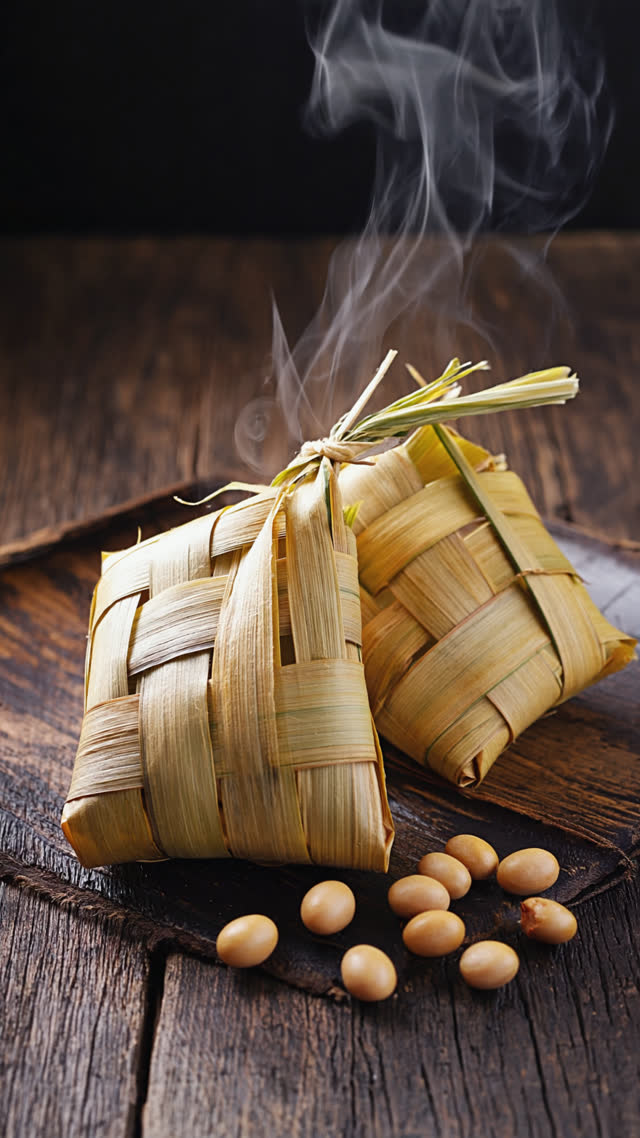
Wrapped in rice straw
Farmers wrapped hot boiled soybeans in bundles of rice straw.
The straw was packaging, not an ingredient. Wrapping cooked beans for transport is an ordinary thing to do on a rice farm, which is why the discovery could happen more than once in more than one place.
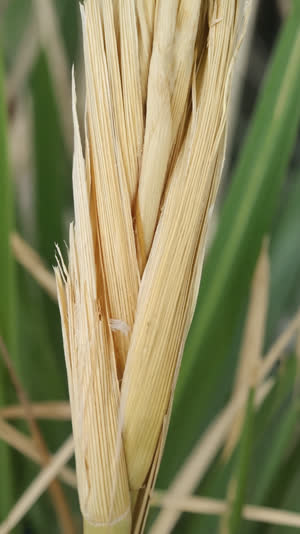
Days later, changed
Days later, the beans had changed on their own.
Heat was the trigger. Beans wrapped straight off the pot stay warm inside the bundle long enough for the bacterium to start, which is why the effect is tied to hot beans rather than cold ones.
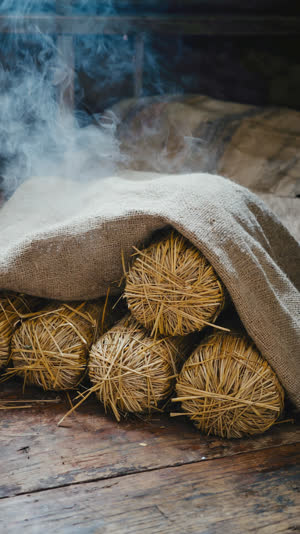
The bacterium lives in straw
Rice straw carries the bacterium: Bacillus subtilis var. natto.
It lives on the straw as a matter of course, part of the ordinary population of a rice field. Nothing was cultivated or imported; the material Japan already had lying around carried the organism.
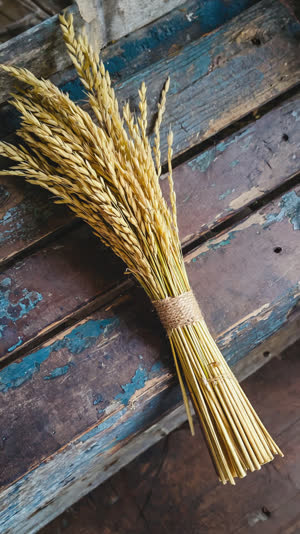
Heat, straw, and time
Nobody hired this microbe. It volunteered — heat, straw and waiting did the rest.
Here is where this sits apart from the rest of the series. Koji is chosen and applied; this arrived on its own and was then kept, which is a different relationship with the same kind of organism.
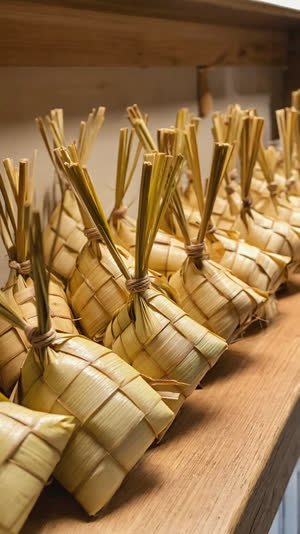
Sawamura isolated it
Scientist Makoto Sawamura later isolated it from the straw itself.
Isolating the organism is what turned a farm practice into a process. Once you can name a bacterium and grow it deliberately, the straw is no longer necessary — which is how natto became something a factory can make.
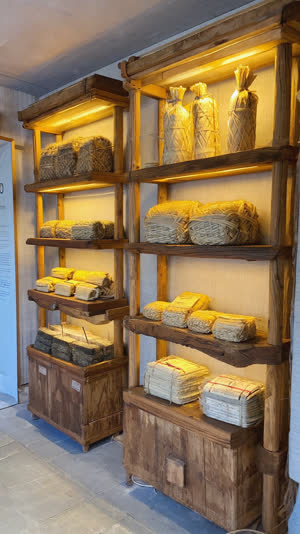
Straw natto survives
Straw-wrapped natto is still made and sold in Ibaraki today.
The straw version survives as a choice rather than a necessity. Ibaraki is the prefecture most associated with natto, and buying it wrapped is the only way to taste the original mechanism.
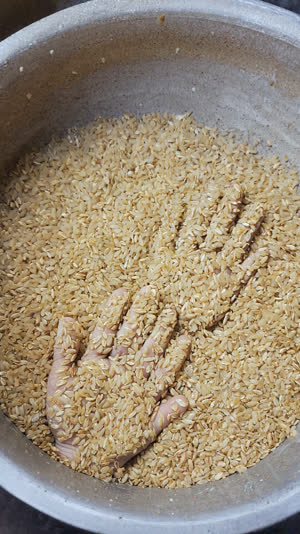
Free hall in Mito, Ibaraki
In Mito, the Natto Nandemo Exhibition Hall is free.
Mito is the capital of Ibaraki and the hall sits a short walk from the station. Free admission and no appointment make it the rare food museum you can add to a day without planning around it.
The thread through Fermentation
Japan never fought the mold. It hired it.
Next: a living bed of rice bran in the kitchen.
Japanese terms in this story
Sources — primary only
Original Japanese source note
納豆菌は枯草菌の一種Bacillus subtilis var. natto(稲わらに生息・沢村真が分離)・体験:水戸市公式が紹介する水戸天狗納豆 笹沼五郎商店の「納豆なんでも展示館」(水戸市三の丸・水戸駅徒歩約10分・見学無料)(水戸市)