Who still makes the wooden barrels for Japanese soy sauce?
Who still builds Japan's soy sauce barrels?
The short answer
Wooden-barrel brewing accounts for under 1% of Japan's soy sauce, and only one workshop still builds the barrels. In autumn 2011 Yamaroku Soy Sauce on Shodoshima set out to revive the craft and learned to build them itself, and in September 2021 Sanuki's soy sauce brewing techniques became a nationally registered cultural property.
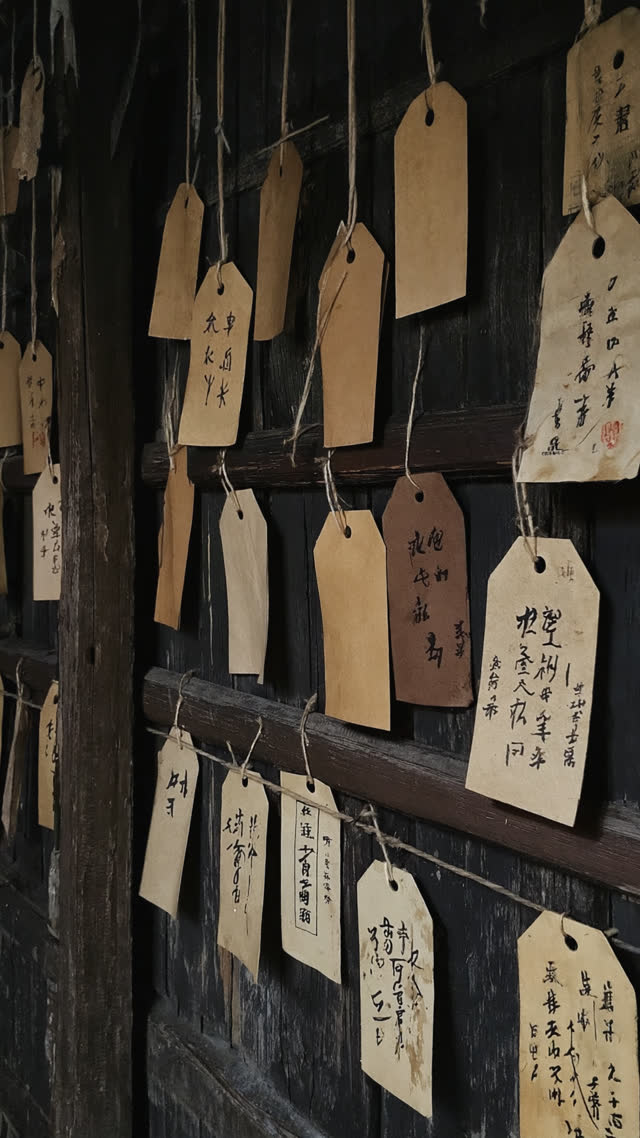
Japan Has One Barrel Maker
Almost all Japanese soy sauce is now brewed in steel; the wooden barrels are nearly gone.
Wooden-barrel brewing is under 1% of Japan's soy sauce, and only one workshop still builds the barrels. In autumn 2011, Yamaroku Soy Sauce on Shodoshima set out to revive the craft, learning to build them itself. In September 2021, Sanuki's soy sauce brewing techniques became a nationally registered cultural property.
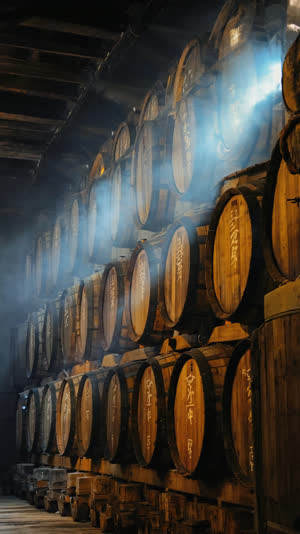
Who still builds these?
How many people still build these?
The barrels in question stand taller than a person. Building one is a trade of its own, separate from brewing, and it is the building trade rather than the brewing that nearly disappeared.
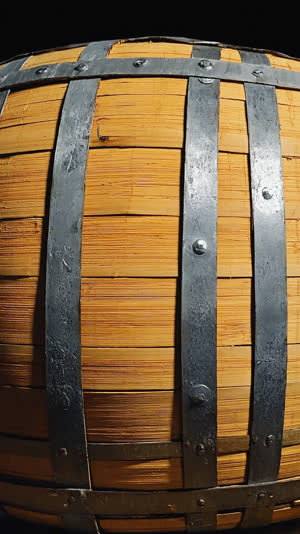
Under 1% made in wood
Under one percent of Japan's soy sauce ages in wood.
That share is small enough that most people in Japan have never tasted it either. This is not a national tradition in decline so much as a technique that had already become a specialty.
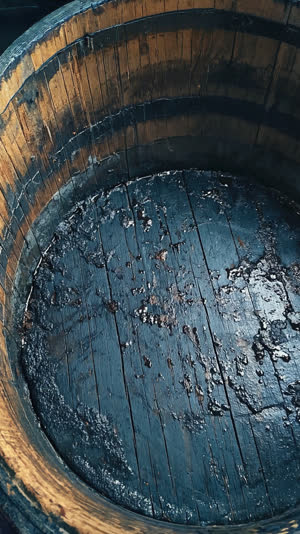
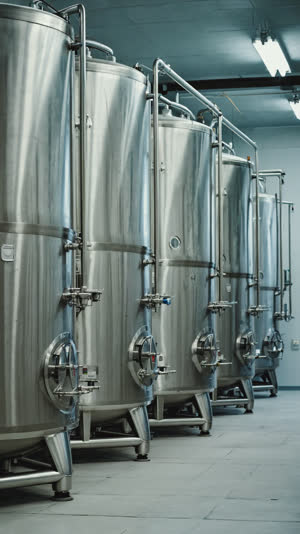
The rest is steel
Everything else ferments in steel.
Steel tanks are easier to clean, easier to control and easier to replace. Nothing about the switch was careless; it was the rational choice for anyone brewing at scale.
Aged in cedar barrels
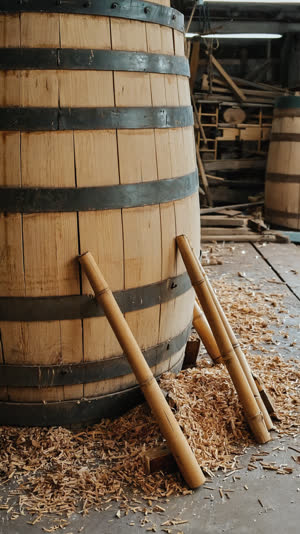
For centuries, soy sauce aged inside giant cedar barrels.
Cedar was chosen because it can be worked into staves that hold liquid for decades without glue or metal. A vessel that lasts that long stops being equipment and starts being part of the recipe.
Microbes live in the wood
Microbes live in the wood itself — partners, not pests, shaping each brewery's flavor.
This is the logic of koji, one step further. A steel tank is sterile by design, so a barrel's population cannot be bought or installed — it accumulates, which means a brewery that loses its barrels loses its own microbes.
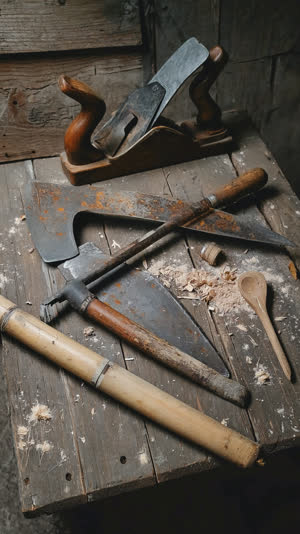
Only one workshop remains
Steel was cheaper and faster. Only one workshop still builds them.
A single remaining workshop is what makes this urgent. When one supplier holds a technique, its closure ends the technique — not for one brewery but for everyone who might ever want a barrel.
Autumn 2011: one brewery acted
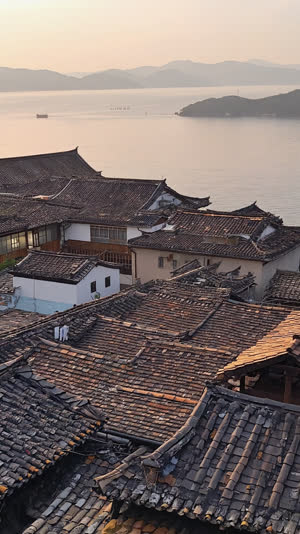
In autumn two thousand eleven, one Shodoshima brewery acted.
Shodoshima is a small island in the Inland Sea with a long soy sauce district. The decision came from a brewery rather than from a ministry or a preservation body, which is why it took the form of learning a trade instead of funding one.
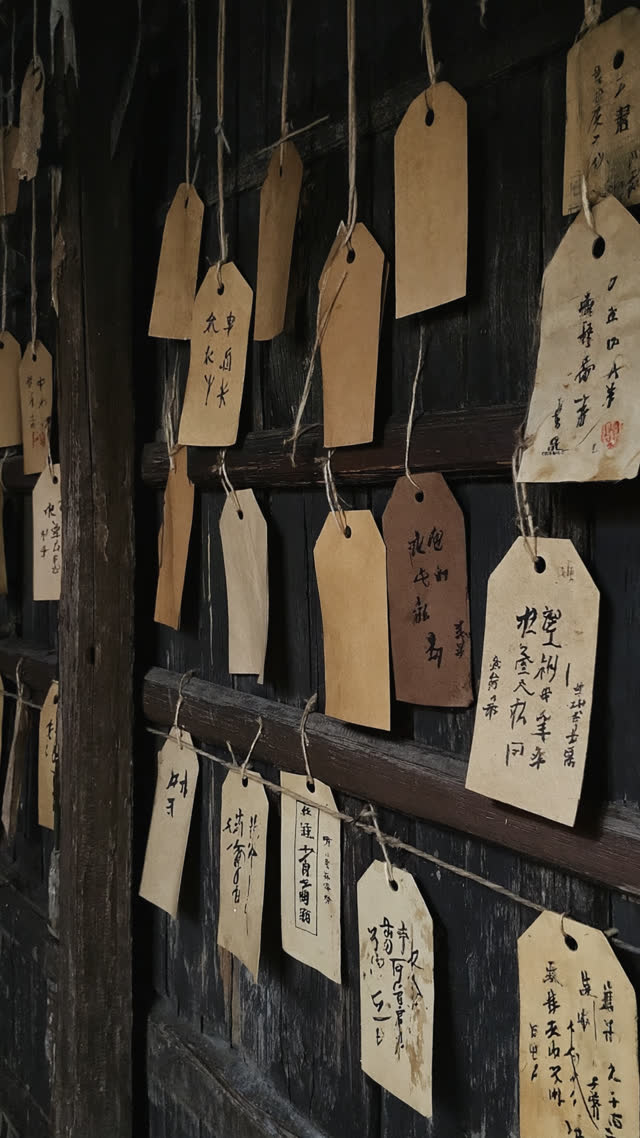
Yamaroku learned to build them
Yamaroku Soy Sauce went and learned to build barrels themselves.
Building the barrels means the brewery now depends on nobody for them. It also means the staff carry two trades at once, which is how the coopering skill gets passed on at all.
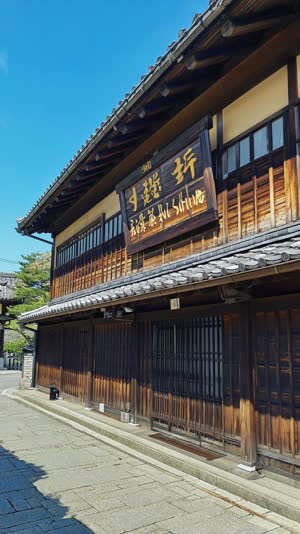
Nationally registered, 2021
In September two thousand twenty-one, Sanuki's brewing craft was nationally registered.
Registration preserves nothing by itself. What it does is put a technique on a national list, which changes how a local craft is described, funded and taught from that point on.
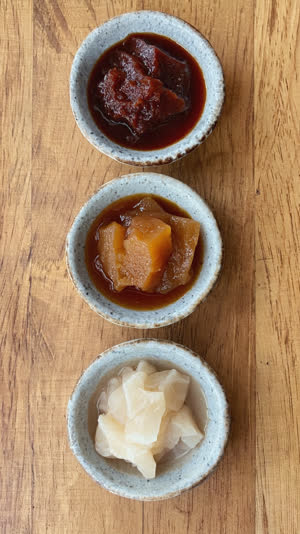
Marukin Museum, Shodoshima
On Shodoshima, Marukin's museum lets you press moromi yourself.
Moromi is the fermenting mash, and pressing it is the step that separates liquid soy sauce from the solids. Doing it by hand is the shortest way to understand why the wood the mash sat in matters.
The thread through Fermentation
Japan never fought the mold. It hired it.
Why is miso black in Nagoya, pale in Kyoto? Next.
Japanese terms in this story
Sources — primary only
Original Japanese source note
ヤマロク醤油(香川県小豆島)が2011年秋に木桶職人復活プロジェクト開始・木桶天然醸造は全体の1%以下・醸造用木桶を作る桶屋は1社のみ・讃岐の醤油醸造技術は2021年9月国登録無形民俗文化財・体験:醤の郷のマルキン醤油記念館で見学ともろみ絞り体験(ヤマロク醤油・小豆島町)