What can sake do that wine and beer cannot?
What can sake do that wine cannot?
The short answer
Sake ferments twice at the same time: koji turns rice starch into sugar while yeast is already eating that sugar. Gekkeikan calls this parallel multiple fermentation — grapes already hold sugar so wine yeast simply eats it, and beer converts starch to sugar first, then ferments.
Two Fermentations, One Tank
Wine can't do it. Beer can't do it. Only sake ferments twice at the same time.
Grapes already contain sugar, so wine yeast simply eats it. Beer converts starch to sugar first, then ferments. In a sake tank, koji turns rice starch into sugar while yeast is already eating it — Gekkeikan calls this parallel multiple fermentation, unique to sake.

Only sake does this
Wine can't do this. Beer can't.
The comparison is not about strength or taste but about sequence. Every brewed drink has to get sugar from somewhere before yeast can work, and the order in which that happens is what separates them.
Two jobs, one tank
This tank is doing two jobs at once.
In a brewery elsewhere those two jobs would occupy two vessels and two stages. Here they share the same liquid at the same moment, which means the two organisms have to tolerate each other's conditions.
Sugar made and eaten
Koji makes sugar; yeast eats it the same second.
Because the sugar never accumulates, the yeast is fed at a steady rate rather than all at once. The two microbes end up working to each other's pace inside a single vessel.
Grapes already hold sugar
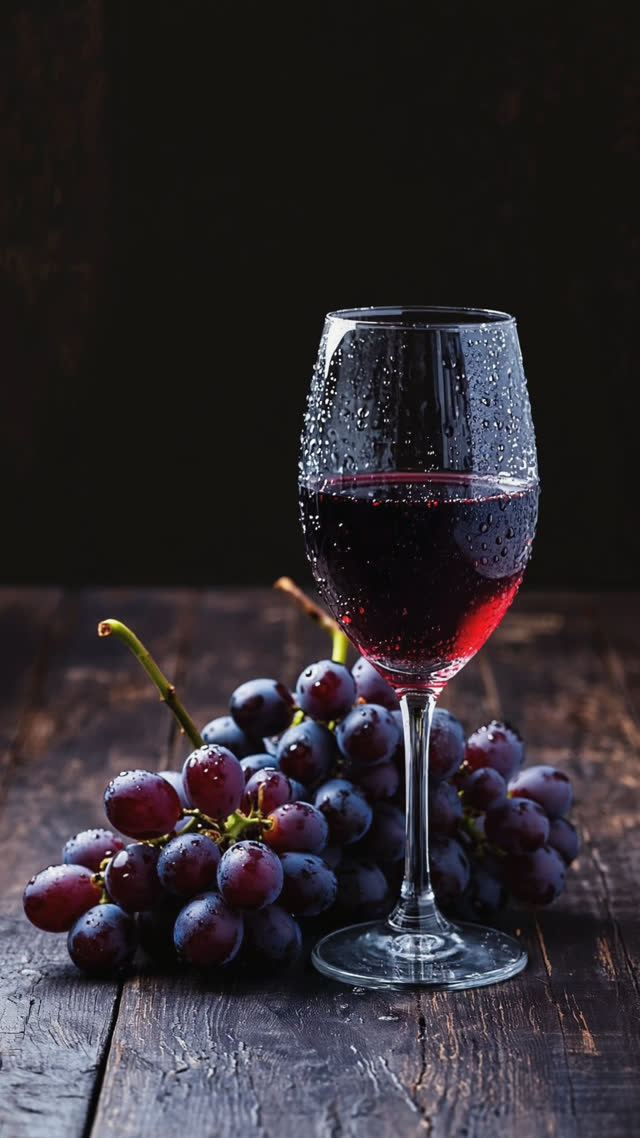
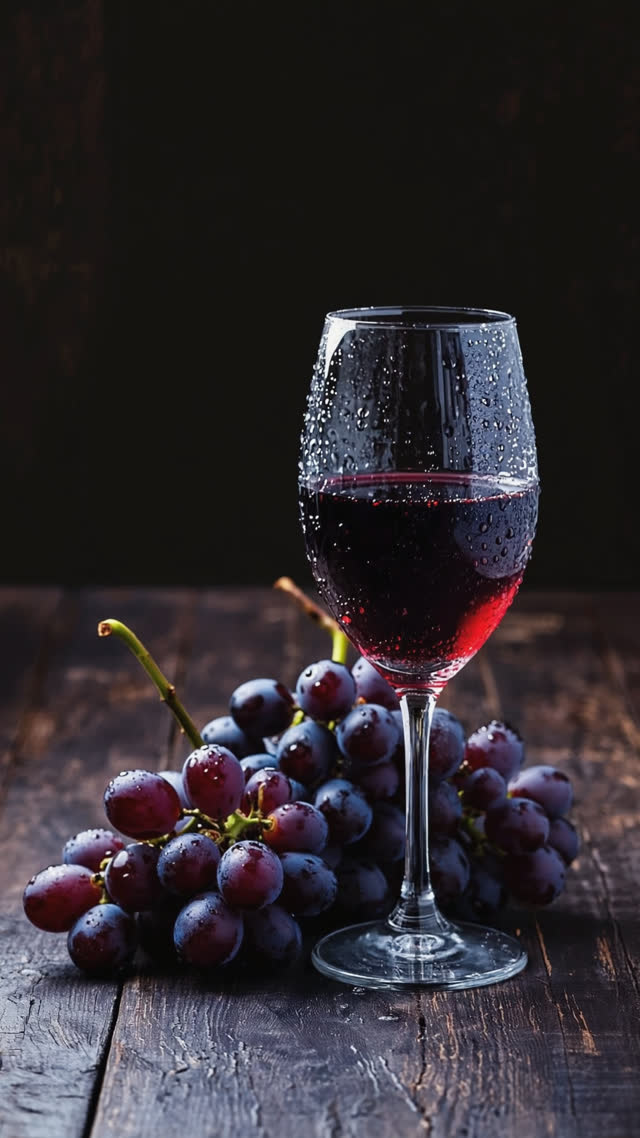
Grapes already hold sugar — wine yeast simply eats it.
Wine needs no equivalent of koji because the fruit has done that work already. A winemaker's decisions start after the sugar exists, which is a shorter chain than a rice brewer has to manage.
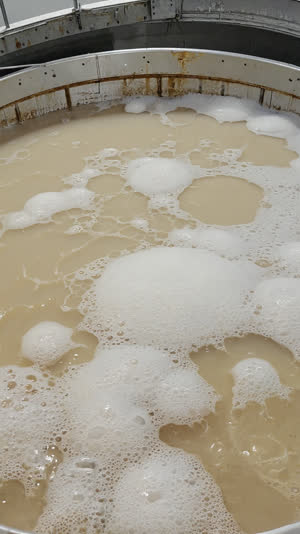
Beer: two separate steps
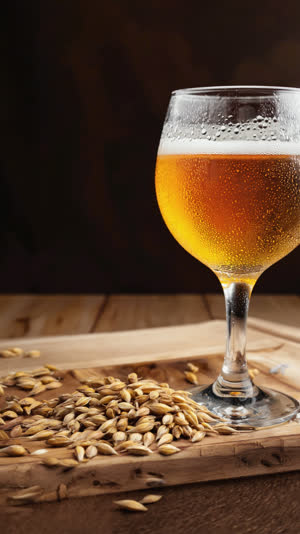
Beer converts starch first, then ferments. Two separate steps.
Beer faces the same problem and solves it in order — malting and mashing free the sugar, then the yeast goes in. Both approaches work; only one puts the two processes in the same vessel.
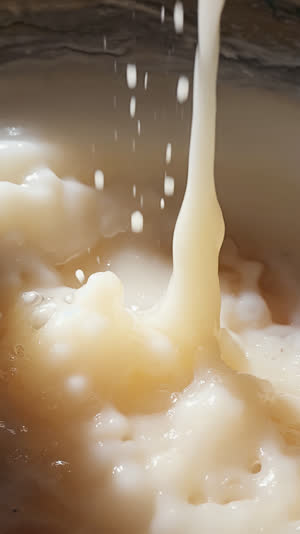
Rice holds starch
Rice holds starch too. But sake never separates them.
Rice arrives with its sugar locked up, exactly as barley does. The Japanese answer was not to unlock it first but to let the unlocking and the fermenting run together, which is the whole trick.

Parallel multiple fermentation
Parallel multiple fermentation — unique to sake: two hired microbes working as one.
The term is descriptive rather than poetic: parallel because the two conversions overlap, multiple because there is more than one of them. Gekkeikan uses it for exactly this arrangement.
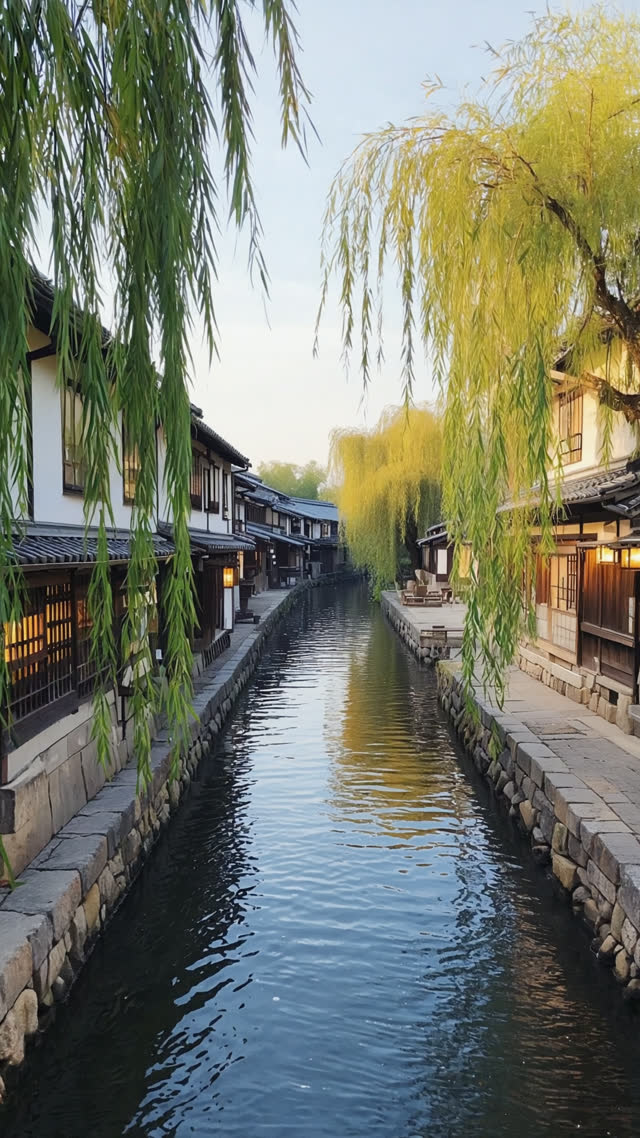
Gekkeikan Okura Museum, Kyoto
In Fushimi, Kyoto: Gekkeikan Okura Museum, six hundred yen, three tastings.
Fushimi is a brewing district rather than a single site, so the museum sits among working breweries. The tasting is the useful part — enough cups to notice that the process has a range rather than one flavor.
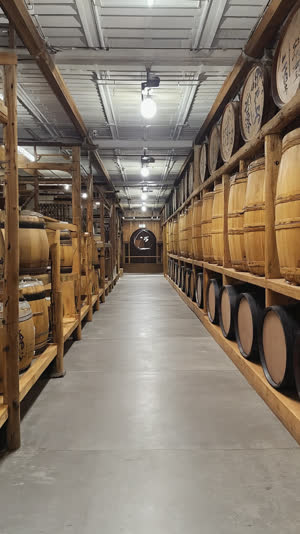
Nada, Kobe: free tastings
Or Nada, Kobe — free. Knowing this changes every sip.
Nada is the other major brewing district, and several of its museums charge nothing at all. Either way, the thing to taste for is dryness against sweetness, the balance the two microbes were negotiating in the tank.
The thread through Fermentation
Japan never fought the mold. It hired it.
Soy sauce has a quieter crisis — its wooden barrels.
Japanese terms in this story
Sources — primary only
Original Japanese source note
糖化と発酵が同一タンクで同時進行する並行複発酵は日本酒独自(月桂冠公式)・体験:京都伏見の月桂冠大倉記念館(入館600円・きき酒3種)/神戸灘の白鶴酒造資料館・菊正宗酒造記念館(入館無料・試飲可)