The short answer
Bon Odori is Japan's summer circle dance, performed during Obon to welcome ancestors' spirits home and send them off — and anyone may join, so there are no spectators. In November 2022 UNESCO inscribed 41 of these dances, Gujo Odori among them, as “Furyu-odori” heritage.
The Dance With No Audience
At Japan's summer dance festivals, no one just watches.
Bon Odori is danced during Obon to welcome the ancestors' spirits home and send them off. It grew from the monk Kuya's nembutsu dance, spread by Ippen in the Kamakura era. In November 2022, UNESCO inscribed 41 of these dances — Gujo Odori included — as "Furyu-odori" heritage.
A festival with no audience
This festival has no audience.
Most festivals separate performers from spectators with a stage, a route or a rope. This one has a ring, and standing outside it is the only way to get it wrong.
This is Bon Odori
It's Bon Odori — Japan's circle dance on summer nights.
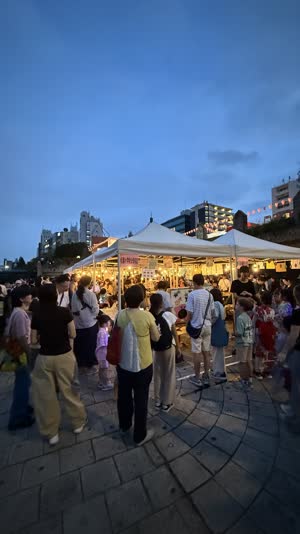
It happens in neighborhood squares, temple grounds and school yards as readily as at the famous events. The named festivals are the exception rather than the form.
A circle around the tower
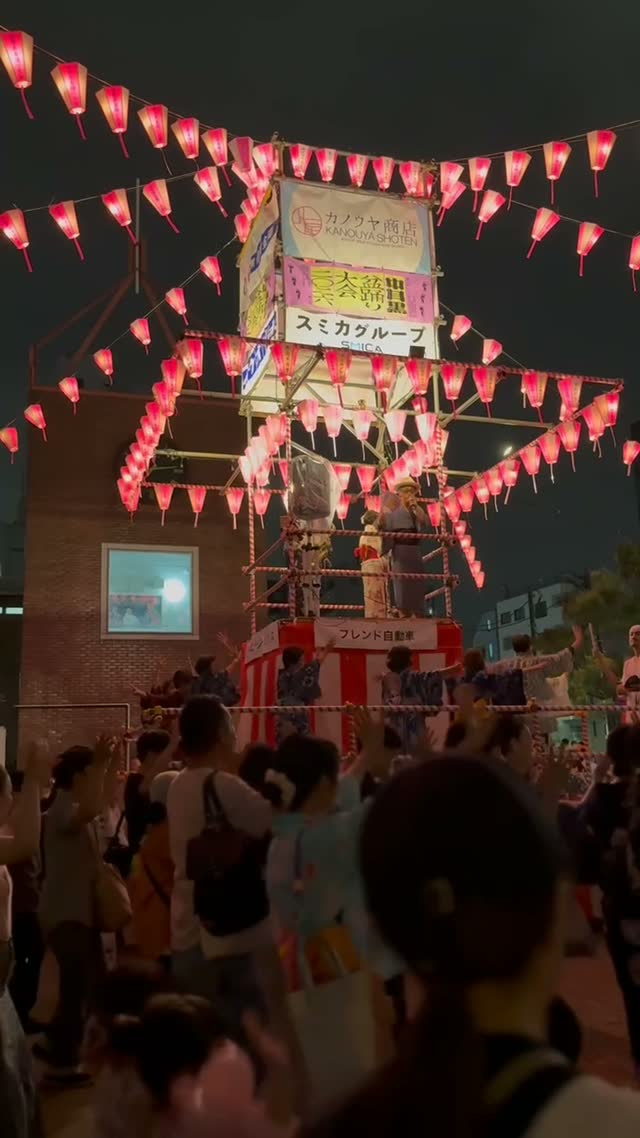
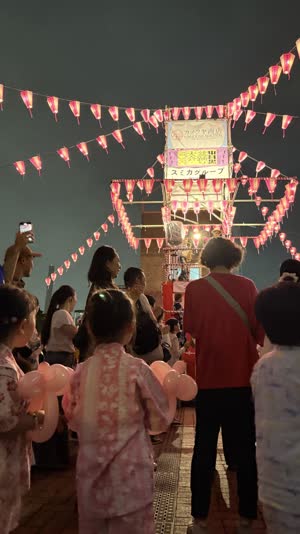
Around a wooden tower, hundreds move in one slow ring.
The tower holds the musicians and the drum, and the ring forms around it because that is where the beat is. That is all the organization the dance requires.
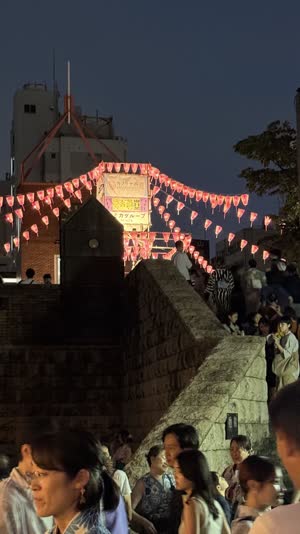
Welcoming the ancestors home
It welcomes the ancestors' spirits home for Obon, then sends them off.
Both halves are the point. This is not a summer celebration with a religious veneer — the dancing does a specific job at a specific time, and it is done for people who are not there.
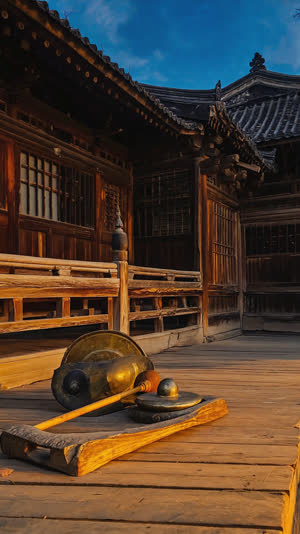
Since the Kamakura era
It began as Kuya's nembutsu dance, spread by Ippen — Kamakura era.
The Japan Arts Council traces it to a Buddhist practice of dancing while chanting. That origin explains the form: a circle with a repeating step is what you get when the movement is a prayer rather than a performance.

41 dances, UNESCO listed
In November 2022, UNESCO inscribed 41 of these dances as "Furyu-odori".
Forty-one at once, rather than one representative example. The listing treats the whole family of local dances as the heritage, which matches what the practice actually is.
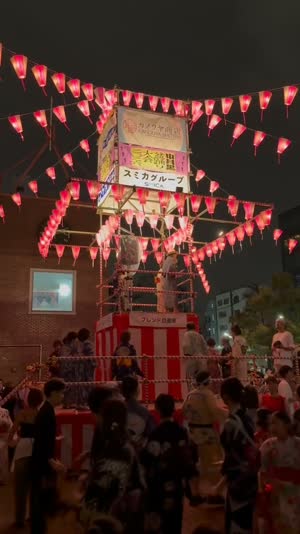
The circle is open to anyone
Bon Odori has no audience — the circle is open to anyone.
Open means genuinely open: no ticket, no registration and no competence required. The steps repeat until you have them, which is the design that makes joining possible mid-song.
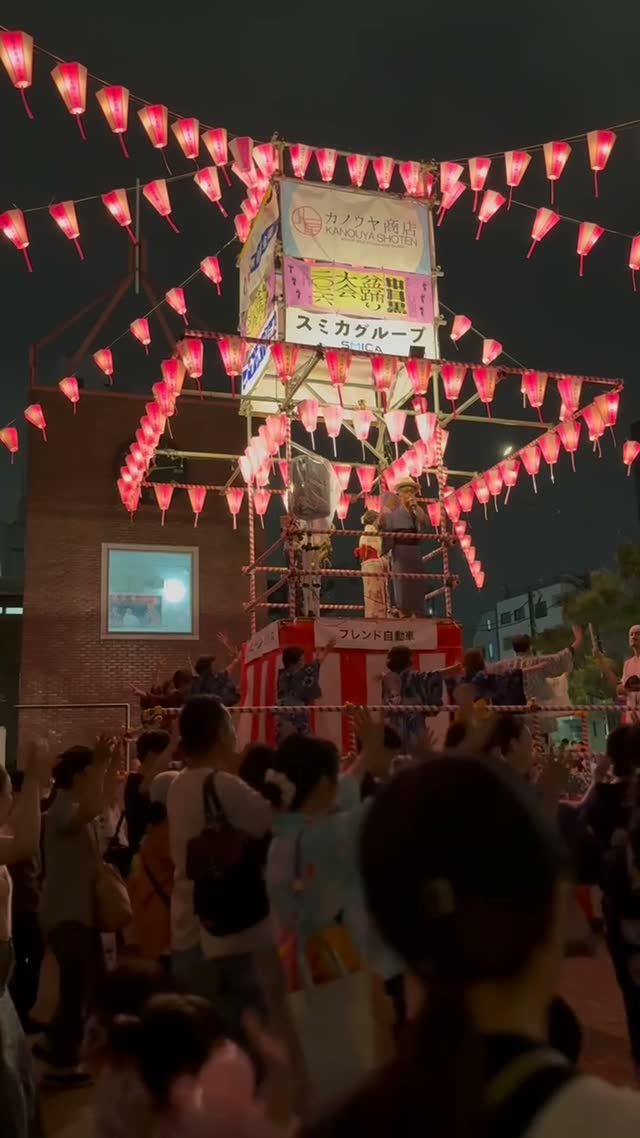
The circle turns
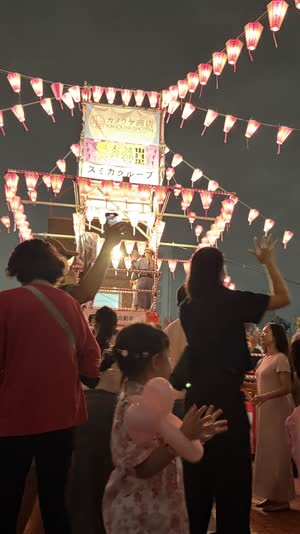
Yukata sleeves swing, lantern light spills, and the great ring turns.
A yukata is the light cotton summer kimono, and it is common at these events without being required. Nobody is checked at the edge of the circle for what they are wearing.
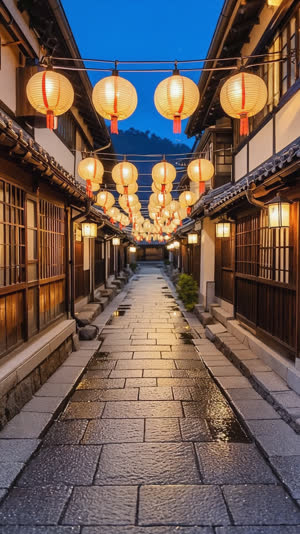
Gujo Odori Gujo-Hachiman, Gifu
Gujo Odori in Gujo-Hachiman, Gifu: thirty-plus nights, till dawn mid-August.
A month of nights in one summer is a season rather than an event, and the mid-August nights run until morning. This is one of the dances named in the UNESCO listing.
The thread through Bon Odori
A festival with no audience. Step into the circle and you are the festival.
Now you know who the circle welcomes — every step means more. At Tokushima's Awa Odori, anyone joins free — step into the circle.
Japanese terms in this story
Sources — primary only
Original Japanese source note
祖先の霊を迎え供養し送り出す踊り(空也の踊念仏を鎌倉時代に一遍が広めた・日本芸術文化振興会)・2022年11月30日「風流踊」としてユネスコ無形文化遺産登録(全国41件・郡上踊を含む・文化庁)・体験:郡上おどり(岐阜県郡上市)は7月中旬〜9月上旬の30夜以上・8月13〜16日は徹夜おどり・観光客も自由に輪に入れる(郡上八幡観光協会公式)・徳島の阿波おどりは予約不要無料の「にわか連」で飛び入り参加可(徳島県観光協会)